
Cracóvia
Aparthotel Cracovia Residence
R$1,877 / night

Destination
Discover Kraków, the historical jewel of southern Poland. Walk through medieval streets filled with culture and art on an unforgettable trip.
Cracóvia · Brasil
Photos
Discover the landscapes and culture of Kraków


Editorial guide with history, culture, and practical tips to plan your trip.
Kraków is a historically and culturally rich destination nestled in the southern region of Poland. Located specifically within the Lesser Poland Voivodeship (Małopolska), the city not only holds a strategic geographical position but also bears the title of being one of the oldest settlements in the entire Polish nation. It is consistently recognized as the country's second largest metropolis, consolidating its importance in terms of population and economy.
In concrete numbers, Kraków covers an area of 326.85 square kilometers. According to the most recent census records from 2019, the city housed a robust population, totaling approximately 774,839 inhabitants. This data reflects not only urban growth but also high population density in the region, reaching an estimated density of 2,370.6 inhabitants/km². These statistics demonstrate that Kraków is a vital center of life and development for southern Poland.
Kraków's historical trajectory is marked by royal significance and millennia of resilience. More than just a city, it was a fundamental political epicenter for the Crown of Poland throughout the centuries. Its history is not merely ancient; it is deeply linked to the formation narrative of the country itself.
During various crucial eras, Kraków held the supreme role of Polish capital. This status was occupied in notable periods such as 1039–1079 and again between 1138 and 1290. Once more, its power centralized in the city during the period that spanned from 1296 to 1596. Furthermore, Kraków was recognized as the primary location for the coronations of Polish kings and maintained a crucial residential role for monarchs until the biennium between 1609 and 1611. This sequence of roles—administrative capital, stage for coronations, and royal residence—solidifies its historical importance, making it one of Poland's oldest and most politically significant cities.
Kraków's culture is a living mosaic reflecting millennia of history and the constant influence of its regal past. Although the provided facts focus on numbers and dates, it is undeniable that the city's cultural heart lies in the preservation of this historical memory. The way it developed as a real political center resulted in a rich architectural and social tapestry.
The cultural atmosphere permeates the streets, where every stone seems to tell the story of the kings and dynasties who lived there. This deep connection with the monarchical past inspires artistic manifestations, culinary traditions, and a strong sense of local identity. The experience in Kraków is therefore a cultural immersion in a context where the grandeur of royal power transforms into the everyday beauty of urban life, keeping alive the legacy of its historical functions.
Located in the heart of southern Poland and belonging to the Lesser Poland Voivodeship, Kraków enjoys a privileged geographical location. Its urban layout is notably defined by the presence of a vital waterway: the Vistula River (Wisła). The city not only borders but spans both banks of this important river.
In broader geographical terms, Kraków is situated in an area that belongs to the foothill mountain region near the Carpathians. This combination of fluvial location (along the Vistula) and proximity to mountain ranges grants the surrounding landscape distinct natural characteristics. The city established itself at a point where the river's natural power meets the grandeur of the relief, creating a diverse geographical setting that contributes to its tourist appeal.
It is important to note that the factual data provided about Kraków does not detail specific meteorological information. However, geographically located in southern Poland and near the Carpathians, the city typically experiences a temperate continental climate. This implies significant seasonal variation: summers are generally warm and mild, contrasting with colder winters.
The beauty of visiting Kraków is that it manages to preserve its historical charm under various climatic conditions. Visitors should be prepared for seasonal transitions marked by Polish weather, which enriches the experience and allows appreciation of different facets of architecture and local life throughout the year.
For lovers of history and culture, Kraków is an incomparable destination. Its tourist appeal is intrinsically linked to its vast and rich historical tapestry. As one of Poland's oldest cities and having been the center of royal power in multiple historical periods—from king coronations to serving as a royal residence—every corner has a story to tell.
Tourism in Kraków invites visitors not only to explore monuments but also a deep sense of history. The presence of the Vistula River and its natural beauty complement the city's historic cores, offering walks that combine landscape contemplation with European-level architectural exploration. It is an ideal destination for those seeking a trip that combines the vibrant pace of a large metropolis with the serenity of a preserved historical setting.
Kraków is more than just Poland's second-largest city; it carries in its name and urban structure the memory of centuries of power. It is a remarkable feat how an area covering 326.85 km² managed to sustain such population growth—reaching nearly 775,000 inhabitants in the 2019 census—while simultaneously preserving its historic core and ancient identity.
The fact that it served as capital during multiple eras (1039-1079, 1138-1290, etc.) gives it a unique historical complexity. It was the main stage for Polish royal ceremonies, acting as the site of coronations and residences for kings over long stretches of time. These multiple historical functions solidify its reputation not only as a major urban center but also as a cultural pillar that has resisted the changes of the centuries, remaining on the majestic banks of the Vistula River.
Everything you need to know to plan your trip
Reference figures to help plan your trip
Hotels in the area
448
Attractions
9
448 properties in the area
68 travelers searched Cracovia this week
10 stays booked in Cracovia in the last 7 days
Cracóvia
R$1,877 / night

Cracóvia
R$1,397 / night
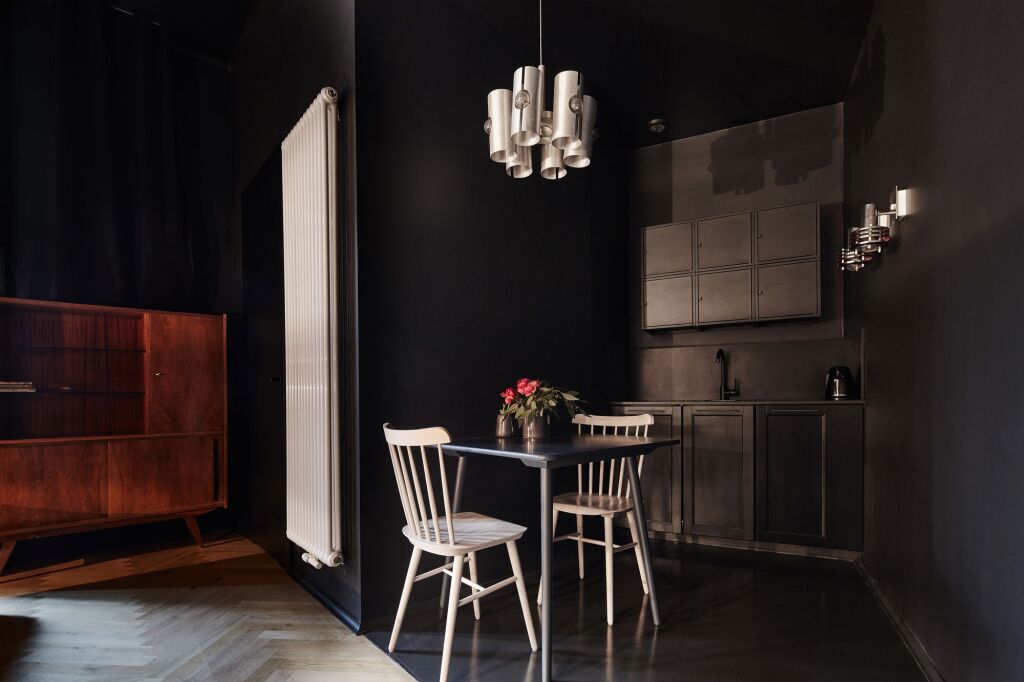
Cracóvia
R$1,469 / night

Cracóvia
R$1,485 / night

Cracóvia
R$1,047 / night

Cracóvia
R$937 / night

Cracóvia
R$1,121 / night

Cracóvia
R$1,206 / night

Cracóvia
R$1,448 / night

Cracóvia
R$1,544 / night

Cracóvia
R$1,597 / night

Cracóvia
R$968 / night
Must-sees, local secrets, experiences, and hotels — filter layers and tap the pins.
Everything you need to know to plan your trip
Get notified when hotel prices in Kraków drop. No spam.
We use your email only to send this price alert. Unsubscribe anytime.
Extend your trip to incredible destinations nearby
Still unsure? See side-by-side comparisons to decide.
We personalize every moment of your journey — from iconic landmarks to hidden cultural gems.
Available 24/7 · Personalized consultations · Local expertise
Updated on June 30, 2026 · Methodology · Authors
Sources
Testimonials
Stories from travelers who have already visited. Share your experience — your comment appears in the cards below.
Visiting Kraków exceeded all expectations. The energy of the place is contagious!
Valéria Nogueira
Family with teens
We traveled as a family and Kraków delighted kids and adults alike. Great hotel and attraction picks.
Zélia Carmo
Traveler from Goiânia
I arrived without a fixed itinerary and Kraków surprised me at every corner. So welcoming.
Bruno Carvalho
Couple from Curitiba
Stayed near downtown and walked everywhere. Kraków is even better on foot.
Elaine Coutinho
Solo traveler


