
Hallstatt (Vila)
W & S Executive Apartments - Hallstatt I
R$2,388 / night

Destination
Discover Hallstatt, an Austrian alpine jewel. Explore this UNESCO World Heritage Site famous for its lake views and rich salt mining history.
Hallstatt · Brasil
Photos
Discover the landscapes and culture of Hallstatt


Editorial guide with history, culture, and practical tips to plan your trip.
Hallstatt, a destination that seems sculpted by the Alpine legends themselves, is more than just a town; it is a portal to millennia-old civilizations. Located in the picturesque Salzkammergut region of Oberösterreich, Austria, this charming *Marktgemeinde* nestles dramatically on the shores of the majestic Hallstätter See (Hallstatt Lake). Despite its relatively contained population size—estimated at around 737 inhabitants—its cultural and historical importance far transcends its urban boundaries. The town attracts travelers not only for its incomparable lakeside charm but also because it is a crucial component of the UNESCO World Heritage Site: Hallstatt-Dachstein/Salzkammergut. This global recognition encompasses the natural beauty of the lake, the grandeur of the Dachstein, and the entire Salzkammergut area, making Hallstatt a focal point where the extraordinary encounter between untouched nature and human legacy flourishes in perfect harmony.
The official name, also found as "Hallstatt am Hallstätter See," already suggests part of its geographic charm. Since ancient times, this area has been synonymous with subterranean wealth: salt. It is the history of extracting this precious white mineral that wove the backbone of its existence and still resonates today in its preserved streets. The mere mention of Salzkammergut evokes an Alpine setting of unparalleled beauty, where every corner seems to guard a secret from immemorial times.
The historical narrative of Hallstatt is deeply linked to the discovery and exploration of salt resources found beneath the ground. It is estimated that salt mining activity in the region began at an impressive depth in time, dating back to about 1200 BC. This starting point not only established the community's economy but also determined its civilizational course for millennia. The exploitation of salt made Hallstatt a vital point on ancient and medieval trade routes.
The connection between the site and archaeological studies is particularly strong. One pillar of the region's history lies in the findings of an extensive cemetery located in an elevated area above the town. It is from these rich funerary remains that crucial data were extracted, allowing researchers to name and study a specific period of the Early Iron Age: the so-called "Hallstattzeit." This designation is not merely academic; it represents the awakening of a complex and sophisticated civilization. The discovery of these cemeteries provided a direct look into the standards of living, trade, and beliefs of the societies that flourished here thousands of years ago.
This long trajectory—from pioneering salt mining to recognition as a world heritage site—demonstrates the community's resilience. Hallstatt is not just a place visited for its beauty; it is a living museum, where every layer of history speaks of the transformative power of natural resources and human ingenuity.
Hallstatt's culture is a harmonious blend of traditional Austrian Alpine heritage and the monumental weight of its pre-historic roots. The constant presence of salt, which sustained local development since 1200 BC, permeates cultural aspects, serving as a symbol of enduring wealth and perseverance.
The UNESCO World Heritage status for Hallstatt-Dachstein/Salzkammergut is the ultimate recognition of this cultural and natural wealth. This seal not only guarantees the architectural preservation of the buildings and historic center but also values the accumulated knowledge about its traditions linked to the lake cycle, the mountains, and mining. Local culture celebrates this interconnection: legends, crafts, and even the pace of life seem dictated by the peaceful force of the Hallstätter See.
Walking through its streets, one can feel the influence of this past in every detail. The preserved architecture reflects centuries of history, while local traditions keep alive the bonds with the Alpine environment and its most valuable resource: salt. It is a culture that values memory and the sustainability of its legacy.
Geometrically, Hallstatt enjoys a privileged, yet dramatically challenging, position. The town is situated in the heart of the Salzkammergut region in Oberösterreich, Austria. Its location is defined by the prominent presence of the Hallstätter See, which not only serves as a dazzling scenic backdrop but also as a vital artery for the area's life and commerce.
The surrounding geography is spectacularly Alpine. The confluence between the vast waters of the lake and the imposing peaks of the mountains—notably the majestic Dachstein, which shares World Heritage status—lends the area an incomparable dramatic and photographic backdrop. The Salzkammergut Valley is known for its rich topography of lakes, rolling hills, and higher peaks, creating diverse scenery.
It is this specific geography that shaped human development: proximity to underground mineral resources (salt) allowed a community to thrive in a valley between mountains and water. The town's arrangement, nestled on the west side of the lake, is the direct result of centuries of adaptation to the rigorous beauty and natural challenges of this unique location in Central Europe.
Although the provided facts do not specifically detail Hallstatt’s climate patterns, its geographical location—nestled between large bodies of water (the lake) and imposing mountain ranges (Dachstein) in the heart of Salzkammergut—suggests a typically temperate Alpine climate. Climate variations are notable and dramatically influenced by the lacustrine effect.
The proximity to the Hallstätter See ensures that temperatures are often moderated, especially during colder months. However, the surrounding mountains bring significant altitude variation. This means visitors must be prepared for dynamic weather: days might start cloudy and mild near the lake, but quickly change with cool gusts or snow in the higher altitudes of adjacent areas.
This climatic combination not only enriches the tourist experience but also shapes the region's flora and fauna. The seasons are striking: summer offers vibrant colors and accessible trails; autumn provides palettes of golden tones across the lake shores; and winters transform the landscape into a magical white blanket, further emphasizing the scene's grandeur.
Hallstatt's tourist appeal is multi-dimensional, perfectly mixing natural spectacle with profound historical immersion. Its inclusion in the UNESCO World Heritage Site ensures that visitors not only admire aesthetic beauty but also connect with a cultural and natural heritage of global value.
Tourist activities are vast and varied. Historically, interest focuses on exploring archaeological remains associated with its salt mining past and the culture that gave rise to the name "Hallstatt." Tourists can delve into a period as old as 1200 BC, reliving the footsteps of prehistoric civilizations.
In terms of natural tourism, access to the Hallstätter See and Dachstein region is the main draw. It is ideal for recreational activities that utilize the Alpine setting: serene lake cruises, hikes through mountain slopes, and contemplation of the grand landscape combining lake, valley, and snowy peak in a single work of art.
Hallstatt stands as a culturally enriching travel destination, where the slow pace of alpine life invites reflection on time, history, and the resilient strength of communities that learned to live in sync with their most precious natural resources: the lake's water, the mountains, and above all, salt.
Hallstatt carries several fascinating details that enrich its identity. It is important to note first that it is often referenced by names such as "Hallstatt am Hallstätter See," indicating a strong, almost official connection to its lake and surrounding area. Furthermore, the use of the term "Marktgemeinde" in its administrative designation not only describes its municipal status but also points to a commercial center established centuries ago.
One of the most notable curiosities is the very origin of its name and its historical identity. The name derives directly from the period known as "Hallstattzeit," which is an archaeological nomenclature. This means that the historical concept itself, based on funerary findings high up in the area, was so fundamental that it gave rise to the chronological label for this part of the Iron Age in Europe.
Another curious and crucial aspect is the central, millennia-old role of salt. The mining history not only recounts Hallstatt's economic story but is also one of the longest documented industrial narratives. Since 1200 BC, this mineral has been the engine that kept this community alive in such a picturesque and historically profound location.
Living in Hallstatt means living in the epicenter of a setting where history, geology, and natural beauty intersect to create one of the most unique jewels of the Alpine world. It is the perfect meeting point between lake tranquility and the fervor of millennia of civilization.
Everything you need to know to plan your trip
Reference figures to help plan your trip
Attractions
8
Selected stays available to book
114 travelers searched Hallstatt this week
14 stays booked in Hallstatt in the last 7 days
Hallstatt (Vila)
R$2,388 / night

Hallstatt (Vila)
R$975 / night

Hallstatt (Vila)
R$928 / night
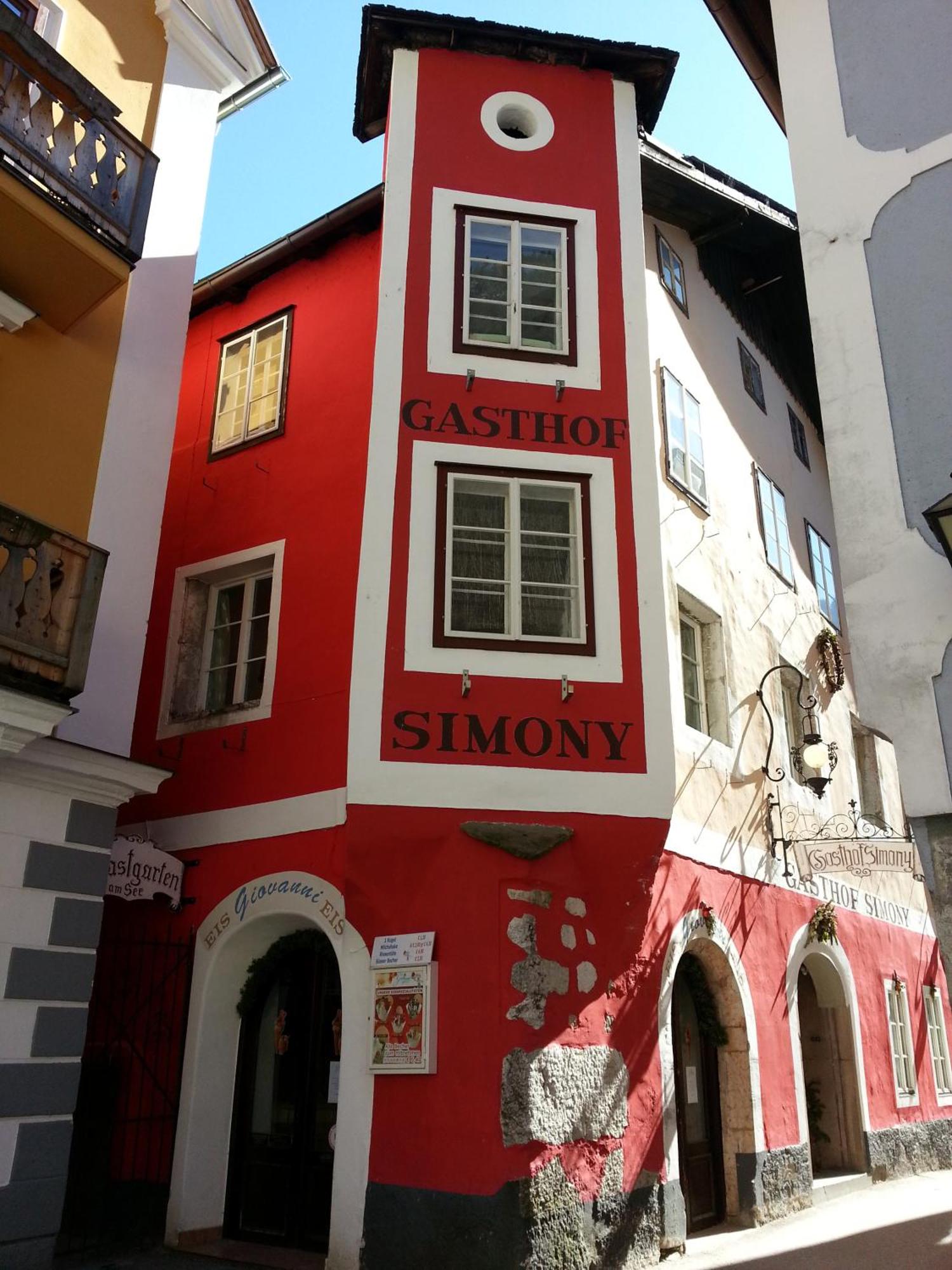
Hallstatt (Vila)
R$1,168 / night
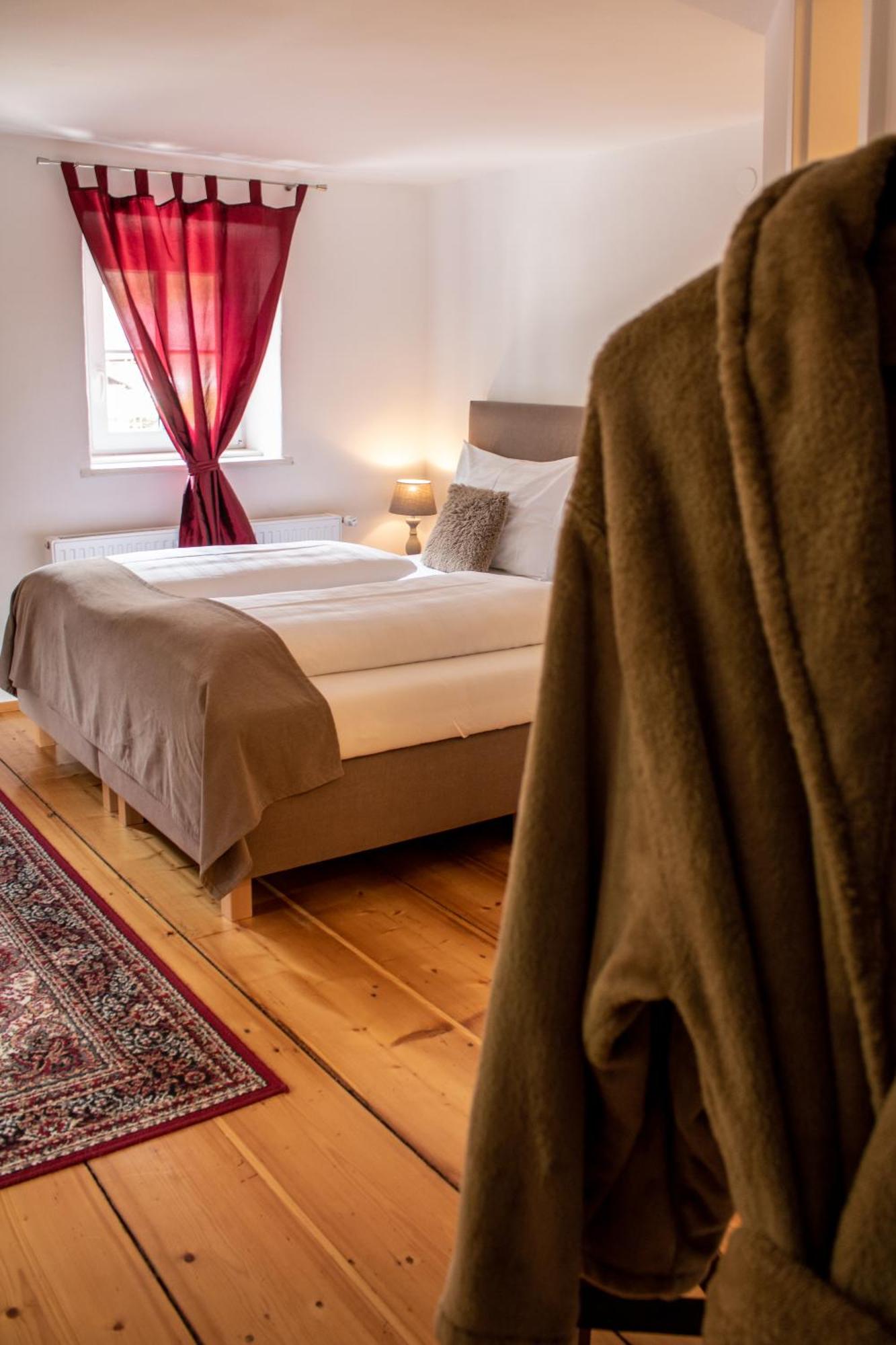
Hallstatt (Vila)
R$1,288 / night

Hallstatt (Vila)
R$1,477 / night
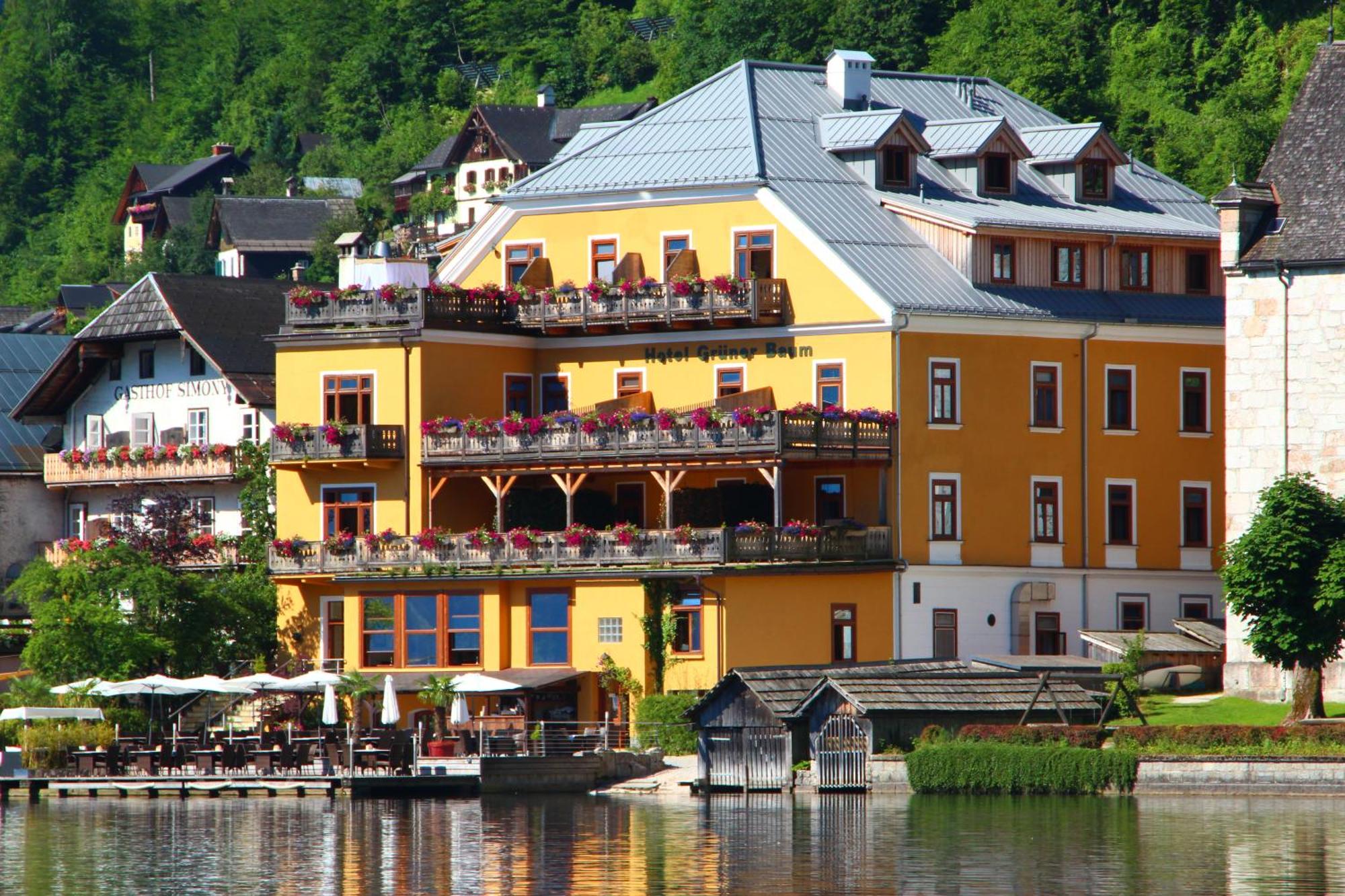
Hallstatt (Vila)
R$1,183 / night

Hallstatt (Vila)
R$1,103 / night
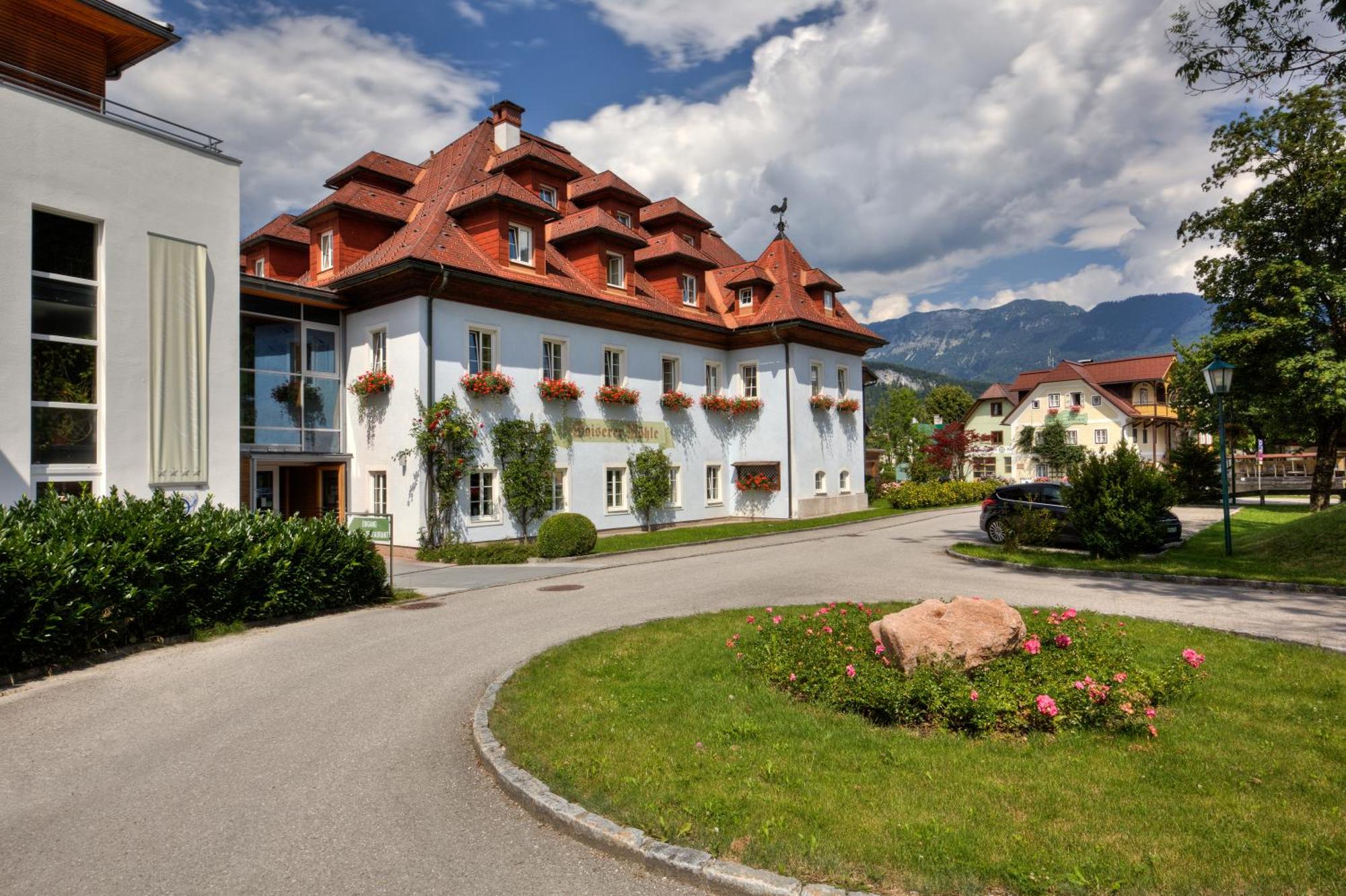
Hallstatt (Vila)
R$1,299 / night

Hallstatt (Vila)
R$1,186 / night

Hallstatt (Vila)
R$954 / night

Hallstatt (Vila)
R$1,005 / night
Must-sees, local secrets, experiences, and hotels — filter layers and tap the pins.
Everything you need to know to plan your trip
Get notified when hotel prices in Hallstatt drop. No spam.
We use your email only to send this price alert. Unsubscribe anytime.
Extend your trip to incredible destinations nearby
Still unsure? See side-by-side comparisons to decide.
We personalize every moment of your journey — from iconic landmarks to hidden cultural gems.
Available 24/7 · Personalized consultations · Local expertise
Updated on June 30, 2026 · Methodology · Authors
Sources
Testimonials
Stories from travelers who have already visited. Share your experience — your comment appears in the cards below.
Visiting Hallstatt exceeded all expectations. The energy of the place is contagious!
Wagner Lisboa
Traveler from Manaus
We traveled as a family and Hallstatt delighted kids and adults alike. Great hotel and attraction picks.
Arthur Klein
Tourist from Germany
I arrived without a fixed itinerary and Hallstatt surprised me at every corner. So welcoming.
Cíntia Rodrigues
Family with kids
Stayed near downtown and walked everywhere. Hallstatt is even better on foot.
Fabiano Lopes
Food lover


