
Miranda de Ebro
Hotel Sercotel Ciudad de Miranda
R$812 / night

Destination
Explore Miranda, the charming destination in the Pantanal of Mato Grosso do Sul. Discover itineraries for safaris, wildlife viewing, and adventure.
Miranda · Brasil
Editorial guide with history, culture, and practical tips to plan your trip.
Miranda is more than just a destination; it is a portal to the wild and vibrant heart of the Pantanal de Mato Grosso. Strategically located in the state of Mato Grosso do Sul, this city has established itself as a gateway to one of the planet's richest and grandest ecosystems. The name Miranda evokes a sense of discovery and immersion in landscapes that seem frozen in time.
When we talk about Miranda, we are primarily talking about the Pantanal experience. It is not merely a geographical location but a way of life shaped by the seasonality of the waters, the murmur of the rivers, and the incomparable majesty of the fauna that inhabits this bioma. Daily life in Miranda is intrinsically linked to the hydrological cycle of the Pantanal de Mato Grosso do Sul, resulting in a welcoming community deeply connected to environmental preservation.
This municipality is recognized for its ability to preserve the balance between human life and raw nature. It offers visitors not just tourist attractions, but a deep reconnection with natural rhythms. The local hospitality, combined with the vast biodiversity unfolding around the city, makes Miranda an essential destination for ecotourism and large-scale wildlife lovers.
While detailed historical sources regarding the settlement of Miranda are extensive and complex, the region's trajectory is intrinsically linked to the process of occupying these floodplain plains. The history of Miranda is a chronicle of interaction between pioneers and one of Brazil’s most resilient biomes: the Pantanal.
Since ancient times, this area has been a stage for natural movements and cultures that shaped the pantaneiro identity. Local development occurred gradually, driven by regional trade, extensive cattle ranching, and humanity's need to live and survive in an environment of extremes—periods of gigantic flooding alternating with marked dry periods. This duality made both residents and visitors resilient and adaptive figures.
The founding of the modern city reflects the expansion of control over these vast plains, but it has never managed to fully tame its wild spirit. The history of Miranda is, therefore, a narrative of coexistence: how to build civilization without suffocating the water cycle and the exuberance of pantaneiro life. This rich historical tapestry gives the place an authentic charm, where ancient traditions mix with the forefront of sustainable ecotourism.
Miranda's culture is a vibrant fusion of influences: the strength of indigenous peoples who have inhabited these lands for millennia, the legacy of traditional cattle ranching, and the customs of riverine communities. It is a culture marked by resilience and deep respect for natural cycles.
In the local cuisine, this influence is palpable. Dishes reflect resources offered in abundance by nature: freshwater fish caught in the pantaneiro rivers (such as dorado or pacu), meats, and typical ingredients of the Mato Grosso do Sul region. Local gastronomy celebrates seasonality, transforming every meal into a tribute to the Pantanal.
Beyond cuisine, culture is transmitted through festivities and way of life. Cultural manifestations are often linked to agricultural-cattle cycles or flood seasons. Traditional knowledge about animal management, river navigation techniques, and sustainable use of natural resources are living heritage assets that keep the region's identity strong and alive.
It is a culture that invites careful observation, adopting a slower, contemplative pace. In Miranda, culture is synonymous with Nature, where fauna and flora dictate much of the social and economic rhythm.
Miranda is situated in a privileged geographic point within the Pantanal, specifically belonging to the state of Mato Grosso do Sul. Its location is defined by the immensity of the floodplain plains, the largest complex of this kind in the world.
Geographically, the most striking feature of this area is not mountains or high plateaus, but rather the vastness of fields and floodplains that are periodically inundated. The Pantanal of Mato Grosso do Sul is a complex transition biome where powerful rivers, like those shaping the surrounding landscape, interact with the seasonal water cycle. This interaction generates a unique and dynamic geomorphology.
The municipality benefits from the presence of important waterways that snake through the plain, determining both transportation and ways of life. The relief is predominantly flat, but the topography varies drastically between permanently dry areas (the *campanha*) and the floodable várzea. This geomorphological diversity is the engine of regional biodiversity.
The climate in Miranda follows a typical tropical regime of the pantaneira plain, characterized by two distinct and marked seasons: the wet season (flooding) and the dry season. It is this alternation that defines the landscape and the rhythm of local life.
During the rainy period, rainfall is abundant and constant, resulting in the flooding of the plains. During this time, rivers overflow, transforming vast areas into a mirror of water that houses aquatic life and allows movement by canoe. The air is hot and humid, and vegetation is at its peak green exuberance.
In the dry season, river levels drop drastically. It is a period that reveals the earthy colors of the savannas and concentrates wildlife along the edges of remaining streams. The climate becomes milder during the day but retains tropical intensity. This climatic transition not only changes the visual scene but completely alters the focus of ecotourism, requiring different types of activities and preparations.
Tourism in Miranda is synonymous with ecological immersion and adventure within the Pantanal biome. The main attraction is not buildings or man-made monuments, but the wildlife that flourishes in every square meter of this natural environment.
Tourist activities are planned to be as sustainable as possible. The main focus is on *photo safaris* and fauna observation. Visitors can expect to spot spectacular megafauna: capybaras, caimans, river otters, diverse bird species (such as toucans and herons), in addition to larger mammals inhabiting the fields. The chance for direct contact with nature is immense.
Other experiences include boat trips and canoeing through sinuous rivers, allowing a unique perspective on the flooded forest and its aquatic inhabitants. For those seeking adventure, there are options involving interpretive trails along the edges of the plains or even observing life on traditional ranches. Miranda positions itself as a hub for premium ecotourism, where the experienced local guide is as crucial as the vehicle to guarantee an unforgettable and environmentally respectful experience.
The Pantanal surrounding Miranda possesses unique characteristics compared to other Brazilian biomes. Its peculiarity lies in the dynamic nature of its life cycle: it is not defined by a constant state, but by the eternal transformation between water and land.
A fascinating curiosity is the concept of a "super-biome." The Pantanal does not have a single flora or fauna; it is a tapestry where species from the Amazon, Cerrado, and Chaco mix and thrive. It is this intermingling that creates unparalleled biodiversity.
Another notable aspect are the large predators inhabiting the region. The presence of jaguar, for example, is an indicator of the ecosystem's health and vastness. Observing these animals in their natural environment is considered one of the rarest and grandest events in world tourism.
Furthermore, the pantaneiro rivers serve as true natural "roads." In the past, the flow of water dictated commercial and social routes. This legacy of river navigation still permeates local culture, keeping alive an intimate connection between residents and the waters that nourish the entire region.
Everything you need to know to plan your trip
Reference figures to help plan your trip
Attractions
9
Selected stays available to book
87 travelers searched Miranda this week
8 stays booked in Miranda in the last 7 days
Miranda de Ebro
R$812 / night

Miranda de Ebro
R$679 / night
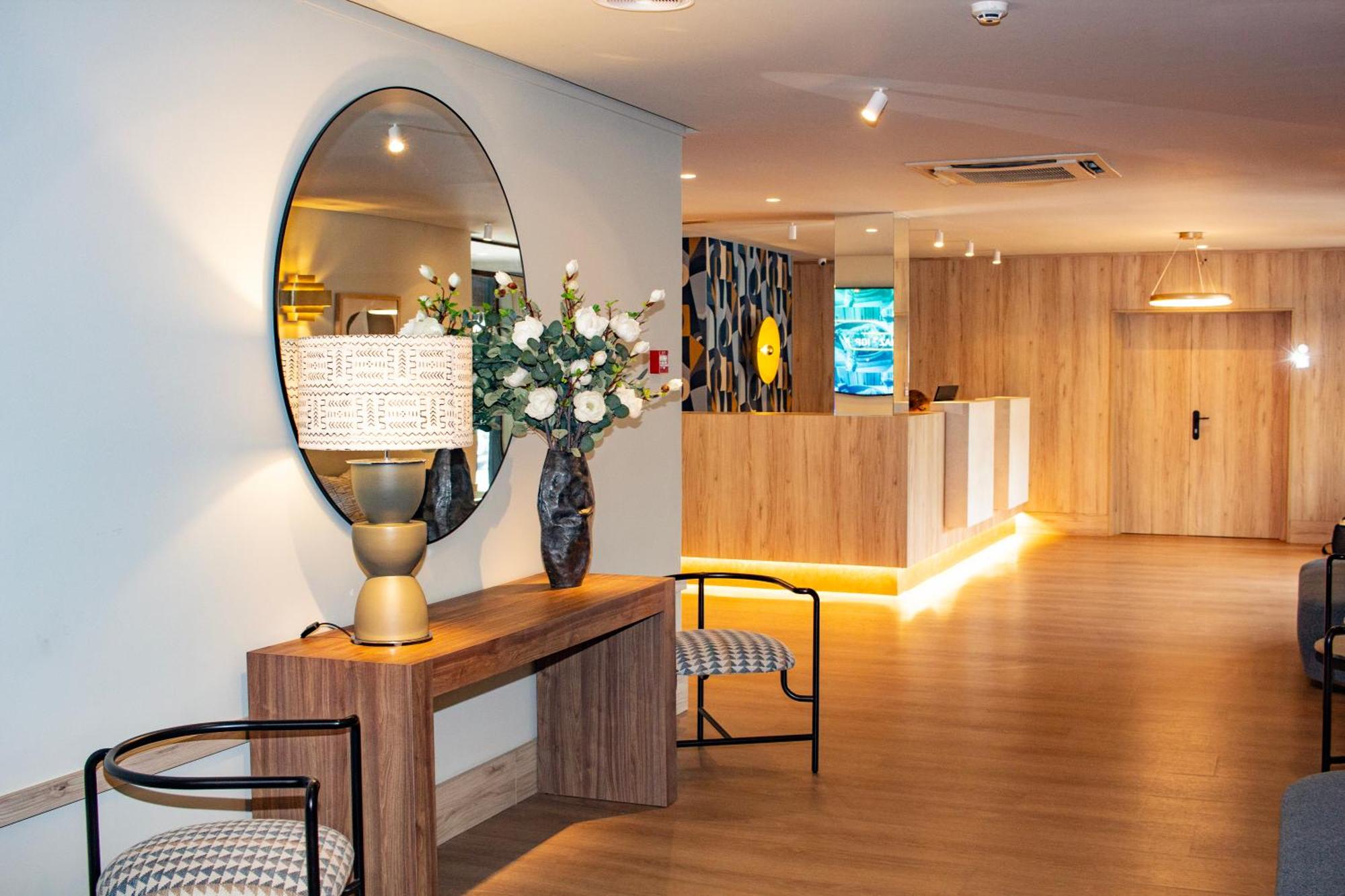
Miranda de Ebro
R$728 / night

Miranda do Corvo
R$1,270 / night

Miranda, Mato Grosso do Sul
R$464 / night

Norte de Goa
R$308 / night
Must-sees, local secrets, experiences, and hotels — filter layers and tap the pins.
Everything you need to know to plan your trip
Get notified when hotel prices in Miranda drop. No spam.
We use your email only to send this price alert. Unsubscribe anytime.
Extend your trip to incredible destinations nearby
Still unsure? See side-by-side comparisons to decide.
We personalize every moment of your journey — from iconic landmarks to hidden cultural gems.
Available 24/7 · Personalized consultations · Local expertise
Updated on July 26, 2026 · Methodology · Authors
Sources
Testimonials
Stories from travelers who have already visited. Share your experience — your comment appears in the cards below.
Visiting Miranda exceeded all expectations. The energy of the place is contagious!
Priscila Gomes
Friend group
We traveled as a family and Miranda delighted kids and adults alike. Great hotel and attraction picks.
Tiago Bueno
Traveler from Campinas
I arrived without a fixed itinerary and Miranda surprised me at every corner. So welcoming.
Yara Bastos
Eco traveler
Stayed near downtown and walked everywhere. Miranda is even better on foot.
Aline Moura
Traveler from Fortaleza


