Caracas
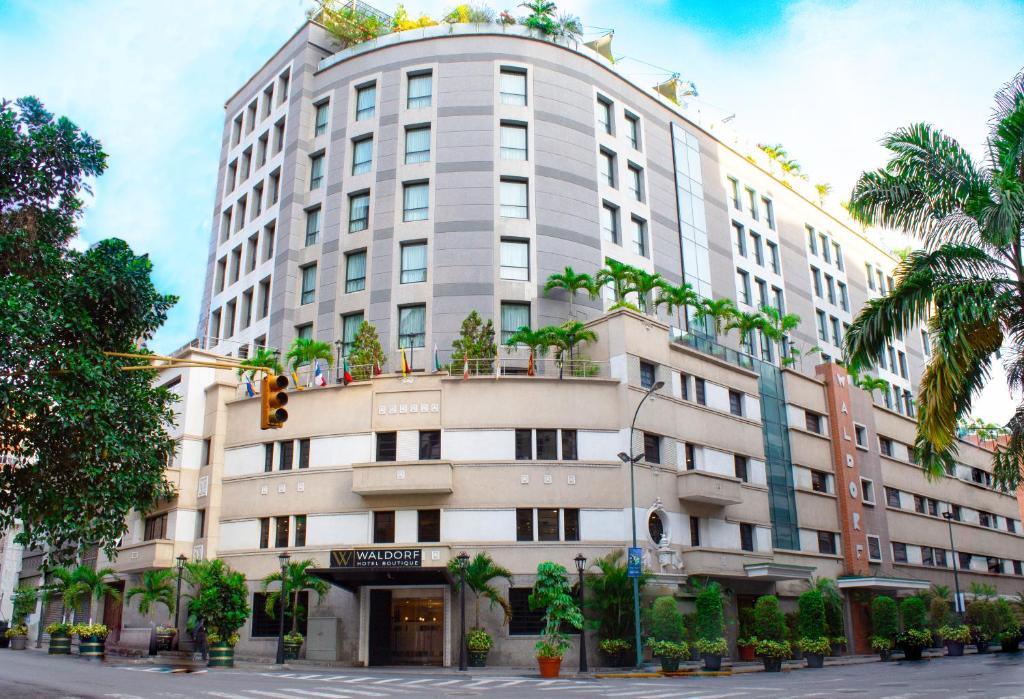
WALDORF CARACAS
R$1,132 / night
Destination
Discover Caracas, the political and cultural heart of Venezuela. Plan your trip to this vibrant capital with essential information and tourism tips.
Caracas · Brasil
Photos
Discover the landscapes and culture of Caracas


Editorial guide with history, culture, and practical tips to plan your trip.
Caracas is more than just a capital; it is the beating heart of the Bolivarian Republic of Venezuela. Recognized not only as one of the most populous cities in Venezuela but also for its strategic relevance throughout South America and the Caribbean. Founded since the 19th century, Caracas has established itself as the undeniable epicenter of power, encompassing political, economic, commercial, and cultural dimensions for the entire nation. The city does not only host the central Venezuelan government—being home to the powers that compose the State—but also functions as a vital point of convergence, defining the rhythm of urban life in one of the continent's most dynamic regions.
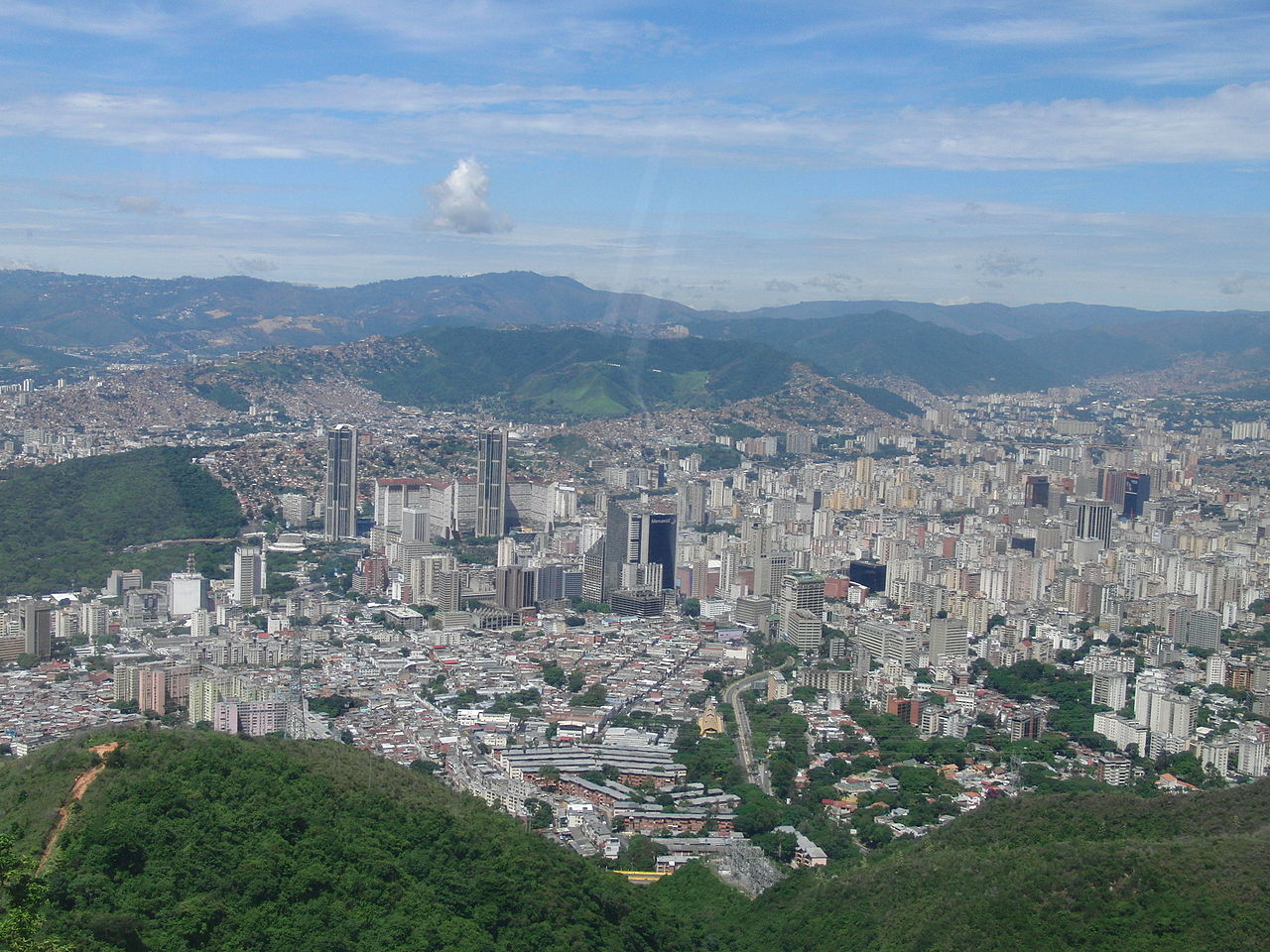
Geographically located in the north-central coastal region, Caracas occupies a unique position. Although relatively close to the Caribbean Sea—just 12 kilometers from its coast—it is situated within a deep mountain valley. This geographic duality gives the city unique characteristics, blending maritime influence with the rigor and majesty of the surrounding mountain ranges, ensuring that its importance transcends purely urban limits.
The trajectory of Caracas is intrinsically linked to the political and economic development of Venezuela. Since the 19th century, the city has consistently been identified as the nerve center of Venezuelan power. This long history of centrality means it has always been where the most important decisions were made, shaping not only the country's destiny but also its cultural and social identity.
The consolidation of Caracas as an administrative capital and a state decision-making hub is a robust historical fact. Its role as the seat of Venezuela’s constituent powers ensures that it remains at the center of regional geopolitical discussions, establishing it as a power not only on a national scale but also in its cultural and commercial influence in the Caribbean and South American neighborhood.
Caracas' geographic location is what gives it its dramatic and monumental character. It is situated in the mountainous valley of Venezuela’s north-central coastal region. Despite its proximity to the Caribbean coast, there is a noticeable physical and topographical separation: it is delimited by the majestic El Ávila National Park, which is part of the Coastal Range.
This valley gives the city a complex altimetric profile. Although near the central Vargas coast, Caracas is elevated at nearly 900 meters above sea level. This elevation is a crucial geographical marker, as the mountain range not only protects and shapes it but also defines the main axis of its urban life, creating an impressive visual and environmental contrast between the high altitude and the sea.
Road infrastructure, such as the Caracas-La Guaira highway, is a testament to this vital connection linking the urban center to the coastal strip, allowing a constant flow of people and goods through challenging yet fascinating geography.
While specific climatic details are not provided in the material, the combination of high altitude (nearly 900 meters) with immediate proximity to the Caribbean Sea suggests a tropical mountain climate. This contrast creates significant variations throughout the day and between the urban valley and the higher areas of the surrounding mountains.
The presence of the Coastal Range, which houses El Ávila National Park, ensures influences from maritime air masses in a mountainous environment. It is this constant interaction—the humid Caribbean air meeting the cool altitude of the mountains—that characterizes the unique rhythm and atmosphere of the capital.
Culturally, Caracas is defined by its multifaceted function as a capital city. It is a vibrant hub where historical traditions intersect with the effervescence of global commerce and modern arts. As the administrative center of the Nation and Capital District, it houses a wealth of architectural and intellectual heritage that reflects centuries of development.
The Caraqueño culture is a vivid mosaic. Its commercial and financial dynamism has attracted diverse populations from different parts of Latin America, resulting in a palpable cultural fusion in its squares, theaters, and markets. Arts and cultural powers are celebrated here, keeping the city the intellectual heart of the country.
Caracas' tourist appeal is as vast as its political and economic role. The destination offers experiences ranging from the frenetic pace of financial centers to the alpine relaxation of neighboring mountains. An unavoidable focal point for any visitor is, without a doubt, El Ávila National Park.
El Ávila is not merely a backdrop; it is a vital tourist attraction, offering trails, panoramic views, and the unique opportunity to experience the transition between urban life and the mountain ecosystem. Furthermore, the city offers a total immersion into its administrative and commercial center, allowing tourists to see the buildings that symbolize Venezuelan state power in a grand architectural setting.
One of the most fascinating curiosities about Caracas lies in its contradictory geography. It is a large metropolitan area (exceeding 1.9 million inhabitants) that manages to maintain proximity to the Caribbean Sea while being deeply nestled in a mountain valley, rising almost 900 meters above sea level. This coexistence of coastal and high altitude is a remarkable natural and urban feat.
Another interesting point is its function as the 'seat of powers' of the Venezuelan state. This means that, within short geographical distances, the visitor can witness the epicenter of federal administration, reinforcing its status not just as a major city, but as a fundamental decision-making hub for all of the Caribbean and South America.
Everything you need to know to plan your trip
Reference figures to help plan your trip
Hotels in the area
24
Attractions
9
24 properties · high demand in Caracas this season
135 travelers searched Caracas this week
Stays for these dates are among the most sought-after in Caracas
Caracas
R$1,132 / night

Caracas
R$976 / night
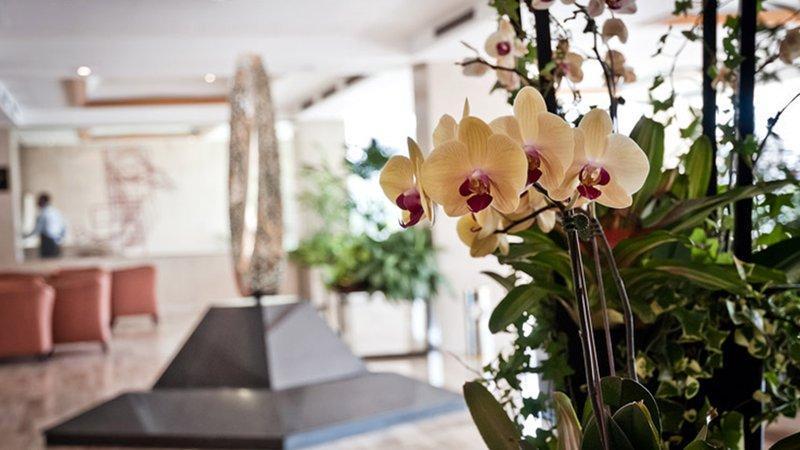
Caracas
R$1,108 / night

Caracas
R$1,242 / night

Caracas
R$961 / night

Caracas
R$1,163 / night

Caracas
R$1,515 / night

Caracas
R$948 / night
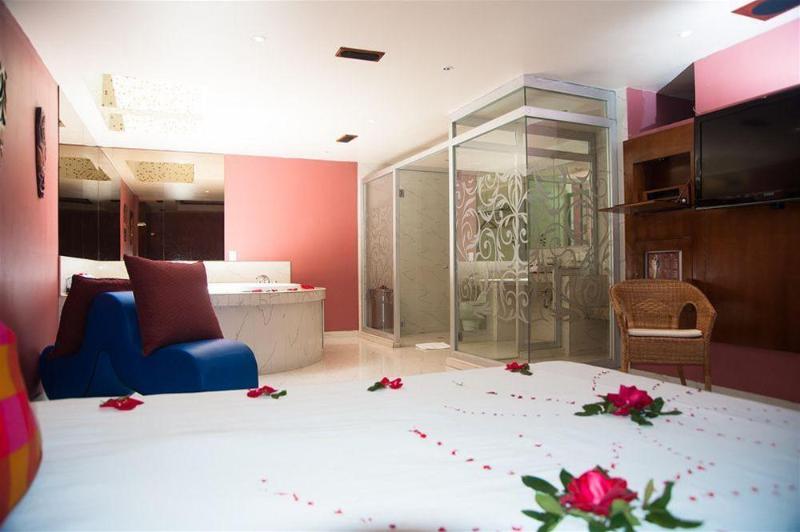
Caracas
R$1,111 / night

Caracas
R$1,265 / night
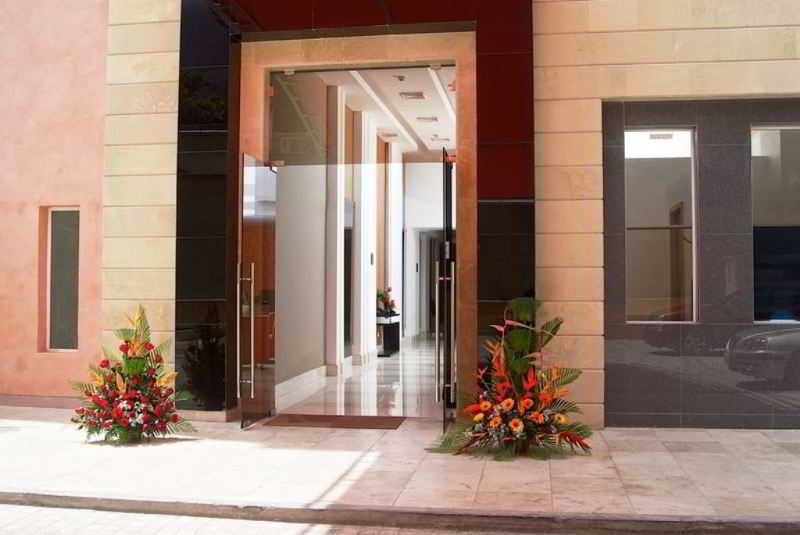
Caracas
R$1,181 / night
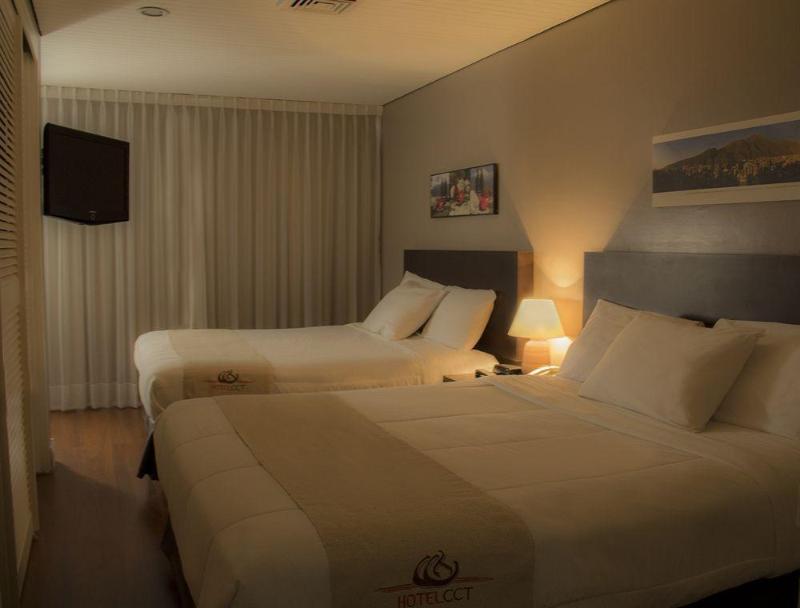
Caracas
R$1,966 / night
Must-sees, local secrets, experiences, and hotels — filter layers and tap the pins.
Everything you need to know to plan your trip
Get notified when hotel prices in Caracas drop. No spam.
We use your email only to send this price alert. Unsubscribe anytime.
Extend your trip to incredible destinations nearby
Still unsure? See side-by-side comparisons to decide.
We personalize every moment of your journey — from iconic landmarks to hidden cultural gems.
Available 24/7 · Personalized consultations · Local expertise
Updated on July 23, 2026 · Methodology · Authors
Sources
Testimonials
Stories from travelers who have already visited. Share your experience — your comment appears in the cards below.
Visiting Caracas exceeded all expectations. The energy of the place is contagious!
João Victor
Traveler from Recife
We traveled as a family and Caracas delighted kids and adults alike. Great hotel and attraction picks.
Monique Barbosa
Food enthusiast
I arrived without a fixed itinerary and Caracas surprised me at every corner. So welcoming.
Priscila Gomes
Friend group
Stayed near downtown and walked everywhere. Caracas is even better on foot.
Tiago Bueno
Traveler from Campinas


