
Marrakech
Riad Soir De Marrakech
R$497 / night

Destination
Explore vibrant Marrakech! Dive into colorful souks, exotic gardens, and rich Moroccan culture. An unforgettable journey awaits you.
Marrakech · Brasil
Photos
Discover the landscapes and culture of Marrakech


Editorial guide with history, culture, and practical tips to plan your trip.
Marrakech is a vibrant jewel pulsating in the heart of Morocco. More than just a tourist destination, this city is a portal to a rich tapestry of history and culture. Known for its intense colors, exotic aromas, and the frenetic rhythm of its souks (markets), Marrakech instantly captivates all who set foot on its soil.
Classified as a vibrant metropolis, the city attracts visitors from around the world looking for immersion in ancient cultures. It is a monumental urban center, whose historical walls and squares tell stories of past empires. The cultural capital of the region is a must-visit destination for any travel lover who wishes to experience the authentic magic of North Africa.
The rich historical trajectory of Marrakech dates back centuries, establishing it as one of the most important and influential cities in the Maghreb. Its development was shaped by various civilizations, from the Almohads to the Saadians, each leaving its architectural and cultural mark. The vestiges of these eras are visible in its imposing walls, majestic palaces, and labyrinthine medinas.
Over time, Marrakech has not just grown; it has refined its identity, absorbing Arab, Berber, and European influences. This cultural fusion has resulted in a unique city on the global stage, where every corner seems to hold a secret of centuries of trade and imperial life.
Moroccan culture, represented by Marrakech, is a sensory kaleidoscope. It is an experience that involves not only sight but also the smells of spices, the sounds of artisan crafts, and the contagious energy of central squares.
Local craftsmanship is world-famous, ranging from handwoven rugs in intricate geometric patterns to leather goods and painted ceramics. The cuisine reflects this diversity, with rich dishes like tagine and couscous, accompanied by exclusive Atlas spices. Interacting with local residents, diving into the traditions of their markets, and embracing Berber hospitality, is key to unveiling the deep soul of this vibrant metropolis.
Strategically located in Morocco (code MA), Marrakech occupies a geographic point that granted it historical importance as a trade route. The city historically developed in an area with semi-arid characteristics but managed to prosper and flourish, building a dense and fascinating urban infrastructure.
From a demographic standpoint, the estimated population exceeds 928,000 inhabitants, making it a significant population center. This high concentration of life and trade results in an urban complexity that is simultaneously chaotic and perfectly organized within its ancient medina layouts.
Marrakech's climate tends to be characteristic of the transition zone between the Sahara Desert and the Atlantic Ocean. This results in a climate regime that varies notably between seasons, but always maintaining a hot and dry atmosphere that has shaped both its architecture and the habits of its inhabitants.
It is crucial to consider this climatic variation when planning a trip, as the heat can be intense during certain times of the year. However, it is precisely this distinctive climate that has granted the city its vibrant colors and its millennial resilience.
Tourism in Marrakech is deeply immersive and multifaceted. The focal point of the tourist experience lies in exploring the souks and historic squares, such as Jemaa el-Fna, an open-air spectacle pulsing with life, music, and aromas.
Beyond unmatched artisanal shopping, visitors can enjoy the tranquility of opulent gardens (such as Jardin Majorelle), explore restored palaces, and charming riads. Whether seeking a spice bath in a traditional hammam or wishing to admire Islamic architecture in its purest forms, Marrakech offers itineraries for all tastes, guaranteeing an unforgettable journey.
The city's impressive population—approximately 928,000 inhabitants—is a direct reflection of its cultural and economic appeal. This human density ensures that life in the city is always intense, lively, and rich with events.
Marrakech is globally known for keeping its commercial traditions alive. Transactions in the souk are not just shopping; they are part of a millennia-old social ritual. Furthermore, the persistent charm of its walls and the chaotic yet magical organization of its medina make it a city that has withstood time, maintaining the vibrant spirit of great centers of commerce from the past.
Everything you need to know to plan your trip
Reference figures to help plan your trip
Hotels in the area
1206
Attractions
9
1206 properties · high demand in Marrakech this season
203 travelers searched Marrakech this week
Stays for these dates are among the most sought-after in Marrakech
Marrakech
R$497 / night

Marrakech
R$6,556 / night

Marrakech
R$3,462 / night

Marrakech
R$1,611 / night

Marrakech
R$900 / night

Marrakech
R$3,311 / night

Marrakech
R$890 / night
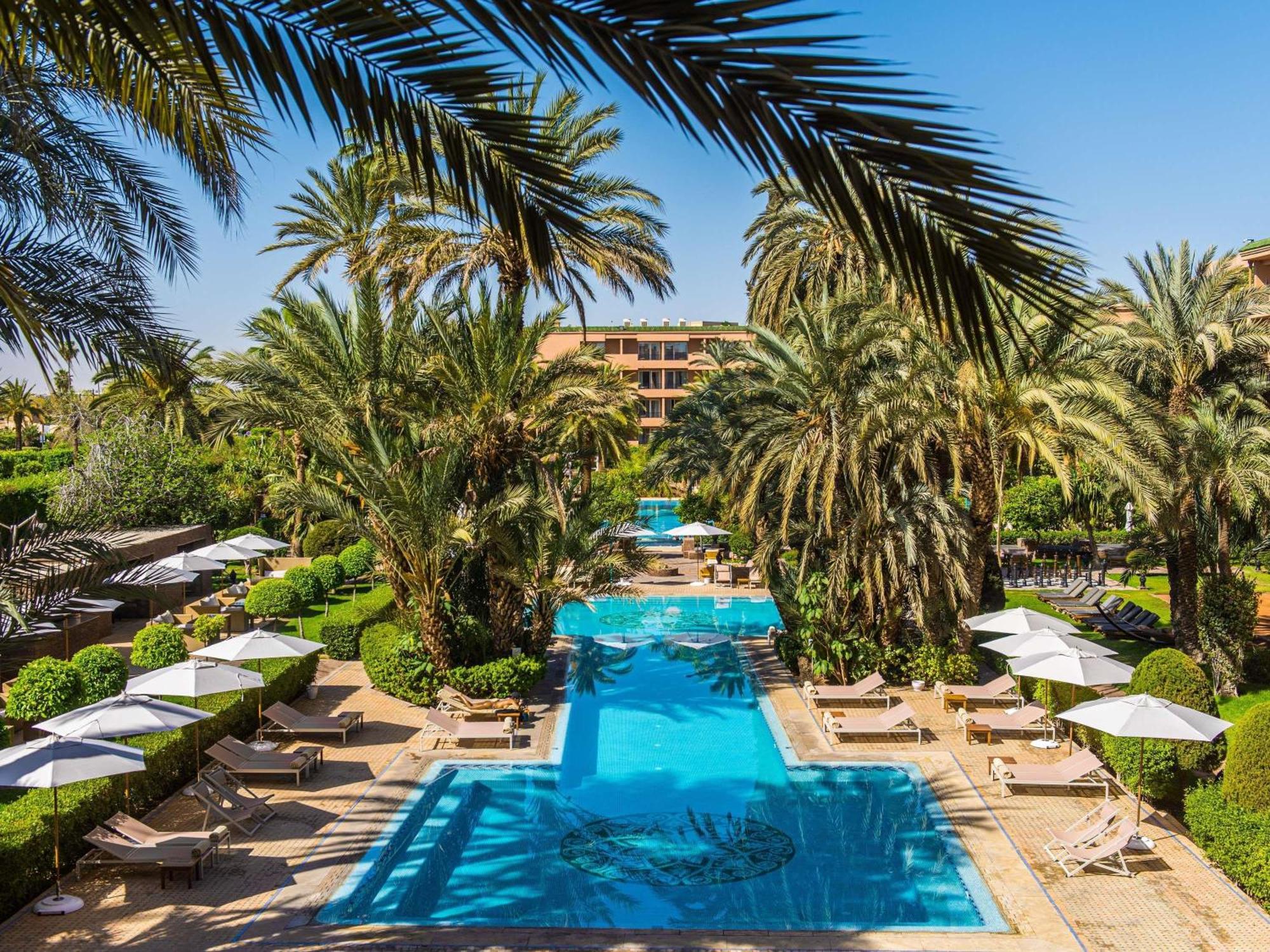
Marrakech
R$2,403 / night

Marrakech
R$7,500 / night

Marrakech
R$1,689 / night

Marrakech
R$1,537 / night

Marrakech
R$1,567 / night
Must-sees, local secrets, experiences, and hotels — filter layers and tap the pins.
Everything you need to know to plan your trip
Get notified when hotel prices in Marrakech drop. No spam.
We use your email only to send this price alert. Unsubscribe anytime.
Extend your trip to incredible destinations nearby
Still unsure? See side-by-side comparisons to decide.
We personalize every moment of your journey — from iconic landmarks to hidden cultural gems.
Available 24/7 · Personalized consultations · Local expertise
Updated on July 27, 2026 · Methodology · Authors
Sources
Testimonials
Stories from travelers who have already visited. Share your experience — your comment appears in the cards below.
Visiting Marrakech exceeded all expectations. The energy of the place is contagious!
Nelson Duarte
Retired couple
We traveled as a family and Marrakech delighted kids and adults alike. Great hotel and attraction picks.
Rafael Santoro
Photographer
I arrived without a fixed itinerary and Marrakech surprised me at every corner. So welcoming.
Valéria Nogueira
Family with teens
Stayed near downtown and walked everywhere. Marrakech is even better on foot.
Zélia Carmo
Traveler from Goiânia
