
Joanesburgo
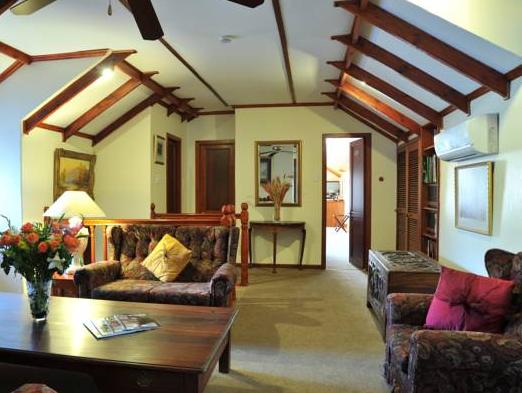
Forum Homini Boutique Hotel
R$1,139 / night

Destination
Discover Johannesburg! Dive into the vibrant culture and rich history of South Africa. Explore Soweto, street art, and a cosmopolitan pace in this pulsing city.
Joanesburgo · Brasil
Photos
Discover the landscapes and culture of Johannesburg


Editorial guide with history, culture, and practical tips to plan your trip.
Johannesburg is more than just a metropolis; it is a vibrant epicenter of African energy and a cultural melting pot beating at the heart of South Africa. Known for its rapid evolution and unwavering entrepreneurial spirit, Johannesburg has earned the title of the country's economic powerhouse. For the modern traveler, the city offers a multifaceted experience: you can explore rich historical wealth in old neighborhoods, dive into the architectural modernity of financial centers, or get lost in the artistic rhythm of colorful communities.
With an estimated population exceeding 3 million and 326 thousand inhabitants, Johannesburg represents a microcosm of South Africa. This dense concentration of people doesn't just mean movement; it means synergy. It is the harmonious mix of Xhosa traditions, European influences, contemporary African rhythms, and a gastronomy that celebrates this diversity. The city wears the shine of industrial progress, but its heart beats to the rhythm of the continent's deep roots.
When visiting Johannesburg, the traveler isn't just visiting a destination; they are participating in an ongoing narrative of resilience and renewal. It is a place where the scars of the past coexist with the glittering skyscrapers of the future, creating a fascinating urban landscape that challenges expectations and enriches the soul.
The trajectory of Johannesburg is an epic saga marked by mining and economic power. Originally established due to the massive discovery of diamonds and gold in the late 19th century, the destination quickly transformed into a global center of wealth. This golden period not only built the city's modern infrastructure but also shaped its social and economic structure.
However, this history of prosperity came with dark chapters. Johannesburg was the stage for deep social and racial conflicts, being at the center of Apartheid segregation structures. The resilience of its inhabitants, however, never wavered. The movement for freedom and the fight for human rights transformed the city into an epicenter of global resistance.
After the institutional end of Apartheid, Johannesburg underwent a monumental process of reinvention. Recent history is told in how working-class neighborhoods coexisted with new technological and artistic hubs. This historical transition was not linear; it was a complex web of social, architectural, and cultural reconstructions. It is this dual layer—the memory of a tumultuous past and the tireless optimism of the present—that gives Johannesburg its singular narrative depth.
Johannesburg's culture is a vibrant mosaic, mirroring South Africa's own population diversity. It is a fascinating fusion of traditional African influences (such as Bantu rhythms and narratives), European colonial legacy, and global cultural expressions attracted workers in search of fortune.
Musically, Johannesburg is a cradle for genres like Amapiano and African House. Music here is not just entertainment; it is a way of telling stories of resistance and celebrating daily life. The streets and clubs pulsate with rhythms that tell the story of generations.
Artistically, graffiti and street art thrive as powerful forms of social and political expression. In various galleries and historical facades, art becomes a constant dialogue between marginalized past and contemporary artistic voice. Furthermore, cuisine is a direct reflection of this mixing: you will find dishes that blend flavors from the continent with modern gourmet techniques. Every meal is a gastronomic journey through the history and cultures of diverse peoples.
Located in the heart of Gauteng province, Johannesburg occupies a strategic geographical position within South Africa. This central location not only facilitated its rise as an industrial and financial hub but also connected it to historically vital trade routes.
Geographically, the urban profile is marked by the contrast between the flatter, modern areas of corporate offices and the more rugged terrain that retains vestiges of surrounding nature. Although predominantly an urban environment built by man, the proximity to unique natural landscapes, such as part of the mountainous system or neighboring ecological reserves (which often feature in tourist activities), adds an essential dimension of contrast.
The urban structure is notably functional, adapted to the explosive growth that accompanied the mining boom. This results in specialized neighborhoods: some dedicated to high-end financial business, others preserving early 20th-century Victorian architecture, and still others emerging as bohemian art centers. This rich geographical organization offers an unmatched variety of landscapes for the traveler to explore.
Johannesburg's climate is typically semi-arid and varies significantly between seasons, requiring travelers to prepare with layered clothing. The city does not have a single climate pattern, but rather influences derived from continental subtropical zones.
Summers tend to be warm and relatively dry, characterized by high temperatures and blue skies—ideal for outdoor strolls in parks and open areas. Conversely, winters can feature mild days, but are also periods when cold fronts bring rapid climatic changes.
It is crucial to note that the climate can change dramatically from one neighborhood to another or even within the same day, due to topography and the influence of regional wind systems. For this reason, the essential tip is to stay flexible in clothing planning. Mornings and evenings can be cool and pleasant, while midday requires sunscreen against intense heat.
Tourism in Johannesburg is a deeply immersive experience that balances the grandeur of business centers with the authenticity of cultural experiences. The main tourist focus lies in the city's ability to tell its own complex and fascinating story.
For culture enthusiasts, tourism manifests through guided tours of historical neighborhoods that narrate the social impact of Apartheid and civil rights movements. In terms of art, the urban gallery is an unmissable destination, where visitors can directly interact with local artists and observe contemporary African artwork.
Gastronomy also significantly drives the tourism sector. Vibrant street markets and sophisticated restaurants invite the traveler to experience dishes that celebrate native South African ingredients, such as exotic meats, local breads, and tropical fruits.
Furthermore, recreational activities range from strolls in urban parks to visits to nearby nature reserves. Johannesburg positions itself not only as a business hub but also as a vibrant cultural capital that embraces the tourist seeking depth and enjoyment.
Johannesburg holds fascinating details that enrich the traveler's experience. One of the most notable aspects is its public transport infrastructure, which manages to move millions of people daily with a complex network of buses and trains, bearing witness to African adaptive engineering.
Curiously, the term "Johannesburg" carries the memory of gold. The mineral shine that attracted the first colonizers continues to influence the city's commercial spirit; it maintains an incessant energy of searching for new opportunities and wealth, whether in finance or art.
Another particularity is the coexistence of the futuristic and the ancestral. It is possible that, within a very small radius, you can move from a super-modern glass corporate building to a street where community traditions are still observed daily. This unforced, yet organic, cohabitation is the city's great differential. It teaches the visitor that history and progress can walk side by side without erasing local identity.
Modern Johannesburg is, therefore, a case study in urban resilience—a pulsating metropolis where every corner tells part of the continent of Africa’s extraordinary tapestry.
Everything you need to know to plan your trip
Reference figures to help plan your trip
Hotels in the area
421
Attractions
9
421 properties · high demand in Johannesburg this season
179 travelers searched Johannesburgo this week
Stays for these dates are among the most sought-after in Johannesburgo
Joanesburgo
R$1,139 / night
Joanesburgo
R$1,809 / night

Joanesburgo
R$1,056 / night

Joanesburgo
R$1,299 / night

Joanesburgo
R$1,588 / night

Joanesburgo
R$1,113 / night

Joanesburgo
R$1,206 / night

Joanesburgo
R$974 / night

Joanesburgo
R$1,190 / night

Joanesburgo
R$1,607 / night

Joanesburgo
R$1,227 / night

Joanesburgo
R$963 / night
Must-sees, local secrets, experiences, and hotels — filter layers and tap the pins.
Everything you need to know to plan your trip
Get notified when hotel prices in Johannesburg drop. No spam.
We use your email only to send this price alert. Unsubscribe anytime.
Extend your trip to incredible destinations nearby
Still unsure? See side-by-side comparisons to decide.
We personalize every moment of your journey — from iconic landmarks to hidden cultural gems.
Available 24/7 · Personalized consultations · Local expertise
Updated on July 19, 2026 · Methodology · Authors
Sources
Testimonials
Stories from travelers who have already visited. Share your experience — your comment appears in the cards below.
Visiting Johannesburg exceeded all expectations. The energy of the place is contagious!
Monique Barbosa
Food enthusiast
We traveled as a family and Johannesburg delighted kids and adults alike. Great hotel and attraction picks.
Priscila Gomes
Friend group
I arrived without a fixed itinerary and Johannesburg surprised me at every corner. So welcoming.
Tiago Bueno
Traveler from Campinas
Stayed near downtown and walked everywhere. Johannesburg is even better on foot.
Yara Bastos
Eco traveler


