
Grand Canyon AZ
Clear Sky Resorts - Grand Canyon - Unique Sky Domes
R$1,025 / night

Destination
Discover the Grand Canyon, a UNESCO World Heritage Site and epic gorge in Arizona. A spectacular view carved by the Colorado River awaits you. Plan your trip!
Grand Canyon · Brasil
Photos
Discover the landscapes and culture of Grand Canyon


Editorial guide with history, culture, and practical tips to plan your trip.
The Grand Canyon is more than just a landscape; it is a geological monument and one of the most magnificent and imposing gorges ever sculpted by nature. Located in the vibrant state of Arizona, USA, this extraordinary site draws the gaze and admiration of travelers from around the globe. Its defining feature is the formation of a deep, steep canyon whose natural architecture was shaped over eons by the relentless and powerful course of the Colorado River.
This spectacular gorge is not just an impactful view; it forms the heart of the Grand Canyon National Park, a space recognized worldwide for its singular beauty. The recognition of this site as a UNESCO World Heritage Site attests to its global importance for preserving natural history. Visiting the Grand Canyon is universally described as a phenomenal experience – a sight so spectacular that words seem insufficient to capture it in memory.
Since its discovery, this geological formation has represented a crucial landmark in northern Arizona. The magnitude of the exposed rock layers, the dizzying depth, and the force of the carving water create a unique visual symphony. It is in this setting of natural grandeur that the Grand Canyon establishes itself as one of the most important tourist attractions in the United States, an essential destination for any nature lover.
The narrative of the Grand Canyon is intrinsically linked to its geological formation, marked by the tireless erosive action of the Colorado River. However, the history of human preservation and appreciation is equally rich, especially through the figure of leaders who advocated for its existence in its natural state.
One name that resonates with deep historical importance in defending this area is former U.S. President Theodore Roosevelt. He not only visited the Grand Canyon but became a great and fervent defender of preserving this colossal valley. Roosevelt's visits were marked by multiple purposes: from appreciating the landscape in its sublime grandeur to engaging in activities like hunting, which reinforced his deep connection to the local ecosystem.
This type of historical defense is crucial for understanding the current status of the National Park. The interventions and recognition of this gorge's importance ensured not only its permanence but also its protection as a world-renowned natural sanctuary. The history told here is not just about stone, but about humanity's commitment to safeguarding beauties that transcend any description.
The culture associated with the Grand Canyon transcends traditional artistic expressions; it resides in the deep and almost reverential relationship humans establish with the magnitude of nature. The canyon inspires a sense of humility before deep time, prompting the visitor to reflect on their own scale and existence compared to the vastness of ancient rocks.
For those who visit the Grand Canyon, the experience becomes a cultural rite of contemplation. The art of observation is stimulated here; there is not just something to be seen, but something to be felt. It is a visual culture that demands pauses, prolonged gazes, and a unique capacity to absorb the monumental scale of the formation.
The tradition of tourism in this location also includes the legacy of visits by great historical figures, such as Theodore Roosevelt, whose appreciation for the landscape established a cultural precedent: the intrinsic value of the area for keeping it untouched. This heritage contributes to the almost epic and sacred aura that permeates every trail and viewpoint within the park.
From a geographical point of view, the Grand Canyon is defined by one striking feature: its steep gorge profile. This is not just a simple valley; it is a dramatic scar on the Earth's surface, masterfully sculpted by the incessant force of the Colorado River. Over millions of years, the river acted as the main erosive agent, carving and deepening this giant fissure in the heart of Arizona state.
The geological formation consists of visible rock layers that tell a story of mineralization over time. These layers are witnesses to past eras, exposed vertically by the deep cut of the river and tectonic forces. The very definition of the region, in northern Arizona, is marked by topographical grandeur and the dramatic contrast between the vertical rock walls and the contained force of the water flowing at the bottom.
The fact that the Grand Canyon belongs to a National Park not only defines its territory but also attests to its unquestionable geographical importance. Its position in Arizona places it on a natural route for those wishing to explore the vast landscapes of the United States, a geographical landmark that serves as a convergence point between history and the raw power of nature.
Although factual material does not provide specific data on temperature or seasonal climate patterns, it can be inferred that the climate around the Grand Canyon reflects the semi-arid and continental environment typical of Arizona. The vastness and altitude of the formation contribute to a unique climatic experience, where temperature variations can be intense throughout the day.
The presence of the steep gorge and depths creates specific microclimates that contrast with the drier, warmer air of the surrounding plateau. When contemplating the landscape, the visitor is subject to typical American Southwest climate variations, making careful planning essential to enjoy every moment of appreciation.
It is important to understand that climate is an active component in the tourist experience, influencing both the colors of the rocks and the general feeling of being immersed in an epic landscape. The combination of regional aridity with visual phenomena created by water and atmospheric variations gives the place its unparalleled character.
The Grand Canyon is internationally recognized as one of the largest and most spectacular tourist attractions in the United States. Its fame is not accidental but rather a result of its unmatched natural magnitude. A visit to this gorge represents the pinnacle of nature tourism experience, challenging visitors with its visual grandeur.
For the traveler, exploring the Grand Canyon involves a dive into geological and biological history. The status as a National Park not only ensures the conservation of the site but also structures an infrastructure that allows safe appreciation of the view from various observation points along the canyon rim. The experience is described as phenomenal precisely because of its ability to convey both raw power and meticulous beauty.
Beyond contemplative tourism and mere visitation, there is an educational element involved: learning about the geological processes that sculpted this masterpiece. It is a destination that attracts adventure lovers (as suggested by the hunting activities mentioned by Roosevelt) and the most peaceful observers alike, all united by the common goal of witnessing natural spectacle at its maximum form.
The Grand Canyon possesses several particularities that add layers of fascination to the experience. Firstly, its recognition as a UNESCO World Heritage Site underscores its transcendent importance to humanity. This stamp is not merely an honor; it is global recognition of this gorge's outstanding universal value.
Another fascinating curiosity lies in its historical connection with prominent figures. Former President Theodore Roosevelt, besides his role as a defender of the area, visited the site repeatedly. These visits were motivated not only by artistic and natural appreciation of the spectacular scenery but also by activities that were part of American large ranching culture.
The structure itself is a testament to millennia of work: it was sculpted by the Colorado River. It is a geological masterpiece in real-time. The depth and vastness of this gorge make any visit comparable to something almost mythological, cementing its status as a sight that truly prepares the visitor for an unforgettable moment.
Everything you need to know to plan your trip
Reference figures to help plan your trip
Attractions
9
Selected stays available to book
109 travelers searched Grand Canyon this week
8 stays booked in Grand Canyon in the last 7 days
Grand Canyon AZ
R$1,025 / night

Grand Canyon AZ
R$2,149 / night

Grand Canyon AZ
R$1,473 / night

Grand Canyon AZ
R$1,706 / night

Grand Canyon AZ
R$960 / night

Grand Canyon AZ
R$1,565 / night

Grand Canyon AZ
R$934 / night

Grand Canyon AZ
R$1,062 / night

Grand Canyon AZ
R$1,461 / night

Grand Canyon AZ
R$1,641 / night
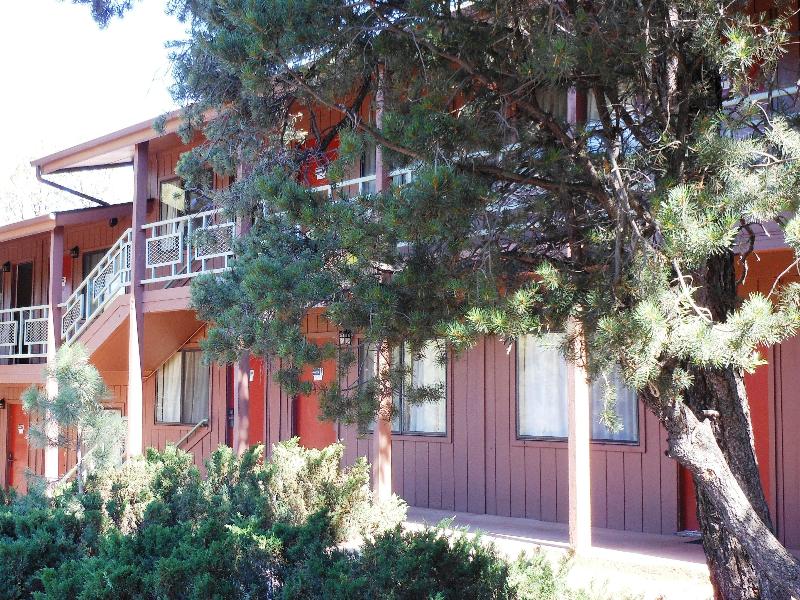
Grand Canyon AZ
R$1,386 / night

Grand Canyon AZ
R$1,589 / night
Must-sees, local secrets, experiences, and hotels — filter layers and tap the pins.
Everything you need to know to plan your trip
Get notified when hotel prices in Grand Canyon drop. No spam.
We use your email only to send this price alert. Unsubscribe anytime.
Extend your trip to incredible destinations nearby
Still unsure? See side-by-side comparisons to decide.
We personalize every moment of your journey — from iconic landmarks to hidden cultural gems.
Available 24/7 · Personalized consultations · Local expertise
Updated on July 24, 2026 · Methodology · Authors
Sources
Testimonials
Stories from travelers who have already visited. Share your experience — your comment appears in the cards below.
Visiting Grand Canyon exceeded all expectations. The energy of the place is contagious!
Monique Barbosa
Food enthusiast
We traveled as a family and Grand Canyon delighted kids and adults alike. Great hotel and attraction picks.
Priscila Gomes
Friend group
I arrived without a fixed itinerary and Grand Canyon surprised me at every corner. So welcoming.
Tiago Bueno
Traveler from Campinas
Stayed near downtown and walked everywhere. Grand Canyon is even better on foot.
Yara Bastos
Eco traveler


