
Flagstaff AZ
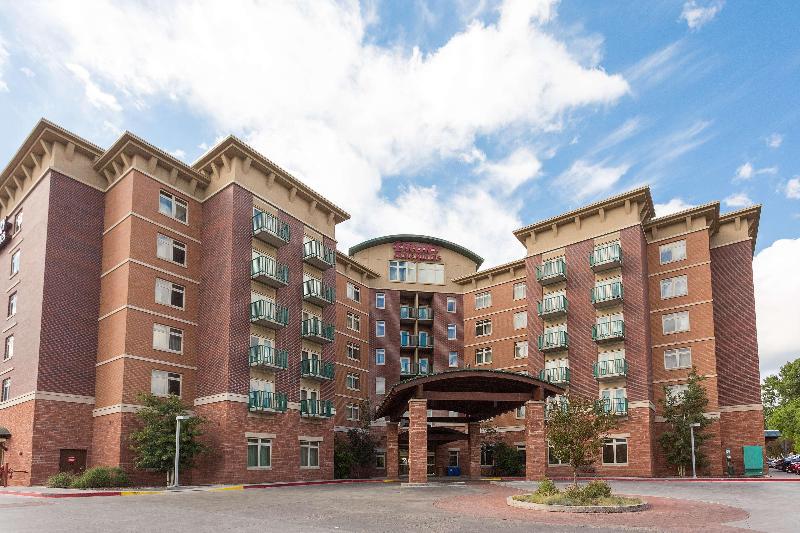
Bespoke Inn Flagstaff
R$1,222 / night

Destination
Explore Flagstaff, a magical town in Arizona. Walk through national forests and admire breathtaking views at the foot of the mountains. History and nature await!
Flagstaff · Brasil
Photos
Discover the landscapes and culture of Flagstaff


Editorial guide with history, culture, and practical tips to plan your trip.
Flagstaff is a vibrant city deeply rooted in the majestic landscape of Arizona, United States. Strategically located in Coconino County, it not only serves as the administrative headquarters for this important county but has also established itself as a meeting point between urban development and the grandeur of wild nature. Its name carries an interesting historical and linguistic meaning, as it means “flagpole” in English, suggesting a connotation of importance or geographic landmark.
Life in the city is shaped by its unique location: it is nestled at the foothills of Arizona's highest mountain. This constant proximity to Humphrey Peak, which reaches an impressive altitude of 3,850 meters (12,633 ft), defines not only its scenic beauty but also the rhythm and character of the Flagstaff community. It is a destination where national forests surround the urban limits, offering a continuous natural refuge to its inhabitants and visitors.
Although it is a manageable-sized city, with a population estimated (considering specific data) at over 964 people, Flagstaff exudes the energy of a center that values both its heritage and intimate contact with preserved natural ecosystems. It is a place where the history of human development meets in perfect harmony with the strength of the surrounding nature.
The foundation of Flagstaff is marked by decisive moments of colonization and growth in Arizona, reflecting the pioneering spirit that marked the state. The formal beginning of its existence dates back to 1876, a crucial period of settlement in newly explored lands.
Over subsequent years, the city underwent important stages of development and consolidation. Its administrative process was solidified with its official recognition as a municipality (incorporation) in 1894. This period of growth allowed Flagstaff to establish itself not merely as a settlement but as the central core of Coconino County.
Historically, the city's location was determined by a unique combination of factors: the need for logistical support for activities developed in the surrounding vastness and, more notably, its privileged position at the foot of the mountains. This historical trajectory not only narrates founding dates but also tells the story of how human settlement managed to adapt and thrive under the protective shadow of natural giants like Humphrey Peak.
Flagstaff's culture is intrinsically linked to its mountain geography and the concept of community life close to nature. Being surrounded by extensive national forests, interaction with wild elements permeates daily life and local cultural expressions.
The local culture values a rich blend between Arizona's historical legacy, which tells stories of pioneering and the frontier, and a deep sense of environmental conservation. The community tends to have a special appreciation for the cycle of seasons, the colors of the forest in different times of year, and the challenges imposed by high altitude.
The etymological meaning of 'flagpole' resonates within this culture, suggesting that Flagstaff has always been seen as a point of prominence or a place of celebration. This cultural identity is reinforced by its central role as the county seat of Coconino County, which attracts different influences and maintains remarkable social dynamism.
Geographically, Flagstaff enjoys a prime position in the heart of the American state of Arizona. Its territorial domain is contained within the administrative limits of Coconino County, where it serves as the main seat. This central location guarantees it access and influence over vast natural areas.
What defines Flagstaff geographically is its impressive natural surroundings. The city doesn't just *exist* near nature; it is literally wrapped in a constant embrace of national forests. This massive forest context acts like a green and dense frame for urban life.
The most dramatic geographical focal point is its positioning at the foot of Humphrey Peak. It is not only a local landmark but also the highest peak in Arizona itself, reaching an impressive 3,850 meters (12,633 ft) above sea level. This vertical elevation and the direct relationship between the city and this mountain giant dictate not only its landscape but also the climatic and ecological characteristics of the region.
Although the source text does not provide detailed weather data, the combination of high altitude (due to proximity to Humphrey Peak) and being surrounded by national forests indicates a climate that varies considerably compared to lower areas of the American desert.
Life at the base of mountains, as in Flagstaff's case, is subject to a climatic regime characterized by striking seasonal changes. It is likely that summers are mild and pleasant, while winters can be colder due to the influence of Humphrey Peak’s high altitude.
The forest environment contributes to maintaining relative air humidity above the average of other desert regions. The climate is a direct reflection of this mountain topography, creating a microclimate that favors outdoor activities and constant connection with the natural cycle of trees and American forest life.
Flagstaff's tourist appeal derives primarily from its spectacular geographic location. The city functions as an entry point or support hub for exploring some of the most impressive natural scenery in the American Southwest.
The main attraction is undoubtedly Humphrey Peak and the vast national forest system surrounding the urban area. This ensures tourist activities focused on ecotourism, hiking, and wildlife observation. Visitors are drawn by the opportunity to combine urban strolls with deep immersions into robust nature.
Furthermore, its status as county seat positions Flagstaff on the map as a destination that attracts travelers interested not only in grand landscapes but also in exploring rich local history and Arizona's culture. Tourist activities are designed to capitalize on this dichotomy: the convenience of the city combined with the adventure of the mountains.
One of the most interesting points about Flagstaff is the meaning of its name itself. The English name literally means "flagpole," giving the city a title that suggests importance, centrality, or a historic focal point in the Arizona region.
Another notable geographic curiosity is the direct relationship with Humphrey Peak. Being located at the foot of the state's highest mountain (3,850 meters) means that the city lives under monumental natural influence, which shapes its visual identity and even its pace of life.
Furthermore, being the administrative seat of Coconino County elevates its role in the region, making it a focal point not only residential but also commercial and governmental. Flagstaff is therefore more than a picturesque mountain town; it is a vital axis on the geographic and administrative map of Arizona.
Everything you need to know to plan your trip
Reference figures to help plan your trip
Attractions
9
Selected stays available to book
207 travelers searched Flagstaff this week
Stays for these dates are among the most sought-after in Flagstaff
Flagstaff AZ
R$1,222 / night

Flagstaff AZ
R$1,207 / night

Flagstaff AZ
R$989 / night

Flagstaff AZ
R$1,572 / night

Flagstaff AZ
R$1,122 / night

Flagstaff AZ
R$1,182 / night

Flagstaff AZ
R$1,561 / night

Flagstaff AZ
R$991 / night

Flagstaff AZ
R$1,144 / night

Flagstaff AZ
R$1,227 / night

Flagstaff AZ
R$985 / night
Flagstaff AZ
R$1,634 / night
Must-sees, local secrets, experiences, and hotels — filter layers and tap the pins.
Everything you need to know to plan your trip
Get notified when hotel prices in Flagstaff drop. No spam.
We use your email only to send this price alert. Unsubscribe anytime.
Extend your trip to incredible destinations nearby
Still unsure? See side-by-side comparisons to decide.
We personalize every moment of your journey — from iconic landmarks to hidden cultural gems.
Available 24/7 · Personalized consultations · Local expertise
Updated on July 24, 2026 · Methodology · Authors
Sources
Testimonials
Stories from travelers who have already visited. Share your experience — your comment appears in the cards below.
Visiting Flagstaff exceeded all expectations. The energy of the place is contagious!
Leandro Meirelles
Traveler from Porto Alegre
We traveled as a family and Flagstaff delighted kids and adults alike. Great hotel and attraction picks.
Olívia Fontes
Traveler from Brasília
I arrived without a fixed itinerary and Flagstaff surprised me at every corner. So welcoming.
Simone Aragão
Traveler from Salvador
Stayed near downtown and walked everywhere. Flagstaff is even better on foot.
Wagner Lisboa
Traveler from Manaus

