
Bruxelas
Juliana Hotel & Spa - Brussels Centre
R$1,149 / night

Destination
Discover Brussels! The vibrant, colorful capital of Belgium awaits you. Explore the Grand Place, museums, and plan your perfect trip.
Bruxelas · Brasil
Photos
Discover the landscapes and culture of Brussels


Editorial guide with history, culture, and practical tips to plan your trip.
Brussels, or in its official and full nomenclature, the Brussels Capital Region, is the beating heart of Belgium and a global center of cultural and political convergence. It is more than just a city; it is a vast Belgian region that holds the title of the country's capital. Its importance transcends urban limits; it represents a complex administrative center composed of 19 distinct municipalities, with Brussels City being its best-known core.
The Brussels Capital Region is strategically located in central Belgium, giving it a nodal position that has historically attracted rulers, merchants, and intellectuals. The regional structure is marked by a singular political-linguistic aspect: it belongs to the Belgian French Community, reflecting the rich cultural and linguistic tapestry that composes this vibrant metropolis.
When exploring Brussels, visitors dive into an environment where different identities meet. Whether through the monumental architecture of government buildings or the daily rhythm of residential neighborhoods across its various municipalities, the experience is an immersion into the fascinating complexity of modern European life.
The history of Brussels is intrinsically linked to its growing role as a political and commercial hub. Since ancient times, the location was distinguished by its strategic position at a vital crossroads of trade routes. Over time, this privileged position solidified it as the epicenter of Belgian power.
The development of the city reflects centuries of political and cultural transformation. The official status of capital is not just an administrative title; it carries the weight of a historical narrative connecting it to major European movements. This multifaceted history has guaranteed the preservation of architectural elements in diverse styles, from medieval to contemporary.
The growth of the Brussels Capital Region was not linear; it was built upon historical layers that formed the 19 municipalities. This unique territorial composition allows the traveler to experience different eras and ways of life in every neighborhood, making the past tangible in almost every corner visited.
Brussels culture is notably marked by its multinational aspect and complex linguistic identity. The coexistence of languages, such as French (Bruxelles) and Dutch (Brussel), is not merely a geographic fact but the central pillar of the local cultural experience.
This bilingual cohabitation reflects unique cultural tolerance and adaptability. Brussels acts as a melting pot where artistic, gastronomic, and social influences from various countries blend, creating something authentic and unmistakable. The city embraces this diversity, transforming pluralism into its greatest artistic strength.
Culturally, the region is an attraction pole for international institutions, resulting in an atmosphere that mixes diplomatic rigor with popular spontaneity. Whether in the art galleries of neighboring cities or in the vibrant festivals of the capital itself, the creative and open spirit is always present.
From a geographical perspective, Brussels is defined by its regional administration: the Brussels Capital Region. This area cannot be reduced merely to its main urban core; it encompasses a rich and diverse administrative network.
It consists of an impressive total of 19 municipalities, each with its own unique geographical characteristics, urban features, and even distinct community sense. This vast territorial composition grants the Brussels Capital Region a very rich internal geography, surpassing the mere definition of a “city.”
Its central location within the country is a determining factor for historical and economic flow. Geographically, it is situated in central Belgium, in a position that facilitates logistical connections with other regions and neighboring countries, reinforcing its role as a gateway for people and ideas.
While material focusing on administrative characteristics does not detail specific climatic variations, it is important to note that the central location of the Brussels Capital Region ensures a typical Northern European climate transition. The climate is characterized as temperate and relatively mild, with temperature variations dictated by the seasons.
Climatic features influence the pace of life, causing the city to adopt a calendar of vibrant seasonal events, from spring fairs to autumn festivities. This climatic influence on the activities and clothing of residents is part of the sensory experience awaiting every tourist.
Tourism in Brussels is a journey of discoveries segmented across its 19 municipalities. The touristic richness is not limited to iconic monuments but embraces the variety of lifestyles and different paces offered by each municipality.
The function of capital ensures a constant flow of international and academic tourists, attracted by its diplomatic status. However, casual tourists also find in Brussels the charm of quieter residential neighborhoods, where it is possible to slow down and absorb local life.
Visitors are invited to explore everything from historic centers filled with classic Belgian architecture to modern areas that reflect the dynamism of the European Union. The city's touristic capacity lies precisely in this harmonious blend between the grand (palaces and institutions) and the intimate (life in the municipal neighborhoods).
A fascinating curiosity about Brussels is its unique administrative structure: being defined as a Region composed of multiple municipalities. This means that, for practical sightseeing purposes, the visitor can feel transported from an environment with almost autonomous identity to another, all within the limits of the same metropolitan area.
Another striking feature is its trilingual nomenclature (French, Dutch, and English). This linguistic coexistence is not merely decorative; it is embedded in daily life, shaping local commerce, street signs, and social interactions. It is a living testament to Belgian politics and culture.
Knowing that the region belongs to the French Community within the broader framework of Belgium offers an extra layer of political and historical context for those who wish to understand the deep roots of the international and community relations shaping this vibrant European capital. It is this complexity that makes Brussels a fascinating destination in multiple dimensions.
Everything you need to know to plan your trip
Reference figures to help plan your trip
Hotels in the area
201
Attractions
9
201 properties · high demand in Brussels this season
179 travelers searched Bruxelas this week
Stays for these dates are among the most sought-after in Bruxelas
Bruxelas
R$1,149 / night
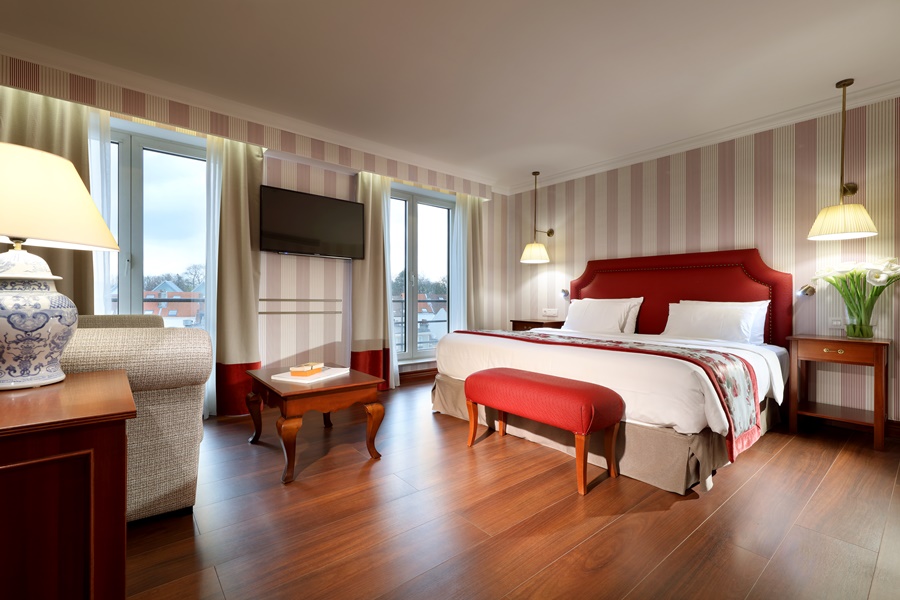
Bruxelas
R$962 / night

Bruxelas
R$1,346 / night

Bruxelas
R$1,130 / night

Bruxelas
R$1,063 / night

Bruxelas
R$1,638 / night

Bruxelas
R$1,120 / night
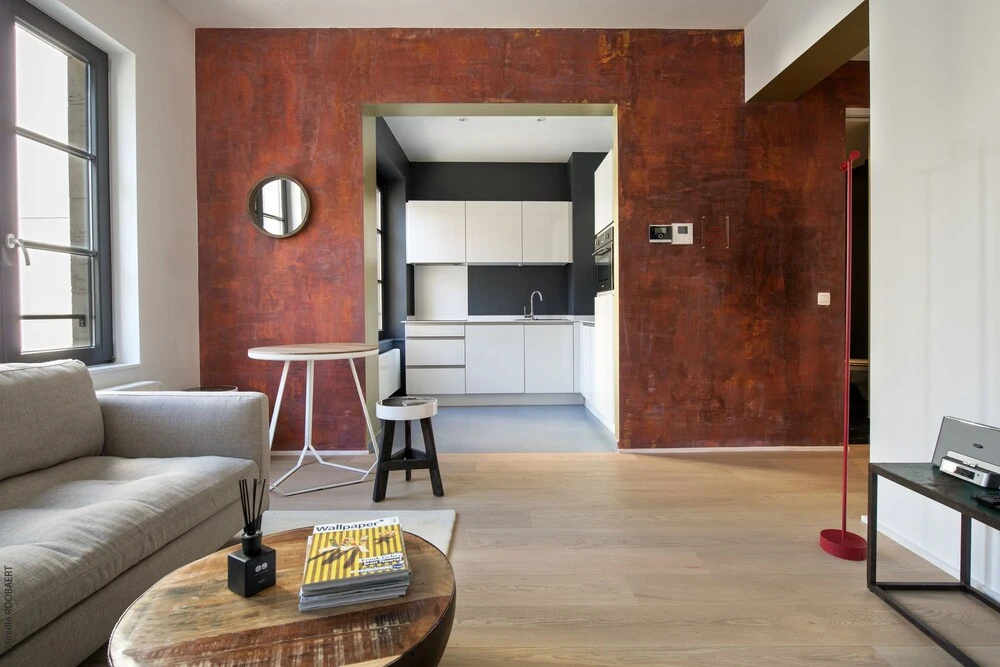
Bruxelas
R$1,703 / night

Bruxelas
R$1,536 / night

Bruxelas
R$962 / night

Bruxelas
R$944 / night

Bruxelas
R$1,004 / night
Must-sees, local secrets, experiences, and hotels — filter layers and tap the pins.
Everything you need to know to plan your trip
Get notified when hotel prices in Brussels drop. No spam.
We use your email only to send this price alert. Unsubscribe anytime.
Extend your trip to incredible destinations nearby
Still unsure? See side-by-side comparisons to decide.
We personalize every moment of your journey — from iconic landmarks to hidden cultural gems.
Available 24/7 · Personalized consultations · Local expertise
Updated on June 30, 2026 · Methodology · Authors
Sources
Testimonials
Stories from travelers who have already visited. Share your experience — your comment appears in the cards below.
Visiting Brussels exceeded all expectations. The energy of the place is contagious!
Simone Aragão
Traveler from Salvador
We traveled as a family and Brussels delighted kids and adults alike. Great hotel and attraction picks.
Wagner Lisboa
Traveler from Manaus
I arrived without a fixed itinerary and Brussels surprised me at every corner. So welcoming.
Arthur Klein
Tourist from Germany
Stayed near downtown and walked everywhere. Brussels is even better on foot.
Cíntia Rodrigues
Family with kids


