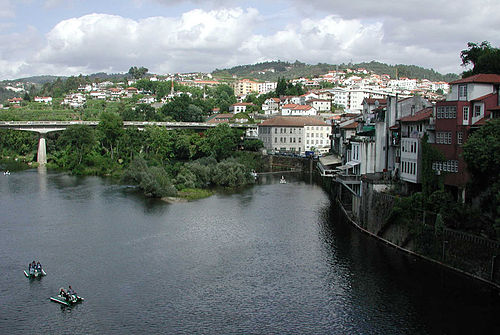
Braga
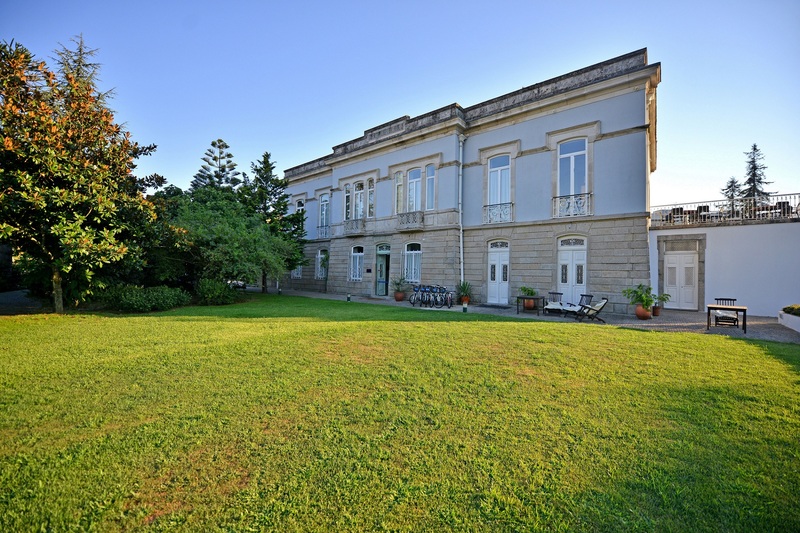
Holiday Inn Braga by IHG
R$918 / night

Destination
Discover Braga, one of Portugal's oldest cities. Known as the City of Archbishops, it is a rich historical and cultural destination in Minho. Explore its Roman traditions!
Braga · Brasil
Photos
Discover the landscapes and culture of Braga


Editorial guide with history, culture, and practical tips to plan your trip.
Braga is a city of profound historical and cultural importance in Portugal. Located in the North of the country, this Portuguese jewel is not merely a geographical point; it represents a vital link to the Christian origins of Western civilization. Known for its resilience and rich architectural and spiritual heritage, Braga bears titles that attest to its grand past, being frequently nicknamed the "City of Archbishops" and also regarded as a Portuguese Roman city in a broader sense.
Administratively, the city is the center of the Cávado sub-region. This strategic positioning within the North region not only defines its local identity but also places Braga in an area of great historical and cultural dynamism within the Portuguese context. Belonging to the District of Braga, it benefits from a rich tapestry that refers not only to current administrative organization but also to larger historical structures, such as the former territory of the Minho province.
For the modern traveler, visiting Braga means immersing oneself in an environment where historical grandeur peacefully coexists with the contemporary pace of life. It is a destination that attracts those interested in tracing the roots of great Portuguese traditions, offering an experience that transcends mere tourism and touches the soul of Minho history.
Braga's historical trajectory is notable for its longevity. It established itself as one of the country's oldest urban centers, holding the title of being one of the most ancient Christian cities with deep roots in time. Its antiquity is not just a chronological fact; it defines the foundation of its traditions and its cultural development over the centuries.
The historical appeal of the city is intrinsically linked to its religious importance, which justifies titles conferred upon it, such as "City of Archbishops." This title underlines the central role Braga played in the Portuguese ecclesiastical structure for many periods. Being at the center of this spiritual power contributed immensely to the cultural and artistic richness visible today in its streets and buildings.
Beyond its religious vocation, Braga also has deep ties to the Roman period, which is why it is recognized as a Portuguese Roman city. These millennia-old roots ensure that its legacy is not limited to a single period, but rather to a succession of civilizations and cultural influences that have shaped the urban fabric until today.
Inclusion in larger historical administrative structures, such as the former territory of the Minho province, solidified its regional importance. This robust historical context allows visitors to trace a continuous line of development extending from Antiquity to the modern era.
The culture in Braga is a vibrant mosaic, deeply rooted in Catholic faith and the traditions of Northern Portugal. The city's cultural identity is shaped by centuries of religious influence and its historical position as a center of spiritual power in the country.
The title of "City of Archbishops" is not just a historical marker but a living reflection of local culture, which deeply values sacred art, doctrinal knowledge, and millennia-old religious practices. This cultural influence manifests in monumental architecture, typical Northern gastronomy, and annual festivities.
Culturally, Braga is a convergence point between the Roman past, medieval strength, and Minho tradition. Local culture embraces a narrative where religious devotion walks alongside the secular memory of commerce and regional administration. This coexistence profoundly enriches the traveler's cultural experience, allowing them to feel the passage of time on every corner.
The Cávado sub-region is the epicenter of this cultural richness in the North, providing an atmosphere that celebrates both the majesty of religious institutions and the liveliness of popular Minho culture.
Strategically located in the North region of Portugal, Braga occupies a nodal point within its namesake district. Geographically, it is the heart of the Cávado sub-region, an area that is part of a larger and historically significant territory: the former Minho province.
This location not only gives the city great administrative importance—being its regional capital—but also determines its access to various natural and cultural landscapes of the North region. Being in Cávado means being in a zone of cultural and geographical transition, close to rivers and valleys that have shaped human settlement since Roman times.
Braga's geographical delineation within Minho reinforces its role as a pole of attraction and development. The city's surroundings are full of natural and cultural elements that complement the urban experience, offering varied landscapes beyond strictly urban limits. This rich geography allows for an exploration ranging from the urban core to the most preserved rural outskirts.
Although the provided sources do not detail Braga's seasonal climate, it is important to note that, as a city located in the Northern region of Portugal and within the Minho context, it has a typically temperate Atlantic climate. This type of climate grants the landscape a characteristic exuberance.
The area's climate directly influences the surrounding vegetation, keeping the green vibrant throughout the year. Climate variations are mild compared to more continental regions, though visitors should be prepared for humidity and temperatures that may vary by season.
This climatic feature contributes significantly to the overall atmosphere of the city and its sub-region, making the environment pleasant for prolonged walks and architectural exploration. The surrounding nature, combined with the influence of the Atlantic climate, ensures that Braga maintains a vibrant color palette in its surroundings.
Tourism in Braga is an invitation to historical and spiritual immersion. The destination attracts visitors not only for its impressive architectural beauty but also for the depth of its Christian history. The city is a center of interest for the cultural and religious tourist.
Its fame as the "City of Archbishops" is the main tourist draw, guiding visitors through a rich tapestry of sacred buildings that are true works of art and living testaments to Portuguese ecclesiastical history. Cultural visits require a sense of contemplation, valuing every architectural and artistic detail.
Furthermore, being the regional capital of Cávado attracts the tourist who seeks to explore not just the city, but the entire surrounding sub-region. It is possible to combine urban tours with the discovery of natural landscapes and small communities connected to Minho.
In summary, Braga offers a multifaceted tourist experience: it is a destination for those who wish to study millennial history (Roman), admire the cultural power of religion (Archiepiscopal), and enjoy the charm of a central Portuguese city in its Northern region.
Braga carries titles that are not merely names, but living narratives. The nickname "City of Archbishops" summarizes its unquestionable historical role as a monumental ecclesiastical center. This designation attests to the spiritual importance of the city for Portugal.
Another remarkable peculiarity is its dual identity: being simultaneously one of Portugal's oldest cities and possessing deep roots in the Roman period. This temporal paradox gives its atmosphere a unique historical weight, making the visitor feel the superposition of eras.
The administration of the city is anchored in a strategic geography: being the capital of the Cávado sub-region and belonging to the Braga district reinforces its role as a regional engine. This centrality makes it a cultural meeting point among the diverse microcultures that compose Minho.
In short, Braga's grandeur lies in the way it preserves the memory of its Roman antiquity and its archiepiscopal spiritual supremacy, all framed by the vibrant geographical context of the North region. It is an open book of history in its streets.
Everything you need to know to plan your trip
Language
Portuguese
Reference figures to help plan your trip
Hotels in the area
38
Attractions
9
38 properties in the area
78 travelers searched Braga this week
10 stays booked in Braga in the last 7 days
Braga
R$918 / night

Braga
R$1,552 / night

Braga
R$1,457 / night

Braga
R$837 / night

Braga
R$1,093 / night
Braga
R$1,256 / night

Braga
R$607 / night

Braga
R$690 / night

Braga
R$630 / night

Braga
R$621 / night

Braga
R$1,070 / night

Braga
R$1,321 / night
Must-sees, local secrets, experiences, and hotels — filter layers and tap the pins.
Everything you need to know to plan your trip
Get notified when hotel prices in Braga drop. No spam.
We use your email only to send this price alert. Unsubscribe anytime.
Extend your trip to incredible destinations nearby
Still unsure? See side-by-side comparisons to decide.
We personalize every moment of your journey — from iconic landmarks to hidden cultural gems.
Available 24/7 · Personalized consultations · Local expertise
Updated on July 22, 2026 · Methodology · Authors
Sources
Testimonials
Stories from travelers who have already visited. Share your experience — your comment appears in the cards below.
Visiting Braga exceeded all expectations. The energy of the place is contagious!
Ingrid Viana
Honeymoon
We traveled as a family and Braga delighted kids and adults alike. Great hotel and attraction picks.
Leandro Meirelles
Traveler from Porto Alegre
I arrived without a fixed itinerary and Braga surprised me at every corner. So welcoming.
Olívia Fontes
Traveler from Brasília
Stayed near downtown and walked everywhere. Braga is even better on foot.
Simone Aragão
Traveler from Salvador