
All destinations
Destination
Amarante
Discover Amarante, a picturesque city in the Porto district. Explore rich culture, the Tâmega River, and a perfect destination for historical and spiritual journeys.
Amarante · Brasil
Photos
Visual journey
Discover the landscapes and culture of Amarante


The spirit of Amarante
Editorial guide with history, culture, and practical tips to plan your trip.
About
Amarante is a name that evokes unique destinations in different Portuguese-speaking parts of the world. Although the term is applied to Brazilian municipalities, such as Amarante in Piauí or Amarante do Maranhão, when we talk about a destination with rich and recognized historical and artistic importance, we are referring primarily to the city and municipality in Portugal.
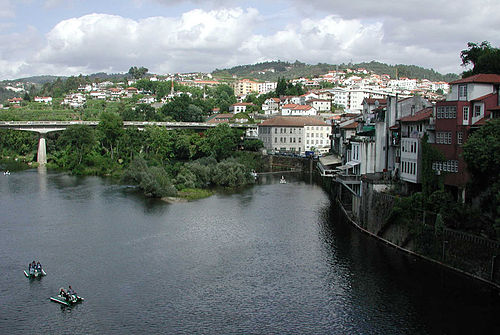
Located in the Porto district of Portugal, this gem is more than just a geographical point; it is a cultural cradle. Its charming streets, crossed by bucolic rivers like the Tâmega, guard stories of great figures in the Portuguese artistic and religious panorama. Amarante maintains the atmosphere of one of Portugal's most beautiful lands, offering visitors not only scenic landscapes but also a deep immersion into the cultural soul of Portugal.
It is important to note that Amarante's charm resides in its authenticity and serene character. For travelers seeking rich cultural experiences without the massive tourist flow of major metropolises or the most famous pilgrimage sites, Amarante presents itself as an ideal sanctuary.
History
The history of Amarante is intrinsically linked to its geographical position and its role in the cultural network of Northern Portugal. Over the centuries, the region has been the scene of events that shaped both its architecture and the spiritual profile of its inhabitants.
Although detailed sources on the city's ancient past are not available here, it is evident that Amarante developed a rich historical legacy, traditionally associated with important routes and beliefs. This historical depth contributed to its status as a significant pilgrimage destination.
The presence of a history marked by spirituality and artistic development ensures that every corner of the city tells a fragment of time. The evolution of Amarante reflects the cultural syncretism typical of Portugal, where popular faith intertwines with the artistic and literary influences of great Portuguese masters.
Culture
The culture in Amarante is vibrant and deeply rooted in art and spirituality. The city was not only a passage point for great names but also a center where creation flourished, leaving indelible marks on its cultural heritage.
One of the most notable aspects of local culture is the direct link with the plastic artists and writers who made history in the country. Amarante was the scene of birth or inspiration for monumental figures like Amadeo de Souza-Cardoso and Agustina Bessa Luís, names that profoundly enriched the Portuguese cultural landscape.
This artistic legacy is not confined to museums; it permeates the way of life of the community. The celebration of local traditions, combined with the fervor of being a popular pilgrimage site (albeit comparably modest compared to Fátima or Santiago de Compostela), creates a unique and welcoming cultural atmosphere for visitors.
Geography
Geometrically speaking, Amarante is a municipality located in the Porto district. Its natural beauty is enhanced by the presence of the Tâmega River, a bucolic element that crosses the heart of the city. This river not only defines the urban landscape but also shapes the rhythm and peaceful atmosphere of the area.
The geography allows for a harmonious combination between densely populated historical urban areas and serene natural spaces provided by the rich surrounding water network. The location in a strategic yet relatively quiet point contributes to its profile as a refuge destination. The geographical characteristics favor the preservation of traditional and artisanal lifestyles.
Climate
While specific climatic details are not provided in the source, it can be inferred that Amarante enjoys a climate typical of Northern Portugal. This type of climate is usually temperate oceanic, characterized by mild summers and gentle winters.
The influence of the Tâmega River contributes to softening thermal variations, keeping the local microclimate pleasant for most of the year. This climatic stability is a factor that attracts visitors at different times, allowing for invigorating walks in the spring as well as peaceful strolls in the autumn.
Tourism
Tourism in Amarante is predominantly cultural and spiritual. It is a popular pilgrimage destination, attracting visitors from various parts of the country and the world keen on experiences of faith and history.
However, its tourist appeal goes beyond religious devotion. It positions itself as a more intimate and less saturated alternative compared to Portuguese mega-destinations. For travelers interested in art, architecture, and connecting with riparian nature, Amarante offers a contemplative pace of travel.
The tourist experience is enhanced by the opportunity to indirectly connect with great names of Portuguese culture who passed through there, exploring local galleries, art museums, and enjoying the charm of the riverine surroundings.
Curiosities
Amarante possesses a rich tapestry of cultural curiosities. It is noteworthy that it is a place where major figures in the Portuguese cultural scene, such as Amadeo de Souza-Cardoso and Agustina Bessa Luís, found inspiration or resided at some point in their lives.
Its status as a popular pilgrimage destination is a curiosity worth highlighting. Although it lacks the international fame of Fátima or Santiago de Compostela, local fervor keeps alive the tradition and spiritual importance of the region for residents and visitors. This grants the city a particular and genuine magnetism.
It is also interesting to mention the multiplicity of the name "Amarante" in different Brazilian states (Piauí and Maranhão), illustrating how this term spread to diverse regions while maintaining its connotation of beauty or cultural origin. But it is in the Portuguese city, embraced by the Tâmega River, that historical charm finds its most palpable expression.
Quick facts
Everything you need to know to plan your trip
Destination at a glance
Reference figures to help plan your trip
Hotels in the area
6
Attractions
9
Best hotels
We are still connecting hotels for this destination. Search stays in the area in the meantime.
133 travelers searched Amarante this week
Stays for these dates are among the most sought-after in Amarante
Coming soon
We are still connecting hotels for this destination. Search stays in the area in the meantime.
Search hotelsDestination map
Must-sees, local secrets, experiences, and hotels — filter layers and tap the pins.
Frequently asked questions
Everything you need to know to plan your trip
Price alert for Amarante
Get notified when hotel prices in Amarante drop. No spam.
We use your email only to send this price alert. Unsubscribe anytime.
Nearby destinations
Extend your trip to incredible destinations nearby
Ready to experience Amarante?
We personalize every moment of your journey — from iconic landmarks to hidden cultural gems.
Available 24/7 · Personalized consultations · Local expertise
Updated on July 22, 2026 · Methodology · Authors
Sources
Testimonials
What people say about Amarante
Stories from travelers who have already visited. Share your experience — your comment appears in the cards below.
Visiting Amarante exceeded all expectations. The energy of the place is contagious!
Rafael Santoro
Photographer
We traveled as a family and Amarante delighted kids and adults alike. Great hotel and attraction picks.
Valéria Nogueira
Family with teens
I arrived without a fixed itinerary and Amarante surprised me at every corner. So welcoming.
Zélia Carmo
Traveler from Goiânia
Stayed near downtown and walked everywhere. Amarante is even better on foot.
Bruno Carvalho
Couple from Curitiba