
Veneza
San Clemente Palace, Venice
R$6,992 / night

Destination
Explore Venice, the magical floating city in Italy. Ride gondolas through canals and experience Italian romance on a unique trip. Plan your itinerary now!
Veneza · Brasil
Photos
Discover the landscapes and culture of Venice


Editorial guide with history, culture, and practical tips to plan your trip.
Venice (Venezia), the incomparable jewel of Italy, is not just a destination; it is an experience that challenges time and the senses. Located in the Veneto region, this unique city of fresh and salt water has created an architectural landscape that seems to float over winding canals, transforming every corner into a postcard worthy of legends. Venice is world-renowned for its mysterious beauty and the uniqueness of its urban system, built upon more than 100 interconnected islands.
The vibrant heart of the city is the Grand Canal (Canal Grande), a majestic waterway that serves as the main circulation route. Life in Venice unfolds through it and countless smaller streams, navigated by vaporettos and gondolas, at a serene and operatic pace. The city is a living testament to human engineering combined with the power of nature, where the sound of running waters meets the harmony of church bells and the whispers of tourist voices.
Exploring Venice means getting lost in a labyrinth of narrow alleyways (calli) and romantic bridges. There are no cars, nor the motorized chaos that characterizes other major metropolises. Transport is dictated by the rhythm of the water, providing visitors with deep and tranquil cultural immersion. From the grandeur of Piazza San Marco to the hidden corners of less visited neighborhoods, Venice offers a continuous architectural spectacle.
The history of Venice is epic, marked by golden moments and periods of extraordinary resilience. Founded in a strategic location on the Adriatic Sea, the city flourished as a maritime and commercial power, establishing itself as one of the central hubs of Mediterranean trade for centuries.
Its roots date back to the 5th century, when the Venetian people settled on this complex of islands to escape land invasions. This forced necessity for isolation and aquatic adaptation shaped not only the city's architecture but also its cultural identity: that of a merchant people, sophisticated, and deeply connected to maritime elements. During the peak of its mercantile power, Venice was a Republic (La Serenissima) that controlled vast trade routes, exchanging Oriental silks for exotic spices from all known worlds.
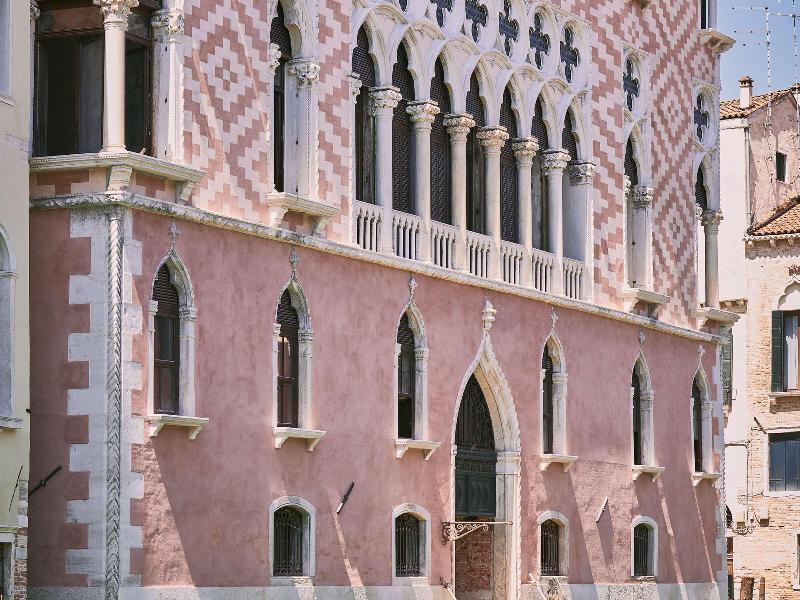
The architecture we see today is a mosaic of styles: Byzantine influences from the Eastern Empire, Gothic touches brought by Northern Europe, and Arab touches from trade routes. This historic melting pot is evident not only in the opulent façades but also in the very social and cultural organization that has remained intact to this day in many aspects. The history of Venice is, therefore, a chronicle of naval power, maritime diplomacy, and Florentine art.
Venetian culture is synonymous with glamour, mystery, and preserved artistic tradition. It pulses through every narrow alleyway, in the colors of façades reflected on the water, and in the melancholy sound of a gondolier's song.
Theatre and music hold a central place in local cultural life. Venice has always been an artistic epicenter, attracting artists and thinkers from all eras. The Venetian Carnival is perhaps its most famous and spectacular cultural manifestation, where masks do not merely disguise identities but also revive centuries of anonymous festive traditions.
Gastronomy also accounts for a vital part of this rich culture. Typical dishes reflect the proximity to the sea, utilizing fresh fish and seafood in sophisticated preparations, accompanied by the unique flavors of Venetian cuisine. The consumption of *cicchetti*, local appetizers served in small bars (bacari), is a social institution that invites visitors to participate in an intimate and authentic gastronomic ritual.
Furthermore, local craftsmanship keeps alive the tradition of Murano crystal, famous worldwide. The mastery of artisans in transforming glass into works of art is a cultural heritage that resists time and attracts admirers of beauty in all its forms.
Venice is not situated on solid ground in the traditional sense, but rather dispersed over a complex lagoon system. Geographically, it is an island city belonging to the Venice Lagoon, a unique coastal delta in Europe and a UNESCO World Heritage Site.
The main urban core is concentrated on several islands connected by bridges and water passages. This aquatic environment completely determines its layout and daily life. The canals are not just thoroughfares but an integral part of the physical and social structure of the city. The topography is extremely flat and low, making water management—whether through pumping systems or in response to tides (acqua alta)—a constant element of Venetian life.
The geographical influence of the Adriatic Sea has shaped both its climate and its history. The salinity of the water and the interaction between rivers and tides contributed to the formation of a unique ecosystem, which local inhabitants understand and respect deeply. This intrinsic relationship between city, water, and land is the most important geographical factor to grasp when visiting Venice.
Venice's climate can be classified as maritime temperate (Cfa), directly influenced by the vast presence of the Lagoon and the Adriatic Sea. This coastal location ensures that extreme temperature variations are mitigated, providing a generally mild and pleasant climate for tourism.
Summers are typically hot and humid, with high temperatures making the sea breeze essential for visitor comfort. It is in this season that the city adorns itself with vibrant colors during the most intense festivals. However, this season also attracts maximum tourist flow.
Autumns are considered by many to be the most magical seasons. The climate begins to cool, but there is still a softness to the light and landscapes. It is an excellent period to appreciate the architecture without the intense heat of summer.
Winters, on the other hand, can be cold and damp. In addition to low temperatures, Venice is notorious for its high tides (acqua alta), a phenomenon caused by unusually high tides that can flood some of the city's lower areas. Although winter requires planning, it reveals a slower, more intimate pace of life, characteristic of Venetians in their daily lives.
Venice holds secrets that few tourists notice. A fascinating curiosity is how the city manages to keep its drainage system functional and its architecture intact for centuries, despite the constant erosive action of salt water.
The gondola, although the most recognized icon, was originally used not just for tourist transport. It served as a practical and silent means of movement between smaller islands, adapting over time into its ornamental and cultural use. Its elegant shape is a perfect solution for traversing shallow waters.
Another notable curiosity is the role of masks. Originally, they were not merely festive accessories; during the Republic era, masks (masquerade) allowed people from different social classes—and even political rivals—to mix without identification, ensuring a unique degree of social freedom during Carnival.
The city is also famous for its relationship with water: not only for spectacular floods but for the constant engineering required to control them. The MOSE system (Modulo Sperimentale Elettromeccanico) is a modern example of Venice's incessant struggle against rising sea levels, showing that resilience and adaptation have always been the existential pillars of this wonderful destination.
Everything you need to know to plan your trip
Currency
Euro
Language
Italian
Reference figures to help plan your trip
Hotels in the area
620
Attractions
9
620 properties · high demand in Venice this season
213 travelers searched Veneza this week
Stays for these dates are among the most sought-after in Veneza
Veneza
R$6,992 / night

Veneza
R$6,695 / night

Veneza
R$18,436 / night

Veneza
R$6,387 / night

Veneza
R$3,046 / night

Veneza
R$5,789 / night
Veneza
R$10,125 / night

Veneza
R$5,587 / night

Veneza
R$2,484 / night

Veneza
R$3,803 / night

Veneza
R$4,770 / night

Veneza
R$5,386 / night
Must-sees, local secrets, experiences, and hotels — filter layers and tap the pins.
Everything you need to know to plan your trip
Get notified when hotel prices in Venice drop. No spam.
We use your email only to send this price alert. Unsubscribe anytime.
Extend your trip to incredible destinations nearby
Still unsure? See side-by-side comparisons to decide.
We personalize every moment of your journey — from iconic landmarks to hidden cultural gems.
Available 24/7 · Personalized consultations · Local expertise
Updated on July 19, 2026 · Methodology · Authors
Sources
Testimonials
Stories from travelers who have already visited. Share your experience — your comment appears in the cards below.
Visiting Venice exceeded all expectations. The energy of the place is contagious!
Aline Moura
Traveler from Fortaleza
We traveled as a family and Venice delighted kids and adults alike. Great hotel and attraction picks.
Daniel Figueiredo
Backpacker
I arrived without a fixed itinerary and Venice surprised me at every corner. So welcoming.
Graziela Pacheco
Repeat visitor
Stayed near downtown and walked everywhere. Venice is even better on foot.
João Victor
Traveler from Recife
