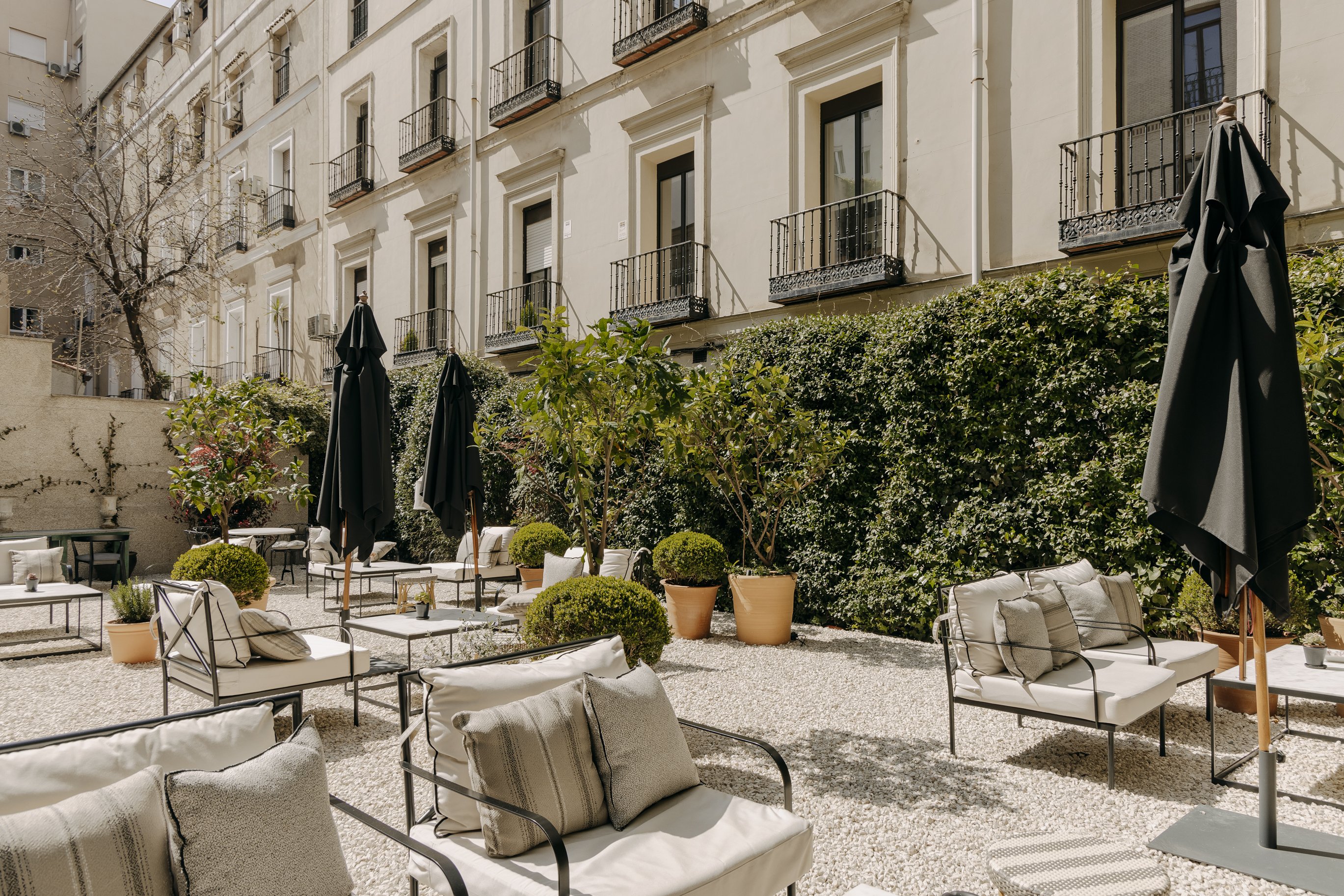
Madrid (Província)
Hotel Unico Madrid
R$5,365 / night

Destination
Discover União dos Palmares, the 'Land of Freedom.' Explore Palmares Quilombo and the story of Zumbi in Alagoas. An unmissable historical destination.
Uniao Dos Palmares · Brasil
Photos
Discover the landscapes and culture of União dos Palmares


Editorial guide with history, culture, and practical tips to plan your trip.
União dos Palmares is not just a vibrant municipality in the state of Alagoas; it is a true historical and cultural epicenter, a destination that carries the strength of memory and the brilliance of the liberating spirit. Lovingly known as 'The Land of Freedom,' this location transcends geographical limits to represent a powerful symbol of resistance, resilience, and struggle for autonomy in Brazil. Its importance is twofold: it is a fundamental regional hub in the Alagoas Mata Zone and the stage where one of the most dramatic and emblematic chapters of Brazilian history unfolded—the slave resistance led by Quilombo dos Palmares.
In terms of administrative structure, União dos Palmares is a municipality situated in a strategic position in northern Alagoas. Its location makes it a nodal point, approximately 73 kilometers from the state capital, Maceió. The city not only serves as a center for its micro-region but also establishes important connections with neighboring municipalities, bordering Santana do Mundaú, São José da Laje, Ibateguara, Branquinha, and Joaquim Gomes. This geographical positioning solidifies its role as a hub across an entire vast region.
Based on the latest demographic data from the 2022 IBGE Census, União dos Palmares demonstrated significant population growth, housing about 59,280 inhabitants. This number not only places it as the sixth most populous municipality in Alagoas but also elevates it to first place within its micro-region. Its total area spans approximately 420 km², of which a considerable portion, about 26.251 km², is dedicated to the urban perimeter. This combination of territorial dimension and population density reaffirms its status as a vital center for life in Alagoas.
The pulsating heart of this city is the Mundaú River, which washes over its lands, providing not only scenic beauty but also a vital element that shaped community development. It is this unique mix of rivers, epic history, and poetry that defines the vibrant soul of União dos Palmares.
The historical narrative of União dos Palmares is intrinsically linked to the theme of freedom and the right to a dignified life. Its fame as 'The Land of Freedom' is no accident; it is the living testimony to epic movements of resistance against slavery, particularly in the 17th century.
The most revered historical landmark is Quilombo dos Palmares. This refuge was much more than just a simple settlement; it became a complex and sophisticated center of civil and military resistance. Records indicate that the headquarters of this quilombo, Mocambo do Macadão, operated during the period between 1590 and 1694. This long period not only solidified Palmares as a national symbol of the fight for freedom but also allowed for the development of its own culture of autonomy and community organization.
It is in this historical context that the monumental figure of Zumbi dos Palmares emerges. He is recognized as the national hero whose name became synonymous with unyielding resistance against slave oppression structures. The quilombo, under his leadership and the courageous example of its inhabitants, represented a vital refuge for thousands of people seeking not only physical survival but also the inalienable right to freedom during a period of intense social violence. The story of Palmares is a visceral and inspiring account of the power of human unity in the face of adversity.
In addition to the revolutionary chapter of Quilombo, literary memory further enriched the city's historical profile. União dos Palmares is also the artistic cradle of the poet Jorge de Lima. This renowned intellectual and writer was a fundamental pillar for Alagoan and Brazilian literature. His existence and work attest that, besides being a site of physical resistance, Palmares was always a breeding ground of artistic and intellectual voices, perpetuating a cultural legacy as rich as that of its freedom-fighting ancestors.
The culture of União dos Palmares is a rich tapestry woven with threads of African resistance, erudite poetry, and local traditions. It is a place where historical memory is not just studied, but lived in every corner, in every artistic and social manifestation.
The legacy of Quilombo dos Palmares deeply permeates the folklore and celebrations of the region. Palmares culture keeps the spirit of struggle alive, transforming military history into cultural heritage celebrated by all generations. African roots are visible in the traditions, rhythms, and community strength of its inhabitants.
In the artistic sphere, the influence of the poet Jorge de Lima lends the city a unique intellectual sophistication. He not only raised the literary status of the region but also established a permanent link between Palmares and the world of letters, ensuring that its cultural memory extends beyond the walls of the struggle for freedom. His figure elevates the city to the level of an artistic hub in the state.
The cultural identity of União dos Palmares is therefore synonymous with creative resilience. It is a culture forged in adversity, which finds in art and word the most powerful vehicle to preserve its roots and honor those who fought for autonomy and human dignity. The celebration of its heroic past invites visitors to immerse themselves in a universe where history, literature, and resistance coexist harmoniously.
Located in the state of Alagoas, União dos Palmares boasts a privileged geographical position, being an integral part of the Immediate Region of União dos Palmares and belonging to the Intermediate Region of Maceió. This strategic location places it at a point of economic and cultural convergence on the Northeast coast.
In terms of distance, the municipality is located in northern Alagoas, approximately 73 kilometers from the state capital, Maceió. This proximity, combined with its land borders, ensures its regional integration. Its boundaries connect it directly to neighboring municipalities: Santana do Mundaú, São José da Laje, Ibateguara, Branquinha, and Joaquim Gomes.
One of the most notable geographical elements is the Mundaú River, which runs through the municipal lands. This river not only defines the landscape but also shaped the history of settlement and economic development of the surrounding region. The associated watershed gives the area a characteristic of great natural richness.
Furthermore, the territory is marked by the presence of Serra da Barriga. This mountain range is not just a geographical accident; it is the historical stage of Mocambo do Macadão and the symbolic center of the struggle of the palmarinos. The conjunction between mountainous natural beauty and fluvial strength (Mundaú River) creates a fascinating contrast scenario, making it a hub of attraction for the entire Alagoas Mata Zone.
With a total area spanning about 420 km², the municipality is vast and diverse, presenting both consolidated urban areas and preserved natural ecosystems along its riparian and mountainous frontiers.
Although specific climate details are not elaborated in the facts, União dos Palmares' position in Alagoas indicates a humid tropical climate. This characteristic is typical of the Northeast region of Brazil, being highly influenced by its proximity to the Atlantic Ocean and the geographical features associated with the Mundaú River basin.
The natural environment surrounding the city, especially in the Serra da Barriga area, contributes to a varied microclimate. The combination of mountain elevations with river-fed plains gives the municipality climatic diversity that supports rich plant and animal biodiversity.
It is important to note how the natural environment—from the lushness of the coastal forest to the elevated relief of the mountains—directly influences daily life. Climate, therefore, is an active element in ecosystem preservation and the pace of life, being vital for ecological tourism that attracts visitors seeking contact with wild nature.
Tourism in União dos Palmares is deeply rooted in its rich historical and cultural tapestry. It is not merely about visiting a place; it is participating in a journey of discovery of memory, Afro-Brazilian culture, and human resilience.
The main tourist pole is undoubtedly the historic site of Quilombo dos Palmares. This visit allows the traveler to delve into a crucial period of Brazilian history (1590–1694), understanding the complexity of life in the quilombos and the significance of Zumbi dos Palmares as a universal symbol of the fight for civil rights.
Serra da Barriga, where the historic Mocambo do Macadão was located, is a point of great tourist attraction. Visitors are drawn by the natural beauty of the site and the symbolic weight it carries. It is an immersive experience that combines military history with preserved natural landscapes.
Beyond the historical theme, the city attracts lovers of literary culture. The tribute to the poet Jorge de Lima also makes União dos Palmares a destination for those interested in Brazilian art and literature, providing a sophisticated cultural experience. The Mundaú River adds a touch of ecotourism and contemplation to tourist activities.
In summary, the tourist who visits União dos Palmares experiences a multifaceted itinerary: they can explore the history of slavery and freedom; admire great literary works; and connect with the natural beauty of the Alagoas mountains. The city is, therefore, a destination of profound meaning and multiple layers of experience.
União dos Palmares possesses a series of unique characteristics that make it fascinating for the curious traveler. It is a municipality with a multifaceted identity, perfectly balancing the role of a modern economic hub and the sanctuary of fundamental historical memory.
A notable fact is its designation as the 'Pole City of the Alagoas Mata Zone.' This title underlines its central role in the regional economy, making it a vital axis that connects different communities and productive activities of the state. Furthermore, the city demonstrates great demographic capacity, being the first municipality in its micro-region in terms of population.
The duality of its importance is one of its greatest riches: on one hand, it is world-renowned for the legacy of Palmares and Zumbi's resistance; on the other, it holds cultural distinction as the birthplace of the poet Jorge de Lima, the 'prince of Alagoan poets.' This coexistence of narratives (physical struggle against oppression and poetic art) deeply enriches its identity.
Geographically, it is a municipality that embraces the strength of rivers like Mundaú and the solidity of mountain formations like Serra da Barriga. This combination not only guarantees stunning landscapes but also serves as physical testimony to the historical cycles lived in its soil.
It is clear that when visiting União dos Palmares, the traveler is stepping into a place where epic past meets vibrant urban development. It is a fusion of resistance and progress, making every stroll through its streets an immersion into important pages of Brazilian history.
Everything you need to know to plan your trip
Language
Portuguese
Reference figures to help plan your trip
Attractions
9
Selected stays available to book
151 travelers searched Uniao Dos Palmares this week
Stays for these dates are among the most sought-after in Uniao Dos Palmares
Madrid (Província)
R$5,365 / night

Nuevo Vallarta
R$3,644 / night

Caorle, Veneto
R$4,182 / night
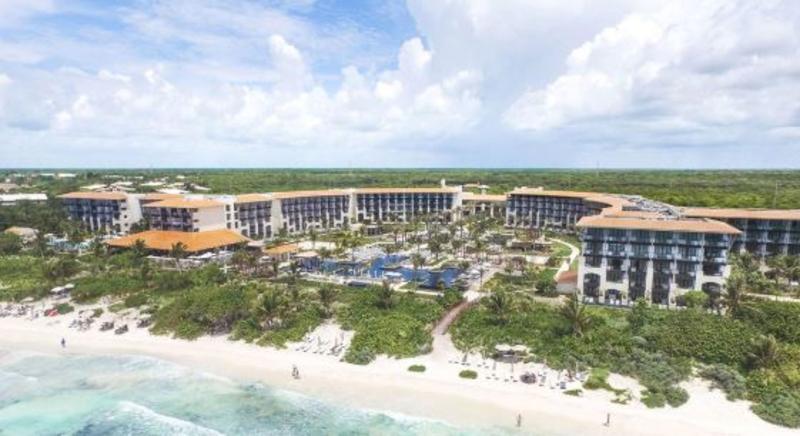
Akumal
R$3,247 / night

Brindisi (Província)
R$1,593 / night

Casablanca
R$449 / night
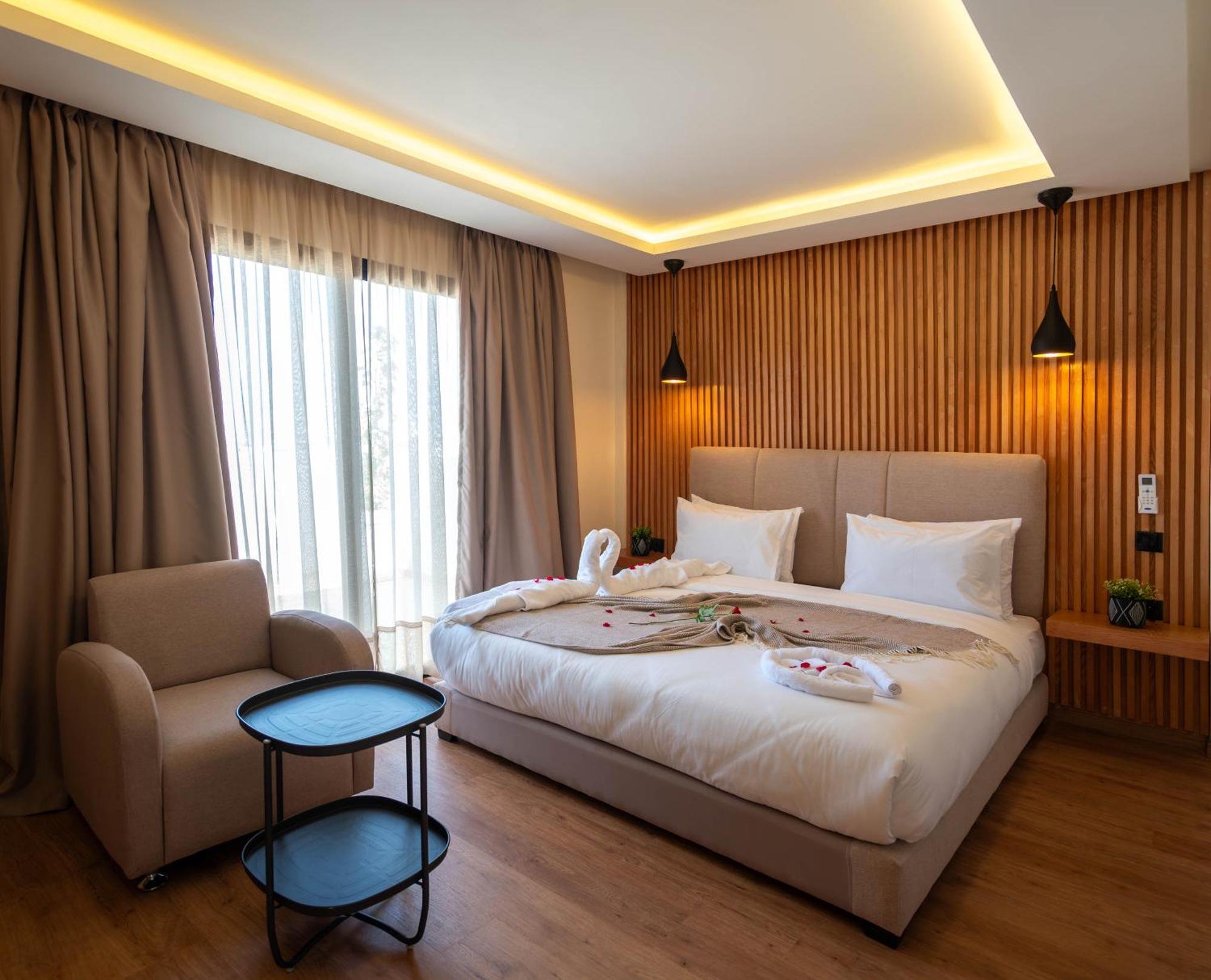
Casablanca
R$450 / night

Budapeste
R$650 / night

Vale de Bravo
R$1,098 / night

Assunção
R$541 / night

Sarande
R$870 / night

Tóquio
R$749 / night
Must-sees, local secrets, experiences, and hotels — filter layers and tap the pins.
Everything you need to know to plan your trip
Get notified when hotel prices in União dos Palmares drop. No spam.
We use your email only to send this price alert. Unsubscribe anytime.
Extend your trip to incredible destinations nearby
Still unsure? See side-by-side comparisons to decide.
We personalize every moment of your journey — from iconic landmarks to hidden cultural gems.
Available 24/7 · Personalized consultations · Local expertise
Updated on July 28, 2026 · Methodology · Authors
Sources
Testimonials
Stories from travelers who have already visited. Share your experience — your comment appears in the cards below.
Visiting União dos Palmares exceeded all expectations. The energy of the place is contagious!
Zélia Carmo
Traveler from Goiânia
We traveled as a family and União dos Palmares delighted kids and adults alike. Great hotel and attraction picks.
Bruno Carvalho
Couple from Curitiba
I arrived without a fixed itinerary and União dos Palmares surprised me at every corner. So welcoming.
Elaine Coutinho
Solo traveler
Stayed near downtown and walked everywhere. União dos Palmares is even better on foot.
Hugo Santana
Local from Belo Horizonte


