
Tiradentes
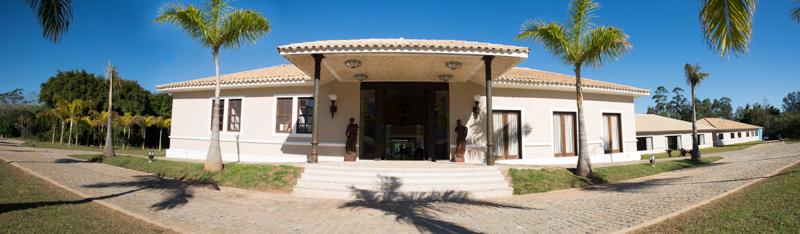
Pousada Pequena Tiradentes
R$1,157 / night

Destination
Discover Tiradentes, a historical gem in Minas Gerais. Explore colonial charm, baroque churches, and the timeless atmosphere that make this city an unmissable Brazilian destination.
Tiradentes · MG · Brasil
Photos
Discover the landscapes and culture of Tiradentes


Editorial guide with history, culture, and practical tips to plan your trip.
Tiradentes is a preserved gem in the heart of Minas Gerais, a destination that transports visitors to the height of Brazil's gold cycle and great colonial political movements. It is not just another city in Minas Gerais; it is an open-air museum, where every corner tells dramatic chapters of the formation of national identity.
Located in the historically and culturally rich state of Minas Gerais, Tiradentes captivates those seeking an immersive journey into the past. Its tranquil atmosphere contrasts with the grandeur of the events that took place there, making it a hub for lovers of history, baroque art, and Brazilian colonial charm.
Although it has maintained a pace of life reminiscent of the 18th century, Tiradentes remains lively and vibrant. With an estimated population in the thousands (currently registered around 6,900), it manages to balance historical authenticity with the comfort of modern amenities, offering everything from charming inns to high-quality Mineiro cuisine.
The city is a living testament to Brazil's cultural resilience, where colonial buildings preserved not only structures but also the way of life and artisan knowledge that survived the test of time. It is the perfect destination for anyone who wishes to breathe in the golden dust of history.
The history of Tiradentes is intrinsically linked to the political turbulence of colonial Brazil, marked by separatist ambitions and growing discontent with Portuguese rule. The epicenter of this historical drama is the figure of Joaquim José da Silva Xavier, affectionately nicknamed Tiradentes.
Joaquim José was more than an individual; he was a military man, a fervent political activist, and the catalyst for one of the most significant conspiracies in Brazilian history: the Inconfidência Mineira (Minas Conspiracy). This event was not merely a local rebellion, but a movement with profound separatist character against maintaining Portuguese colonial rule over the resources and destiny of the Captaincy of Minas Gerais.
The plans behind this conspiracy were ambitious and radically aimed at independence or at least a drastic renegotiation of the colonial terms. The participants, coming from diverse social classes—from clergy to military officers—united in a patriotic fervor that challenged the existing authorities.
The repression of the movement was brutal and had lasting consequences for the name of Joaquim José da Silva Xavier. His trajectory is an eternal symbol of sacrifice for the national cause, immortalized in the collective memory as a hero of independence. Studying the history of Tiradentes in his birthplace means diving into a period of intense and dramatic political transformation that shaped modern Brazil.
The culture in Tiradentes is a rich and tangible fusion of baroque art, Mineiro colonial traditions, and the vibrant spirit of contemporary cultural movements. The past is not merely displayed; it pulses through the city's daily life.
The artistic legacy of the colonial period manifests itself in the architecture and baroque churches, where every façade and internal detail tells stories of faith, wealth, and art. Baroque influence in Minas Gerais is world-renowned, and Tiradentes has preserved this heritage with remarkable care. The ornate details, the colors of the stones, and the imposing structure of the religious buildings are a cultural spectacle in themselves.
Beyond the religious aspect, local craftsmanship is an essential part of its cultural identity. The artisan techniques keep alive the memory of the master builders and artists who flourished during this period. It is possible to find everything from soapstone carvings to traditional lace and leather goods.
Culturally, Tiradentes celebrates the reunion between the modern traveler and the traditions of the past. Mineiro gastronomy completes this experience: robust dishes, based on local ingredients such as corn, cassava, and, of course, artisanal cheeses from Minas Gerais, are an integral part of the state's food culture and warm human hospitality.
Geographically, Tiradentes is situated in the heart of Minas Gerais state, a region known for its rugged topography, Minas landscapes, and mountain climate. The city developed in a valley that allowed human life to flourish despite the complex surrounding geography.
Its location is ideal for those who wish to explore not only the historic urban limits but also the rural landscapes of Minas Gerais. It is surrounded by a rich matrix of historical farms and roads that connect the city to the most famous tourist spots in Minas, providing a setting of constant transition between preserved urban areas and fertile countryside.
The urban layout itself is a geographical-cultural element. The narrow cobblestone streets, winding and synonymous with mystery, were designed during the colonial era to accommodate commerce and life in an autonomous context. Walking through these alleys is traveling back in time, ignoring the linearity of large modern avenues.
Due to its location in Minas Gerais, Tiradentes has a climate that can be classified as tropical highland or subtropical, depending on the time of year. This climatic feature moderates the heat and provides a pleasant feeling when visiting the city.
The days usually have temperate temperatures, ideal for long walks through the historic streets. However, it is crucial to be prepared for typical regional variations. Mornings and evenings often bring a characteristic highland coolness, requiring light clothing or jackets.
The ideal time for visiting generally falls in spring or autumn, periods when the sky is clear and the temperature is balanced. Conversely, the hotter months can bring intense daytime heat, but this is still mitigated by the altitude and the shadows of the colonial buildings.
Tourism in Tiradentes is predominantly cultural and historical. The focus is not on grand leisure or sporting activities, but rather on deep immersion into a fascinating past. It is a destination that nourishes the traveler's soul.
The tourist attractions revolve around preserved colonial architecture, allowing strolls through main squares and the Church of Santo Antônio, a masterpiece of Minas baroque art. The Historic Center is the main attraction, a charming labyrinth inviting unhurried exploration.
Visitors may also be interested in the academic and political aspect of local history. Museums dedicated to the colonial period and great separatist movements offer a chance to understand the context of the Inconfidência Mineira (Minas Conspiracy). Furthermore, the gastronomic experience is a pillar of tourism, inviting travelers to taste typical dishes in restaurants that maintain the rustic charm of the 18th century.
Tiradentes attracts the tourist who values tranquility, contemplative walks, and rich historical narrative over any kind of modern bustle. It is a cultural sanctuary in Brazil.
One of the most fascinating curiosities of Tiradentes is precisely the name honoring Joaquim José da Silva Xavier. The nickname "Tiradentes" was not just an alias, but a military and popular moniker that accompanied his historical deed. It became synonymous with the sacrifice for the Brazilian cause itself.
The importance of Tiradentes goes beyond political history; he is a symbol of the struggle for autonomy during a period when Minas Gerais was extremely rich but politically vulnerable. The memory of this event continues to be studied and celebrated, keeping civil awareness alive in the local community.
Another notable point is the maintenance of artisanal commerce dating back to the gold cycle. Many production techniques are still passed down by local masters, ensuring that the city's economy is intrinsically linked to the preservation of its material and intangible heritage.
Traveling to Tiradentes is experiencing a time capsule where the weight of history balances with the welcoming charm of the present. It is a place where every stone, every church, and every dish carries the narrative of great voices that defined the Brazil we know today.
Everything you need to know to plan your trip
Best time to visit
Spring or Autumn
Currency
Brazilian Real (BRL)
Language
Portuguese
Recommended stay
3 days
Timezone
BRT
Reference figures to help plan your trip
Attractions
9
Selected stays available to book
97 travelers searched Tiradentes this week
7 stays booked in Tiradentes in the last 7 days
Tiradentes
R$1,157 / night

Tiradentes
R$1,058 / night

Tiradentes
R$1,162 / night

Tiradentes
R$1,321 / night

Tiradentes
R$1,199 / night

Tiradentes
R$1,397 / night

Tiradentes
R$1,469 / night
Tiradentes
R$1,308 / night

Tiradentes
R$1,029 / night

Tiradentes
R$1,468 / night

Tiradentes
R$1,376 / night

Tiradentes
R$978 / night
Compare options by price, location, and travel style — clean URLs for search engines.
Must-sees, local secrets, experiences, and hotels — filter layers and tap the pins.
Everything you need to know to plan your trip
Get notified when hotel prices in Tiradentes drop. No spam.
We use your email only to send this price alert. Unsubscribe anytime.
Extend your trip to incredible destinations nearby
Still unsure? See side-by-side comparisons to decide.
We personalize every moment of your journey — from iconic landmarks to hidden cultural gems.
Available 24/7 · Personalized consultations · Local expertise
Updated on July 19, 2026 · Methodology · Authors
Sources
Testimonials
Stories from travelers who have already visited. Share your experience — your comment appears in the cards below.
Visiting Tiradentes exceeded all expectations. The energy of the place is contagious!
Graziela Pacheco
Repeat visitor
We traveled as a family and Tiradentes delighted kids and adults alike. Great hotel and attraction picks.
João Victor
Traveler from Recife
I arrived without a fixed itinerary and Tiradentes surprised me at every corner. So welcoming.
Monique Barbosa
Food enthusiast
Stayed near downtown and walked everywhere. Tiradentes is even better on foot.
Priscila Gomes
Friend group
