
Tacoma WA
Marriott Tacoma Downtown
R$1,336 / night

Destination
Explore Tacoma, WA! This vibrant Washington port city is known as the 'City of Destiny.' Discover history, culture, and beautiful coastlines.
Tacoma · Brasil
Photos
Discover the landscapes and culture of Tacoma


Editorial guide with history, culture, and practical tips to plan your trip.
Tacoma is a vibrant and essential city in the Pacific Northwest region of the United States. It serves as the urban and port center of Pierce County, located in the American state of Washington. Since its founding in the mid-1850s, Tacoma grew not merely as a residential settlement but as a strategic hub for maritime and land trade. Its identity is intrinsically linked to the constant movement of goods and people crossing the Pacific Northwest.
Today, the city maintains a significant population, exceeding 217 thousand inhabitants, covering a considerable area of approximately 161.675629 square kilometers. This geographical size allows Tacoma to combine the characteristics of a large metropolitan center with the charm and functionality typical of a historic port community. It is this balance between modern urban development and deep historical roots that defines the spirit of the city.
More than just a county seat, Tacoma carries in its name a legacy of destiny. Its geographic position was crucial for major American infrastructure projects in the 19th century, elevating it to the mythical status of the "City of Destiny"—a title that emphasizes the city's central role in the continental railway and economic history.
Tacoma’s trajectory is deeply marked by the fervor of American Western development. The first signs of settlement date back to the 1850s, a period when the region began to be explored due to economic potential tied to natural resources and growing demand for maritime trade routes.
Growth was rapid and accelerated, fueled by the ambition of railway entrepreneurs. Its official administrative consolidation occurred on November 12, 1875, the date the settlement formally incorporated as a recognized city. This event not only consolidated its physical existence but also sealed its crucial role in the region’s history.
The peak of its historical relevance came in the late 19th century when Tacoma gained lasting fame and a grand nickname: "City of Destiny." This title was not assigned by chance; it resulted from monumental strategic choice. The exact area where modern Tacoma is located was selected to serve as the westernmost point of the transcontinental railway known as the Northern Pacific Railway. Being the terminus, or the main arrival and departure point for a system as vital as the train crossing the United States, conferred upon the city an unparalleled geopolitical and economic role at the time.
The presence of the port, combined with the rail line, transformed Tacoma into a nerve center. The arrival of the tracks did not only transport people but also the boom of commerce that permanently shaped its urban structure, making it a vital hub for trade flows between the Pacific Ocean and the interior continent.
Tacoma's culture is a rich tapestry, woven with threads of maritime life and iron tracks. As a port city since its inception, the influence of sailors, international merchants, and immigrants arriving via the Pacific has shaped a profoundly cosmopolitan character.
The spirit of the "City of Destiny" is reflected in its culture: it is intrinsically linked to resilience, entrepreneurship, and adaptability. Historically, the meeting of cultures—be they from railway workers, Asian traders, or European colonists—created a rich artistic, gastronomic, and social diversity that endures today.
Culturally, Tacoma celebrates its maritime roots through port activities, markets, and festivals. The history of the Northern Pacific Railway is not just a technical fact; it is narrated in museums, historic buildings, and the very architecture of the harbor area. This unique blend of the slow, nostalgic rhythm of pioneer times and the relentless energy of a global metropolis results in a vibrant and multifaceted cultural scene.
Located in Washington state, Tacoma occupies a privileged geographic position on the Northwest Pacific coast. Its nature as a port city is its defining geographical element. The proximity to deep waters of the Pacific Ocean not only facilitated large-scale maritime trade since the 19th century but also dictated the layout of its main urban and commercial sectors.
Geographically speaking, Tacoma is a classic example of the interaction between human infrastructure and natural resources. The city flourished at the ideal point where terrestrial lines (represented by the passage of the Northern Pacific Railway) met the vast maritime artery of the natural harbor. This geographic convergence made it an unprecedented distribution center of goods.
Its area, covering more than 161 square kilometers, encompasses densely populated urban zones as well as adjacent areas with distinct port characteristics, including docks, historical warehouses, and railway lines. It is this combination of industrial and coastal urban topography that gives Tacoma its unique profile in the Pacific Northwest region.
Due to its location in Washington state and in a port area near the large body of water that is the Pacific Ocean, Tacoma's climate is typically influenced by a maritime regime. Generally, the region experiences a climate known for its oceanic mitigation.
Although extreme weather can occur, the dominant characteristic is generally milder temperatures and less drastic variation compared to the interior continent. The influence of the water tends to soften both extreme cold and intense heat. This climatic stability was crucial for developing a functional port over long periods and sustained population growth to this day.
The seasons are marked by the typical peculiarities of the Pacific Northwest, with seasonality accentuated by the rainfall that accompanies the maritime cycle. It is this temperate climate that allows the city to maintain its economic and port activity throughout almost the entire year, sustaining the rhythm of ships and railroads.
Tacoma's tourist appeal is deeply rooted in its industrial and maritime history. For the visitor, the city offers an immersive journey through time, where every block tells a piece of transcontinental narrative.
One of the main attractions is undoubtedly the historic port area. This is where one can visualize the legacy of its function as the westernmost point of the Northern Pacific Railway and a bustling center for maritime trade since the 1850s. Visitors can explore preserved historical buildings, museums dedicated to navigation, and railway transportation.
Tourism in Tacoma also benefits from its coastal location. Strolls along the waterfront offer spectacular views of Puget Sound and modern port activity, allowing tourists to feel the pulse of the city as a global hub of exchange. Furthermore, the integration between historic areas and urban parks provides varied leisure experiences, appealing both to history enthusiasts and those seeking contact with mild natural environments.
Tacoma carries with it a title that resonates throughout its foundation: "City of Destiny." This designation is not just a nickname but a factual recognition of its historical role. In the late 19th century, when major railway endeavors sought to connect the American East Coast to the vast Asian market across the Pacific Ocean, Tacoma was chosen as the most western and strategic point to receive the Northern Pacific lines.
This choice determined its future. While many cities in the region grew based on agricultural or mineral resources, Tacoma flourished thanks to transport. Being a hub where transcontinental trains met the sea gave it an economic vitality that kept it relevant for over 170 years.
Furthermore, its history is marked by rapid development and formal incorporation in 1875. The fact that it is the seat of Pierce County reinforces its administrative and community role in the region, solidifying it as an undeniable regional center. The convergence of these facts—port, railway, and administration—defines the fascinating complexity of Tacoma life.
Everything you need to know to plan your trip
Reference figures to help plan your trip
Attractions
9
Selected stays available to book
145 travelers searched Tacoma this week
Stays for these dates are among the most sought-after in Tacoma
Tacoma WA
R$1,336 / night

Tacoma WA
R$1,429 / night

Tacoma WA
R$1,150 / night

Tacoma WA
R$1,310 / night

Tacoma WA
R$931 / night
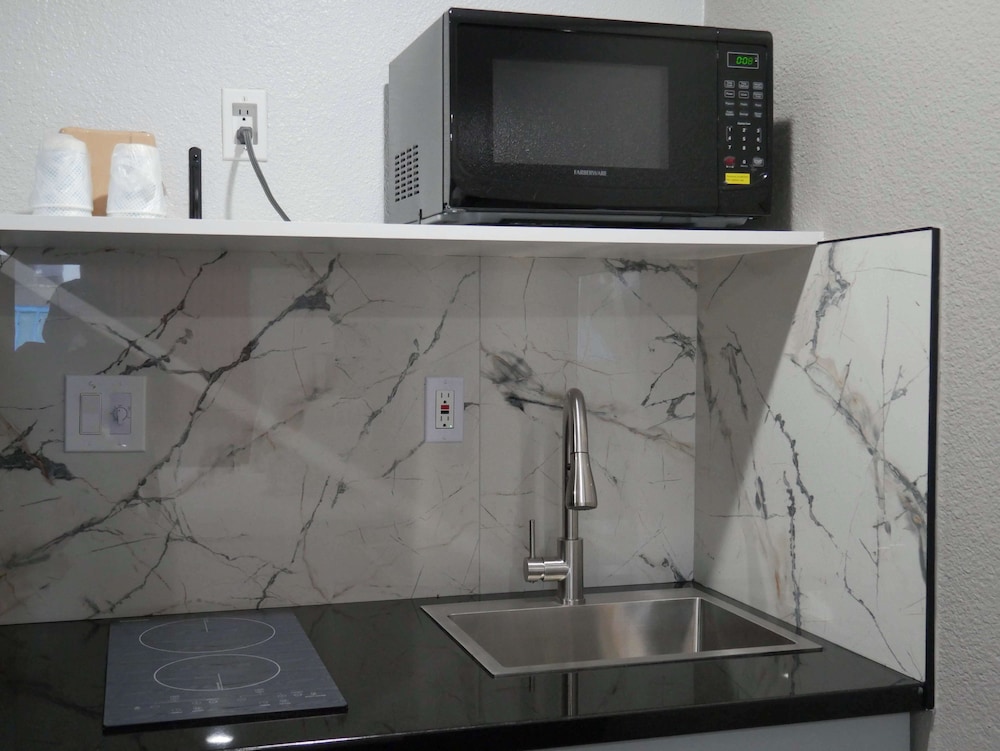
Tacoma WA
R$904 / night

Tacoma WA
R$832 / night

Tacoma WA
R$1,139 / night

Tacoma WA
R$1,077 / night

Tacoma WA
R$969 / night

Tacoma WA
R$1,083 / night
Must-sees, local secrets, experiences, and hotels — filter layers and tap the pins.
Everything you need to know to plan your trip
Get notified when hotel prices in Tacoma drop. No spam.
We use your email only to send this price alert. Unsubscribe anytime.
Extend your trip to incredible destinations nearby
Still unsure? See side-by-side comparisons to decide.
We personalize every moment of your journey — from iconic landmarks to hidden cultural gems.
Available 24/7 · Personalized consultations · Local expertise
Updated on July 27, 2026 · Methodology · Authors
Sources
Testimonials
Stories from travelers who have already visited. Share your experience — your comment appears in the cards below.
Visiting Tacoma exceeded all expectations. The energy of the place is contagious!
Tiago Bueno
Traveler from Campinas
We traveled as a family and Tacoma delighted kids and adults alike. Great hotel and attraction picks.
Yara Bastos
Eco traveler
I arrived without a fixed itinerary and Tacoma surprised me at every corner. So welcoming.
Aline Moura
Traveler from Fortaleza
Stayed near downtown and walked everywhere. Tacoma is even better on foot.
Daniel Figueiredo
Backpacker


