Sonora
City Express by Marriott Cananea
R$796 / night

Destination
Explore Sonora, a vast and stunning state in northern Mexico. Discover rich culture, unique arid landscapes, and vibrant cities like Hermosillo.
Sonora · Brasil
Photos
Discover the landscapes and culture of Sonora


Editorial guide with history, culture, and practical tips to plan your trip.
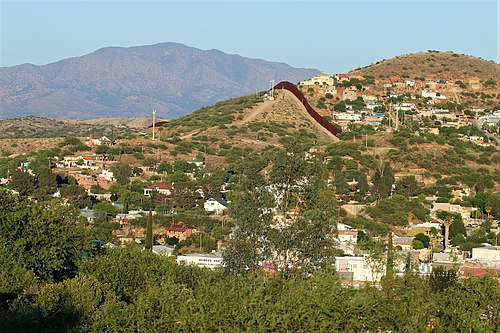
Sonora is a grandiose destination with expansive landscapes, located in the heart of northern Mexico. Among the thirty-one states that form the Mexican mosaic, Sonora stands out not only for its colossal size but also for its rich combination of natural, economic, and cultural features. It is a region of impressive contrasts: from vast grazing plains ideal for cattle ranching to vibrant urban centers that serve as gateways for international trade.
With a total area reaching an impressive 179,355 km², Sonora is recognized as one of Mexico's most extensive states, occupying a strategic geographical position. Its capital, Hermosillo, is the main administrative and commercial hub, but the region expands to include other significant cities, such as Ciudad Obregón, Nogales, and Agua Prieta. Its population is estimated to exceed 2.85 million inhabitants, living in a dynamic mix of rural traditions with the fast pace of commercial borders.
The state holds fundamental economic importance for Mexico, notably anchored by a primary activity: cattle ranching. This economic vocation defines much of the identity and way of life in many areas of the state, shaping its infrastructure and social profile. Visiting Sonora is diving into an experience of magnitude, where the scale of the landscapes mirrors the cultural grandeur of its inhabitants.
Although sources do not detail specific historical timelines, the very existence of Sonora as a state reflects centuries of development and human occupation. Its history is intrinsically linked to its strategic geographical role in northern Mexico, an area historically crucial for transcontinental trade routes.
The evolution of Sonora was marked by its importance in cattle ranching and livestock breeding—activities that have always been the backbone of the local economy. The vast territory and natural resources made the state a focal point since ancient times. The current borders trace a complex and vital frontier—not only with its Mexican neighbors like Chihuahua, Sinaloa, and Baja California, but also with the United States, consolidating Sonora into an area of intense cultural and economic exchange.
Over time, the cities that now represent the state, including Hermosillo, Nogales, Ciudad Obregón, and Agua Prieta, grew as nerve centers. These communities not only served the ranches and cattle farms but also became points of cultural convergence, continuously adapting to cross-border trade dynamics.
The culture in Sonora is a vibrant melting pot of influences, a direct result of its location in northern Mexico and its multiple borders. Customs are deeply rooted in rural life, especially that related to ranching, which grants the region a strong *vaquero* (ranchero) identity.
Constant interaction with the United States, a direct neighbor to the north, has resulted in rich cultural syncretism. This fusion of deep Mexican traditions with cross-border influences can be observed in the cuisine, music, and festivities. Cities like Nogales exemplify this cultural blend, serving as true meeting points where commerce is more than an exchange of goods; it is an interchange of cultures.
The communities are known for their hospitality and strong sense of community. The rhythm of life in rural areas and *ranchos* preserves age-old traditions, while the pulsating urban centers maintain the energy of modern commerce. This duality makes Sonora a culturally multifaceted destination, inviting the traveler to discover both folkloric festivities and the cosmopolitan sophistication of its capitals.
Geographically speaking, Sonora is a colossal and extremely diverse region. Located in northern Mexico, its size of 179,355 km² places it as a state of continental proportions within the Mexican nation. Its vast borders define its strategic importance.
The geographical map reveals clearly defined limits with other Mexican states: it is bordered by Chihuahua to the east, Sinaloa to the south, and Baja California to the northwest. To the north, the state shares an extensive and bustling border with the United States, a fact that deeply shapes its economy and demography.
Sonora's topography is varied, ranging from large plains ideal for extensive grazing to more mountainous interior areas. This geography is the cradle of the main economic activity: cattle ranching. The state's natural resources are fundamental for sustaining this industry, which developed across the vast open landscapes of the desert and semi-desert, shaping its way of life and regional identity.
Given its location in the north and the extensive use of land for cattle ranching, the predominant climate in Sonora is classified as semi-arid or desert. This implies climatic conditions that require adaptation and planning from the visitor.
The region presents large thermal variations throughout the year. Temperatures can be quite high, especially during the hottest months, characteristic of a desert climate. However, the temperature range can also be significant, with nights tending to cool drastically. It is essential to be prepared for this climatic variation.
Aridity is a constant factor in life in Sonora, making water resources and sustainable environmental management a central concern. Despite the apparent dryness, the natural beauty is marked by intense colors, vast landscapes, and expansive skies—typical characteristics of semi-arid biomes that support both cattle and adapted wildlife.
Tourism in Sonora encompasses a broad spectrum of experiences. For those seeking adventure and contact with wild nature, the large territorial dimensions offer grand desert landscapes for observing local fauna and rural safaris. Ranching is not just an economy; it is an attraction in itself, providing tours that trace the rhythm of life for the *ranchero* (rancher).
In the urban sphere, the cities are important centers for commercial and gastronomic tourism. Hermosillo, as the capital, offers modern infrastructure and access to historical and cultural sites. Other notable cities, such as Ciudad Obregón and Nogales, attract tourists interested in the border experience and international trade. Activities can include tours of traditional ranches, visits to local markets celebrating Mexican culinary diversity, and exploring the architectural landmarks of the cities.
The focus of tourism in Sonora is showcasing the balance between natural grandeur and human vitality. It is a destination for those who wish to immerse themselves in a culture that is simultaneously historical and economically vibrant, far from traditional, quieter tourist destinations.
Sonora holds the title of being one of Mexico's largest states, covering an impressive area of 179,355 km². This territorial magnitude grants the state unparalleled wealth in terms of biodiversity and climatic variety, despite its semi-arid dominance.
The state economy is heavily based on cattle ranching. This activity not only defines the main source of income for the population but also the cultural rhythm of its rural regions, keeping the customs of the vaqueros alive for generations. Cattle are not just a product; they are part of the Sonoran heritage and identity.
The state has a vital network of connections thanks to its strategic location in northern Mexico. Border cities, such as Nogales, are living examples of this international interconnection, serving as crucial points that drive trade between Mexico and the United States, ensuring the economic vitality of urban areas.
With an estimated population of over 2 million inhabitants (recent data point to 2,850,330), Sonora is a populated and dynamic state whose population growth is intrinsically linked to the success of its primary economic activities and cross-border trade.
Everything you need to know to plan your trip
Reference figures to help plan your trip
Hotels in the area
129
Attractions
9
129 properties in the area
78 travelers searched Sonora this week
10 stays booked in Sonora in the last 7 days
Must-sees, local secrets, experiences, and hotels — filter layers and tap the pins.
Everything you need to know to plan your trip
Get notified when hotel prices in Sonora drop. No spam.
We use your email only to send this price alert. Unsubscribe anytime.
Extend your trip to incredible destinations nearby
Still unsure? See side-by-side comparisons to decide.
We personalize every moment of your journey — from iconic landmarks to hidden cultural gems.
Available 24/7 · Personalized consultations · Local expertise
Updated on July 27, 2026 · Methodology · Authors
Sources
Testimonials
Stories from travelers who have already visited. Share your experience — your comment appears in the cards below.
Visiting Sonora exceeded all expectations. The energy of the place is contagious!
João Victor
Traveler from Recife
We traveled as a family and Sonora delighted kids and adults alike. Great hotel and attraction picks.
Monique Barbosa
Food enthusiast
I arrived without a fixed itinerary and Sonora surprised me at every corner. So welcoming.
Priscila Gomes
Friend group
Stayed near downtown and walked everywhere. Sonora is even better on foot.
Tiago Bueno
Traveler from Campinas