São Miguel das Missões
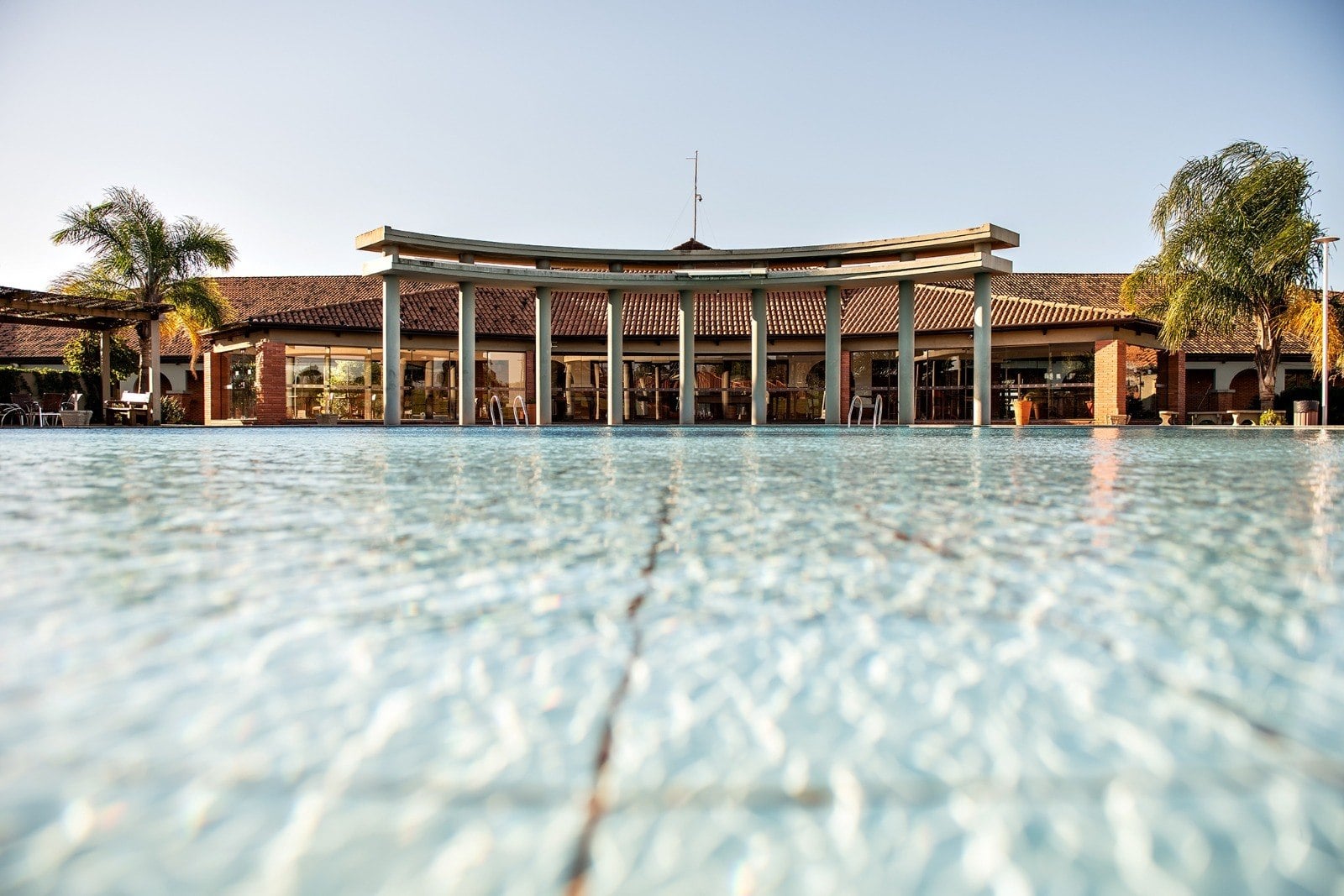
Tenonde Park Hotel
R$598 / night

Destination
Explore the rich Jesuit history in São Miguel das Missões. Visit the ruins and discover the Seven Peoples of the Missions in Rio Grande do Sul.
Sao Miguel Das Missoes · Brasil
Photos
Discover the landscapes and culture of São Miguel das Missões


Editorial guide with history, culture, and practical tips to plan your trip.
The Archaeological Site of São Miguel Arcanjo, better known by the population as the Ruins of São Miguel das Missões, represents one of the most important architectural and historical remnants in Rio Grande do Sul. This location is much more than just ruins; it is physical testimony to the former Jesuit reduction of São Miguel Arcanjo.
Originally established under the Spanish denomination of Misión de San Miguel Arcángel, this complex lived through a crucial period of Brazilian and South American history. It is part of the vast historical context of the so-called Seven Peoples of the Missions, a system of communities that profoundly shaped settlement and cultural relationships in the region.
Located in the eponymous municipality, São Miguel das Missões, the area is strategically situated in the vast and historic Northwest region of Rio Grande do Sul. The preservation of this archaeological site not only honors the legacy of the Jesuit Company but also rescues the memory of an intense and complex communal life, marked by the interaction between different peoples.
The history of the Ruins of São Miguel das Missões dates back to colonial times, when Jesuit missions spread throughout the region. The complex is the direct remnant of the reduction of São Miguel Arcanjo, a focal point of this vast missionary system that integrated the Seven Peoples of the Missions.
The original Spanish name, Misión de San Miguel Arcángel, reflects the religious and cultural influence of the period. Jesuit reductions were establishments designed to catechize and organize communities of indigenous peoples, mixing European architectural elements with structures adapted to the local environment.
Over the centuries, the Archaeological Site has preserved the memory of these historical processes. It narrates a period of intense cultural and social transformation in the Northwest Gaucho region, marking the trajectory of faith and communal living amid the vast pampas landscape.
The culture present at the Archaeological Site transcends the merely architectural aspect; it is a tapestry of cultural interactions. Its belonging to the so-called Seven Peoples of the Missions points to a complex and rich meeting between European civilization, represented by the Jesuit order, and various indigenous cultures.
It is possible to perceive vestiges of community life that flourished here. The material culture of the site—from architectural remains to the original layout of the reductions—is a mirror of a society organized around missionary values. This social organization influenced the subsequent cultural formation of the entire region.
Visiting the location thus allows one to immerse oneself in a culture that knew how to survive and resist, keeping alive the memory of a past where coexistence among different human groups defined the rhythm of life in the Northwest of Rio Grande do Sul.
Geometrically, São Miguel das Missões is situated at a vital historical point within the municipality named after the site. The location is marked by the Northwest region of the state of Rio Grande do Sul, an area of cultural and geographical transition in southern Brazil.
The layout of the Archaeological Site follows the traces of an ancient community planning, typically characteristic of Jesuit reductions. The local landscape was shaped both by the original nature of the region and by the development of these large agricultural and religious communities. Although the focus is on the set of remnants, it is embedded in a geography that historically supported the lives of many peoples.
The municipality is a nodal point in understanding the geographical aspect of the Brazilian missionary past, being an integral part of the cultural and historical map that defines the peculiar character of Gaucho south. Its position gives it relevance not only locally but nationally for studies of colonial settlements.
Since it is a site located in Rio Grande do Sul, the general climate of the region follows typical patterns of Southern Brazil, characterized as subtropical. Although the focus is on archaeological remnants, it is important to understand that these ruins are immersed in an environment influenced by temperate seasons.
The weather in the São Miguel das Missões area tends to vary between hot and milder periods, with seasonal changes influencing both the visual appearance of the location and the visitor experience. This pronounced continental climate is a factor that must be considered when planning any visit to the Northwest region.
Tourism in São Miguel das Missões is predominantly historical and cultural, focused on the archaeological experience. The main tourist attraction is undoubtedly the Archaeological Site of São Miguel Arcanjo.
Visitors are invited to traverse the remains of the old Jesuit reduction. It is an immersion into the past that allows visualization, through the preserved structures and vestiges, of daily life in Misión de San Miguel Arcángel. The tourist experience is a dive into the historical roots of Rio Grande do Sul.
This type of cultural tourism attracts lovers of colonial history, religious architecture, and archaeology, offering an educational journey that complements knowledge about the social and economic formation of the Seven Peoples of the Missions region. It is a destination for historical reflection.
A fascinating particularity of the location is its direct link to the so-called Seven Peoples of the Missions. This historical context defines not only the area but also a complex network of communities that coexisted and interacted in the Northwest Gaucho region.
It is important to note the linguistic and naming aspect: the ruins known as São Miguel das Missões carry the original Spanish name Misión de San Miguel Arcángel, reflecting the origin of the missionary organization. The site is therefore a historical palimpsest, where European names overlap with the cultural and ethnic roots of the peoples who lived there.
The survival of this set of archaeological remnants in its current state is a valuable testimony to the preservation of Brazilian heritage. It offers a unique view of interactions between different cultures during the colonial period, being fundamental for understanding regional identity formation.
Everything you need to know to plan your trip
Language
Portuguese
Reference figures to help plan your trip
Attractions
9
Selected stays available to book
104 travelers searched Sao Miguel Das Missoes this week
15 stays booked in Sao Miguel Das Missoes in the last 7 days
Must-sees, local secrets, experiences, and hotels — filter layers and tap the pins.
Everything you need to know to plan your trip
Get notified when hotel prices in São Miguel das Missões drop. No spam.
We use your email only to send this price alert. Unsubscribe anytime.
Extend your trip to incredible destinations nearby
Still unsure? See side-by-side comparisons to decide.
We personalize every moment of your journey — from iconic landmarks to hidden cultural gems.
Available 24/7 · Personalized consultations · Local expertise
Updated on July 27, 2026 · Methodology · Authors
Sources
Testimonials
Stories from travelers who have already visited. Share your experience — your comment appears in the cards below.
Visiting São Miguel das Missões exceeded all expectations. The energy of the place is contagious!
Daniel Figueiredo
Backpacker
We traveled as a family and São Miguel das Missões delighted kids and adults alike. Great hotel and attraction picks.
Graziela Pacheco
Repeat visitor
I arrived without a fixed itinerary and São Miguel das Missões surprised me at every corner. So welcoming.
João Victor
Traveler from Recife
Stayed near downtown and walked everywhere. São Miguel das Missões is even better on foot.
Monique Barbosa
Food enthusiast


