
Santa Lúcia
St Lucia Safari Lodge
R$576 / night

Destination
Discover the paradise of Saint Lucia! This Caribbean destination offers dazzling beaches, luxury resorts, and perfect weather for honeymooners. Plan your trip with Aeriva.
Santa Lucia · Brasil
Photos
Discover the landscapes and culture of Saint Lucia


Editorial guide with history, culture, and practical tips to plan your trip.
Saint Lucia, known in French as Sainte-Lucie, is a breathtaking island destination nestled in the vibrant heart of the Lesser Antilles. Located in the vast and lush Caribbean region, this country is not just a point on the map; it represents a tropical sanctuary where abundant nature meets a rich cultural tapestry.
As an independent island nation, Saint Lucia possesses unique Caribbean characteristics. Its current population, estimated at approximately 89,000 inhabitants, contributes to maintaining the welcoming atmosphere and gentle rhythm that attracts travelers from around the world. Being in Saint Lucia means immersing yourself in an environment where landscapes are dramatically green, contrasting with the deep blue of the surrounding seas.
Its geographical position is strategic and remarkable. The archipelago stands out in the Caribbean Antilles setting, situated near important neighbors such as Martinique, St. Vincent and the Grenadines, and Barbados. This proximity not only defines its geography but also contributes to a historical and cultural interconnection with other Caribbean nations.
The very name of the country is intrinsically linked to its history of maritime exploration, a detail that tells much about its trajectory. Indeed, the name "Saint Lucia" owes its origins to Christopher Columbus, a navigator whose passage occurred in 1502.
For those seeking a perfect combination of adventure and relaxation on paradisiacal beaches, Saint Lucia presents itself as an incomparable destination. It is the place where time seems to slow down, allowing visitors to enjoy the serene rhythm of Caribbean island life.
The historical narrative of Saint Lucia is deeply intertwined with the great European voyages and the subsequent colonization of the Americas. The starting point for understanding its past dates back to the 16th century, a period when this territory was a crucial stopping point on transatlantic routes.
A defining milestone in the island's history is the arrival of Christopher Columbus. According to historical records, he sailed through Caribbean waters and made a stop at Saint Lucia in the specific year of 1502. It was during this visit that the territory received the name it carries today: Saint Lucia.
This first mention and the subsequent use of the name by Columbus established the roots of national identity, poetically linking the destination to the era of great maritime explorers. Although the details of life before European arrival are too vast to recount fully with the provided data, it is clear that modern Saint Lucia flourished due to its island location and strategic role in Caribbean trade routes.
Over the centuries, the island absorbed influences from various cultures that passed through its ports, resulting in the rich cultural blend visible today. This historical journey has not only shaped its architecture but also defined its people, giving it a unique and vibrant Caribbean identity.
Keeping alive the memory of figures like Columbus is not just an academic exercise; it is part of the folklore and tourism narrative that enriches the country. The history of Saint Lucia tells, essentially, a saga of discovery, resilience, and unparalleled tropical beauty.
While specific details of Saint Lucia's cultural manifestations are not provided in the facts, its nature as a Caribbean island nation implies a rich cultural mosaic. The local culture is a direct result of the fusion between Caribbean, European (especially French and British, given its position within the British Commonwealth), and African influences.
This mix manifests intensely in its festivities, vibrant gastronomy, and daily traditions. Saint Lucia's culture is marked by a strong sense of community, where people live at the slow, harmonious pace typical of tropical islands.
Local folklore is profoundly linked to the sea and the lush nature that surrounds it. Cultural activities often revolve around natural cycles—from harvests to summer festivals, utilizing the constant tropical climate.
Local art and music reflect this cultural synergy: pulsating Caribbean rhythms combined with soft melodies that evoke the tranquility of coastal life. Handicrafts also tell stories, using natural materials abundant on the islands, such as exotic woods and vegetable fibers.
Hospitality is perhaps the most evident cultural trait. Hosting a visitor in Saint Lucia is an act of natural generosity, an expression of the Caribbean spirit that makes this destination a profoundly welcoming place for all travelers.
Saint Lucia possesses a unique and highly sought-after geographical location. It is categorized as an island nation in the Lesser Antilles, a portion of the Caribbean known for its natural diversity and geological formation marked by volcanic activity and maritime influences.
Its position is crucial: it is strategically located in the Caribbean Sea. The proximity to other important Caribbean territories, such as Martinique, St. Vincent and the Grenadines, and Barbados, gives it constant maritime interconnection, while also keeping it within a distinctive natural environment.
Geographically, the island is a testament to the force of nature. The terrain presents notable variations, combining white-sand beaches and natural pools with mountainous areas that elevate lush tropical vegetation. This diversity ensures stunning landscapes in every corner of the archipelago.
The existence of this island nation grants it its own microclimate, dictated by constant maritime influence and Caribbean weather. Physical geography is the pillar of local life, determining transportation means—mostly maritime and short land routes—and shaping the economy around natural resources.
Proximity to large oceanic masses not only guarantees crystal clear waters for diving and recreation but also places it in the most active and vibrant geographical circuit on the planet: the Caribbean Sea.
Due to its location in the Lesser Antilles of the Caribbean, Saint Lucia's climate is characteristically tropical. This means the region enjoys high and consistent temperatures throughout almost the entire year, making it an ideal destination for those seeking warmth and beaches.
The climate regime can be classified as hot maritime. The constant influence of the ocean ensures a gentle breeze that cushions any excess heat, creating an almost perfect comfort for tourists. The dry season and wet season follow predictable patterns, allowing travel planning to be made with precision.
Life in Saint Lucia is marked by this climatic stability. Caribbean sun shines intensely for most of the year, creating the perfect backdrop for water sports and outdoor activities. The average temperature sustains an atmosphere of eternal vacation.
Although there are seasonal rains, these tend to be short and torrential, not drastically compromising tourist activities. The climate is thus one of the country's greatest assets, sustaining leisure tourism in its purest form.
The beauty of Saint Lucia's Caribbean climate lies in its consistency: it invites visitors to stay for long periods, enjoying the pleasant warmth and always vibrant landscapes under a deep blue sky.
Saint Lucia is internationally recognized as a premium tourism destination, focused on a holistic experience that combines paradisiacal beaches, ecotourism, and tranquil luxury. The tourism sector is the economic engine of the island nation.
The main tourist appeal resides, undoubtedly, in its white-sand beaches and turquoise Caribbean waters. The most popular recreational activity involves water sports, such as diving, snorkeling, and catamaran cruises, allowing visitors to explore the colorful marine life inhabiting the surrounding waters.
Beyond the beaches, ecotourism is a strong component. Trails through lush hills offer spectacular panoramic views of the archipelago and the ocean. Exploring local nature allows tourists to connect intimately with Caribbean wildlife.
For those seeking absolute rest, there is a vast hotel offering ranging from ultra-exclusive luxury to boutique comfort, catering to all types of travelers. The relaxed pace of island life encourages wellness and rejuvenation tourism.
The tourist attraction is also boosted by the rich local gastronomy, which uses fresh seafood and tropical ingredients in flavorful dishes. Cultural tours, exploring history from Columbus's passage to the present day, enrich the visitor experience.
In summary, Saint Lucia offers a complete tourism package: adrenaline on the beaches, peace in the mountains, and depth in the culture, all in one Caribbean destination.
The name "Saint Lucia" carries with it a historical time capsule. The origin of its title is directly linked to Christopher Columbus's passage in 1502. This date marks the beginning of external documentation of the territory and fixed a name that endures today, telling a fascinating story about great explorers.
It is interesting to note how island geography completely shapes the daily life of its inhabitants. Being in Saint Lucia means living in constant dialogue with the ocean, where Caribbean waters and beaches are a vital component of its identity and economy.
The country's population, estimated at about 89,000 people, is relatively small for an island nation. This factor contributes directly to maintaining the intimate and communal feeling that tourists seek. It is the charm of being a place where everyone knows each other and life moves slowly.
As part of the Lesser Antilles, Saint Lucia shares a vibrant cultural connection with its nearby Caribbean neighbors – such as Martinique and St. Vincent. This proximity generates cultural influences that constantly enrich the country's daily life.
Despite the small population, the diversity of landscapes is immense. From calm coves to steep green hills, geology and botany work together to offer a natural spectacle that few nations in the Caribbean can equal.
Everything you need to know to plan your trip
Reference figures to help plan your trip
Attractions
9
Selected stays available to book
119 travelers searched Santa Lucia this week
21 stays booked in Santa Lucia in the last 7 days
Santa Lúcia
R$576 / night
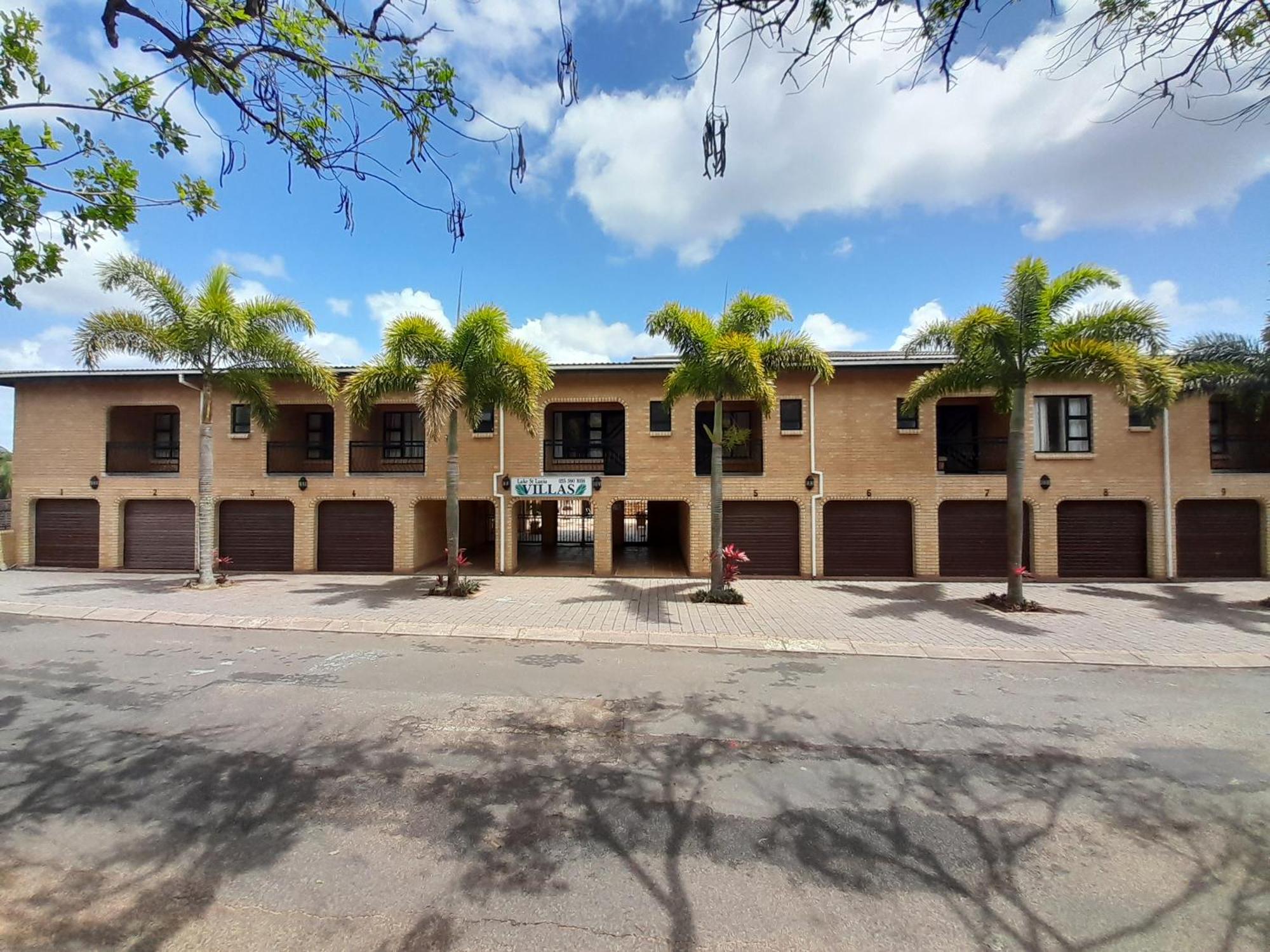
Santa Lúcia
R$542 / night
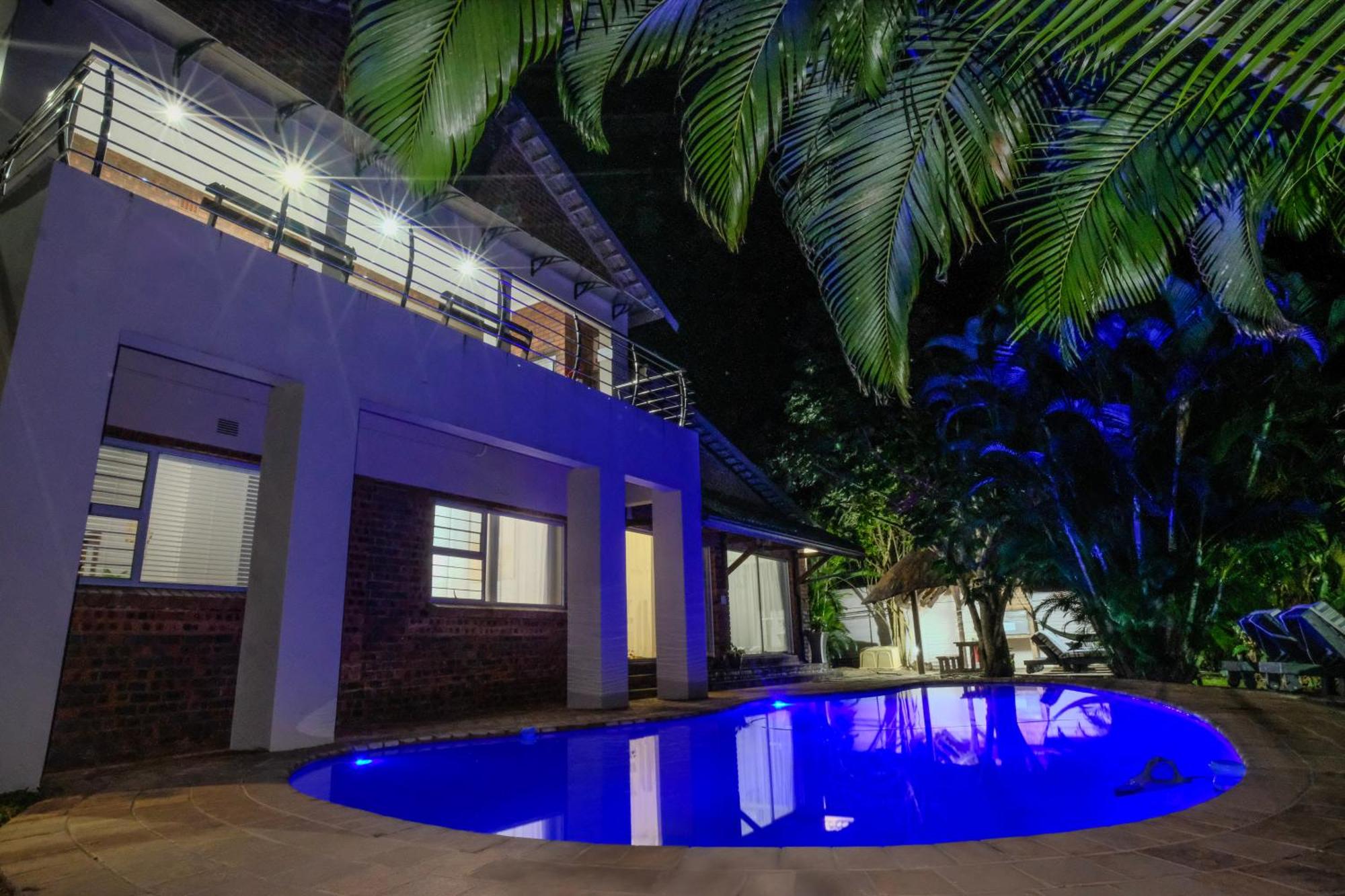
Santa Lúcia
R$607 / night

Santa Lúcia
R$1,319 / night

Santa Lúcia
R$957 / night

Santa Lúcia
R$614 / night

Santa Lúcia
R$607 / night

Santa Lúcia
R$497 / night

Santa Lúcia
R$21,636 / night

Santa Lúcia
R$777 / night

Santa Lúcia
R$1,138 / night
Must-sees, local secrets, experiences, and hotels — filter layers and tap the pins.
Everything you need to know to plan your trip
Get notified when hotel prices in Saint Lucia drop. No spam.
We use your email only to send this price alert. Unsubscribe anytime.
Extend your trip to incredible destinations nearby
Still unsure? See side-by-side comparisons to decide.
We personalize every moment of your journey — from iconic landmarks to hidden cultural gems.
Available 24/7 · Personalized consultations · Local expertise
Updated on July 27, 2026 · Methodology · Authors
Sources
Testimonials
Stories from travelers who have already visited. Share your experience — your comment appears in the cards below.
Visiting Saint Lucia exceeded all expectations. The energy of the place is contagious!
Simone Aragão
Traveler from Salvador
We traveled as a family and Saint Lucia delighted kids and adults alike. Great hotel and attraction picks.
Wagner Lisboa
Traveler from Manaus
I arrived without a fixed itinerary and Saint Lucia surprised me at every corner. So welcoming.
Arthur Klein
Tourist from Germany
Stayed near downtown and walked everywhere. Saint Lucia is even better on foot.
Cíntia Rodrigues
Family with kids


