Dijon
Campanile NATURE - Dijon Est Saint-Apollinaire
R$628 / night

Destination
Explore Saint-Apollinaire! Discover perfect itineraries and tips for your trip. Uncover French culture, history, and gastronomy across diverse locations (France & Canada).
Saint-Apollinaire · Brasil
Photos
Discover the landscapes and culture of Saint-Apollinaire


Editorial guide with history, culture, and practical tips to plan your trip.
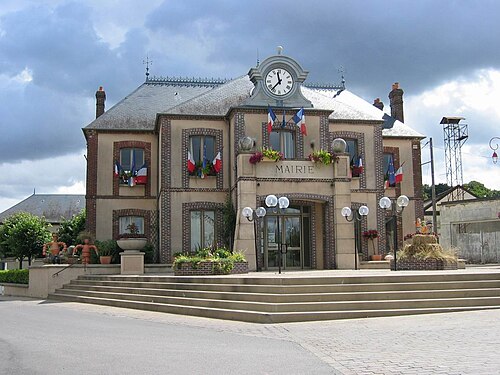
Saint-Apollinaire is not a singular destination, but rather a name that echoes through various French-speaking regions and cultures deeply rooted in European historical legacy. For the modern traveler interested in exploring the cultural wealth of France or the unique scenery of Francophone Canada, this name points to a series of distinct communities: Saint-Apollinaire in the Hautes-Alpes (France), in Côte-d'Or (France), in Québec (Canada), and also Saint-Apollinaire-de-Rias. This geographical multiplicity enriches the fascination for any of the locations, as it carries with it the essence of French tradition that crosses borders.
The name evokes a sense of ancient history and connection to old Christian roots, suggesting vibrant communities where traditions remain alive. Regardless of which Saint-Apollinaire the traveler is visiting – whether in the mountain landscapes of the French Alps, the rural charm of Burgundy, or the welcoming environment of Québec – the promise is always the same: a deep immersion into Francophone culture and beauty.
The variety of locations associated with the name Saint-Apollinaire allows tourists to customize their experience. Whether seeking winter sports in the Hautes-Alpes, diving into the historical vineyards of Côte-d'Or, or discovering the pioneering spirit in Québec, a historic and cultural trail awaits discovery.
The history of the different Saint-Apollinaire locations is intrinsically linked to migration routes and the power of French culture. The name suggests an ancient religious origin, often associating the community with Saint Apollonia, a patron figure that lends a deep sense of historical identity to its inhabitants.
When we look at the Saint-Apollinaire located in France – such as those in Hautes-Alpes or Côte-d'Or – we find communities with centuries of history. These regions were crucial points in the development of Gallo-Roman civilization and subsequently integrated into the cultural power of the French Empire, maintaining their architectural and social traditions.
In the Canadian context, Saint-Apollinaire in Québec narrates fascinating chapters of colonial history. Here, the French presence is a testament to cultural resilience and the continuity of a language and way of life that have resisted time and external influences. These communities have not only maintained their traditions but have also shaped the social fabric of modern Québec.
The variation of the name in Saint-Apollinaire-de-Rias also points to this historical complexity, showing how the same nominal pattern can be replicated and adapted by different groups across vast geographical areas. It is this historical superposition that makes exploring these locations so rich; every corner tells a different story, but all share the connecting thread of French heritage.
The culture in Saint-Apollinaire is a vibrant mosaic of European traditions and local adaptations. The strong sense of community and the preservation of languages and customs are hallmarks, regardless of the exact location.
In locations within France (Hautes-Alpes and Côte-d'Or), the culture is deeply marked by the rhythm of rural life, seasonal festivities – be it the festive atmosphere of wine markets or the vibrant energy of Alpine celebrations. The cuisine, for example, reflects this millennia-old gastronomic heritage, with dishes that use local ingredients and techniques passed down through generations.
In Québec, the cultural aspect is defined by the strong link between Francophone roots and nature. The culture incorporates elements of maritime folklore, winter festivities (like carnivals), and a warm hospitality that welcomes both descendants and visitors.
In all mapped points – from the Hautes-Alpes to Québec – living art manifests through traditional architecture, which preserves local style, and craftsmanship. It is an invitation for the traveler not just to be an observer, but an active participant in celebrating these millennia-old traditions.
The geography of the various Saint-Apollinaire locations is extremely diverse, reflecting the vast territorial extent of Francophone civilization. This geographical diversity is, in itself, the biggest attraction for travel enthusiasts seeking landscape contrasts.
In the case of Hautes-Alpes (Saint-Apollinaire), the dominant geography is mountainous. The communities are nestled in fertile valleys, surrounded by majestic peaks and the dramatic beauty of the Alpine ranges. This setting offers everything from dazzling panoramic views to crystal-clear rivers cutting through the slopes.
In Côte-d'Or, the geographical panorama changes radically to softer landscapes associated with viticulture and rolling hills. It is a ideally flat scene in some areas, but with perfect inclines for cultivating noble grapes, creating a geography culturally defined by wine.
The Saint-Apollinaire located in Québec operates within a geography that transitions between dense forest and navigable rivers. It is an environment that mixes colonial charm with the vastness of North America, offering access to both wild interior and historical urban infrastructure.
This variation — mountains, vineyards, and river plains — ensures that any trip under this name is a geography lesson in itself. The traveler can expect everything from the harsh cold of the Alpine climate to the mild temperatures of river valleys.
The climate varies drastically between locations, requiring tourists to be prepared for different atmospheric conditions and seasons during their itinerary. This climatic diversity is a key element of the travel experience.
For Saint-Apollinaire in the Hautes-Alpes, the climate is typically Alpine. This implies long, rigorous, and snowy winters, perfect for winter sports; fresh summers with mild temperatures, ideal for high-altitude hiking, but requiring layers due to rapid changes in weather.
In contrast, Saint-Apollinaire in Côte-d'Or enjoys a temperate continental climate. Winters are milder than the Alps, and summers are hot and sunny. This seasonality is perfect for the grape harvest, defining the annual rhythm of local life.
Saint-Apollinaire in Québec presents a harsh continental climate, famous for its four well-defined seasons. Winters can be extremely cold (characteristic of Canada), but summers are vibrant and hot, allowing for an explosion of outdoor cultural life.
Therefore, the visit must be planned with attention to dates to enjoy the best that each climate has to offer: exuberant snow in the Alps, harvests in the heart of France, or spring and summer festivals in Québec.
The tourist appeal of Saint-Apollinaire is extremely multifaceted. It is not just about visiting a city; it's about diving into different ways of life, depending on the chosen destination.
For those seeking adventure and adrenaline, the focus will be on the Hautes-Alpes, where winter sports (skiing, snowboarding) and summer trails dominate the offering. Tourist activity here is synonymous with physical challenge and contact with the grandeur of the Alpine nature.
Food and wine lovers will be drawn to Saint-Apollinaire in Côte-d'Or, where enological routes are the main itinerary. Visits to wineries, tastings, and themed dinners form the backbone of tourism in this region, mixing history with flavor.
The tourist who chooses Québec experiences immersive cultural tourism. Exploration involves wandering through colonial neighborhoods, museums dedicated to Francophone history, and enjoying urban life at a Canadian pace, yet always tempered by European tradition.
In summary, Saint-Apollinaire caters to the adventure traveler (Alps), the gourmet/historian (Côte-d'Or), and the enthusiast of colonial cultures (Québec). The choice of destination should be guided by the type of experience that resonates most with the spirit of the trip.
One of the most notable curiosities about the various Saint-Apollinaire locations is how they preserve their cultural identity amid globalization. The name, even when repeated geographically, carries a core of almost palpable tradition.
It is fascinating to observe that despite the distance between Hautes-Alpes, Côte-d'Or, and Québec, the shared cultural elements – the use of French language as a central element of identity and architecture referencing the rural or colonial past – create a cohesive feeling for the traveler. This is a testament to the cultural power of the Francophone region.
Another curious point lies in the historical importance of the name itself, which may originate from legends or ancient religious patronage, linking the communities to sacred figures of great popular veneration. This spiritual root contributes to the atmosphere of respect and tradition felt in the places.
Finally, the very fact that the name Saint-Apollinaire appears in different countries (France and Canada), but always linked to specific Francophone cultural contexts, is a fascinating case study on cultural diaspora. It means that when traveling to any of these destinations, the guest is participating in a much broader historical narrative than just their tourist itinerary.
Everything you need to know to plan your trip
Reference figures to help plan your trip
Attractions
9
Selected stays available to book
74 travelers searched Saint Apollinaire this week
6 stays booked in Saint Apollinaire in the last 7 days
Must-sees, local secrets, experiences, and hotels — filter layers and tap the pins.
Everything you need to know to plan your trip
Get notified when hotel prices in Saint-Apollinaire drop. No spam.
We use your email only to send this price alert. Unsubscribe anytime.
Extend your trip to incredible destinations nearby
Still unsure? See side-by-side comparisons to decide.
We personalize every moment of your journey — from iconic landmarks to hidden cultural gems.
Available 24/7 · Personalized consultations · Local expertise
Updated on July 27, 2026 · Methodology · Authors
Sources
Testimonials
Stories from travelers who have already visited. Share your experience — your comment appears in the cards below.
Visiting Saint-Apollinaire exceeded all expectations. The energy of the place is contagious!
Simone Aragão
Traveler from Salvador
We traveled as a family and Saint-Apollinaire delighted kids and adults alike. Great hotel and attraction picks.
Wagner Lisboa
Traveler from Manaus
I arrived without a fixed itinerary and Saint-Apollinaire surprised me at every corner. So welcoming.
Arthur Klein
Tourist from Germany
Stayed near downtown and walked everywhere. Saint-Apollinaire is even better on foot.
Cíntia Rodrigues
Family with kids