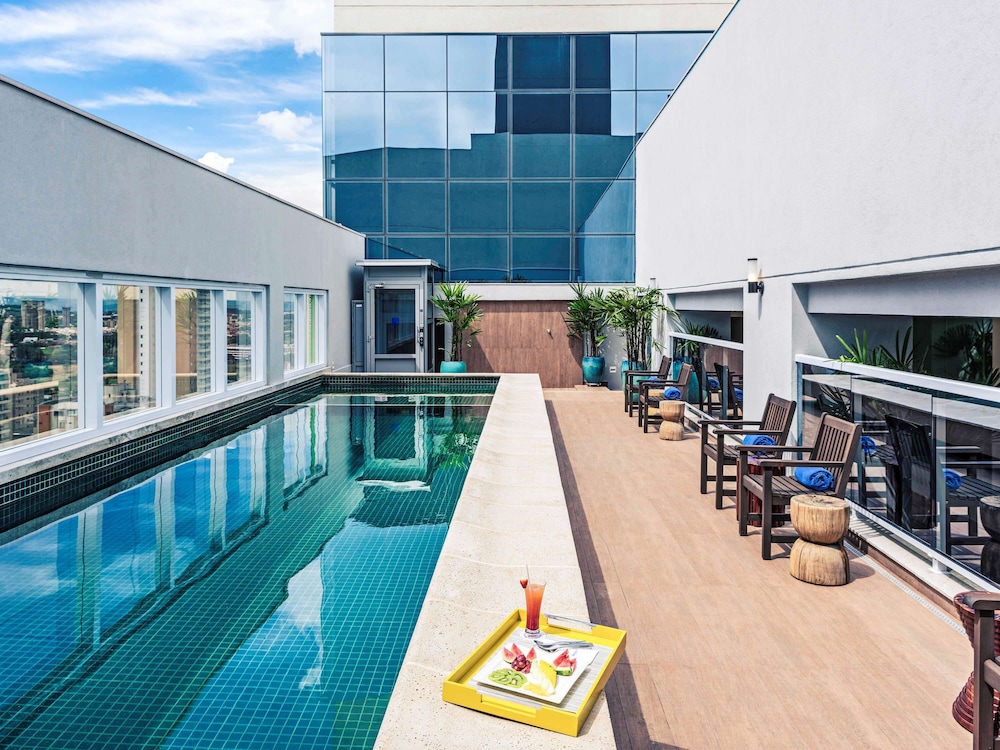
Black Stream
Transamerica Ribeirao Preto
R$547 / night

Destination
Discover Ribeirão Branco, a charming municipality in the interior of São Paulo. Explore local culture and plan your escape to this peaceful Paulista city.
Ribeirao Branco · Brasil
Photos
Discover the landscapes and culture of Ribeirão Branco


Editorial guide with history, culture, and practical tips to plan your trip.
Welcome to Ribeirão Branco, an enchanting municipality nestled in the heart of the state of São Paulo. Known for its tranquility and the welcoming atmosphere typical of Paulista countryside towns, Ribeirão Branco offers visitors an immersion into Brazilian community life.
This is a destination that combines the serene rhythm of rural life with the necessary infrastructure to ensure comfort and excellent experiences. The city caters both to local residents and tourists seeking a break from urban hustle, celebrating the unique identity formed by its administrative center and neighboring districts.
Based on the latest data from the 2022 IBGE census, Ribeirão Branco has an estimated population of 18,627 inhabitants. This number reflects a vibrant community that maintains its historical roots while developing toward a promising future. The municipality is composed of different areas: the main headquarters and the established districts of Campina de Fora and Itabôa, giving the area diverse geographic and cultural richness.
While specific chronological details require deeper research, it is possible to draw a historical panorama of Ribeirão Branco as part of the rich tapestry of São Paulo's interior. Like many neighboring municipalities, the development of Ribeirão Branco is intrinsically linked to the cycle of agricultural activities that historically shaped São Paulo.
The formation of the municipality, serving as an important residential and administrative area, is a testament to the progressive territorial occupation of Paulista lands. The current structure reflects the natural evolution of small population centers that grew due to the need for services in surrounding rural areas. The fact that the municipality consists not only of the urban headquarters but also districts like Campina de Fora and Itabôa indicates an organic settlement process, where life spread through rural properties until a robust municipal identity was consolidated.
This history of gradual development gives the location a sense of permanence and authenticity. It is in the memory of these communities that the visitor can feel the pulse of time, in contrast to the speed of large metropolises. The trajectory of Ribeirão Branco is a narrative of deep roots in the Paulista soil.
The culture of Ribeirão Branco is a vibrant mosaic where rural traditions coexist harmoniously with more urbanized cultural traits. It is an environment that values community gatherings and the preservation of typical Paulista interior festivals.
In daily life, the rhythm of local culture is dictated by the coexistence between the main headquarters and the distinct characteristics of its districts: Campina de Fora and Itabôa. This division is not merely geographic but also cultural, keeping alive the particularities of each community.
The crafts, regional cuisine—which uses fresh ingredients typical of the countryside—and local folklore are powerful cultural expressions. Ribeirão Branco's culture is deeply marked by hospitality and a strong sense of family that characterizes the people of São Paulo's interior. Community events, whether religious festivals or civic celebrations, reinforce this cultural bond of belonging.
When strolling through the streets and areas of the districts, the visitor not only observes buildings and houses but witnesses a lifestyle where traditions are passed down from generation to generation, ensuring that the Ribeirão Branco identity remains alive and palpable.
Located in the interior of São Paulo state, Ribeirão Branco occupies a strategic geographic position within the Paulista region. Its location guarantees access to natural beauty and typical ecosystems found in the biomes permeating the area.
From a territorial point of view, the municipality is structured by the harmonious coexistence between a central urban nucleus—the headquarters—and extensive rural areas represented by the districts of Campina de Fora and Itabôa. This geographic division not only delimits administrative borders but also defines different ways of life.
The geographical features vary significantly between the central area, with its more leveled topography for urban development, and the districts, where the relief is typically rural, marked by farms and agricultural landscapes. The presence of these three components—the headquarters, Campina de Fora, and Itabôa—creates a diverse geographic panorama, allowing visitors to explore everything from urban architecture to vast countryside landscapes.
This balanced geographical composition is part of Ribeirão Branco's charm, offering a complete experience that embraces both concrete structures and open fields.
Ribeirão Branco is situated within the general climate context of São Paulo state, presenting a highland tropical climate across much of its extent. The Paulista climate is characterized by well-defined seasons and influenced by both moist air masses and typical interior climatic variations.
Temperatures tend to be mild, with hot summers and cooler winters, although variations are notable. This seasonality contributes to the exuberance of local vegetation and the life cycle of agriculture practiced in the districts' region.
It is important for visitors to prepare for the climate transition. The climate is a determining factor in the rhythm of local life, influencing agricultural activities in Campina de Fora and Itabôa, for example. Rainfall is essential for maintaining the lush green of the rural landscapes, giving the region a color palette that changes dramatically throughout the year.
It is always recommended to check the local weather forecast before traveling, as, common in inland regions, small meteorological variations can directly influence planned excursions and activities.
Tourism in Ribeirão Branco operates under the banner of “experience and immersion travel.” Far from large superficial tourist routes, the focus here is to allow the visitor to connect with the peaceful rhythm of inland life. The destination attracts those seeking peace, contact with nature, and the richness of local traditions.
Tourist activities can be divided between urban attractions in the main headquarters and rural outings in the districts of Campina de Fora and Itabôa. Visits allow exploration of local commerce, participation in free markets celebrating typical regional products, and enjoyment of the charm of central squares.
For those seeking ecotourism or a quiet retreat, the districts are perfect. It is possible to take rural tours, gastronomic tastings of agricultural products, and simply walk through the fresh air permeating these areas. Charming inns and lodging options that value the local lifestyle complement the tourist experience.
In summary, Ribeirão Branco offers authentic tourism: a pause to slow down, absorb the Paulistano interior culture, and rediscover the pleasure of simplicity amidst the beautiful landscapes of the state.
The name itself, Ribeirão Branco, already refers to natural elements—'ribeirões' (stream/creeks) and 'branco' (white), suggesting a connection with clean waters and a scene of peace. This toponymic origin helps reinforce the feeling of tranquility surrounding the municipality.
One of the most striking particularities of the destination is its administrative structure composed of multiple population centers: the main headquarters, along with Campina de Fora and Itabôa. This arrangement shows a history of well-established and integrated community development.
While specific details about legends or historical landmarks are too vast to cite in a general overview, what is undeniable is the resilience and sense of community that permeates every corner. The population, estimated at 18,627 inhabitants (according to 2022 data), forms a cohesive social body that preserves its traditions. Being in Ribeirão Branco means actively participating in this rich and welcoming community.
A trip here is not just about visiting tourist spots; it is a journey to understand the slow but constant rhythm of life in the Paulista interior. It is a place that keeps authentic stories and flavors of deep Brazil.
Everything you need to know to plan your trip
Reference figures to help plan your trip
Attractions
9
Selected stays available to book
86 travelers searched Ribeirao Branco this week
7 stays booked in Ribeirao Branco in the last 7 days
Black Stream
R$547 / night

Black Stream
R$519 / night

Black Stream
R$411 / night

Black Stream
R$707 / night
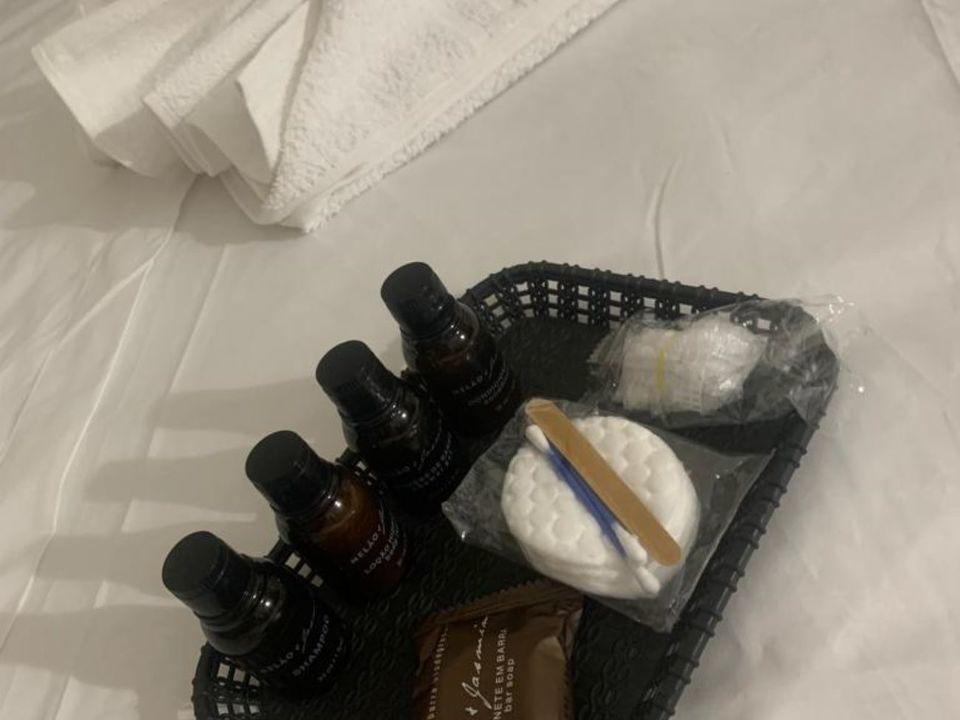
Black Stream
R$215 / night

Black Stream
R$684 / night

Black Stream
R$331 / night

Black Stream
R$352 / night

Black Stream
R$305 / night

Black Stream
R$388 / night

Black Stream
R$359 / night

Black Stream
R$379 / night
Must-sees, local secrets, experiences, and hotels — filter layers and tap the pins.
Everything you need to know to plan your trip
Get notified when hotel prices in Ribeirão Branco drop. No spam.
We use your email only to send this price alert. Unsubscribe anytime.
Extend your trip to incredible destinations nearby
Still unsure? See side-by-side comparisons to decide.
We personalize every moment of your journey — from iconic landmarks to hidden cultural gems.
Available 24/7 · Personalized consultations · Local expertise
Updated on July 27, 2026 · Methodology · Authors
Sources
Testimonials
Stories from travelers who have already visited. Share your experience — your comment appears in the cards below.
Visiting Ribeirão Branco exceeded all expectations. The energy of the place is contagious!
Ingrid Viana
Honeymoon
We traveled as a family and Ribeirão Branco delighted kids and adults alike. Great hotel and attraction picks.
Leandro Meirelles
Traveler from Porto Alegre
I arrived without a fixed itinerary and Ribeirão Branco surprised me at every corner. So welcoming.
Olívia Fontes
Traveler from Brasília
Stayed near downtown and walked everywhere. Ribeirão Branco is even better on foot.
Simone Aragão
Traveler from Salvador
