Paço do Frevo
Conheça a história vibrante e ritmada do frevo pernambucano neste espaço cultural dedicado à música. É um mergulho na alma artística de Recife.

Destination
Discover Recife, the vibrant capital of Pernambuco. Known as Brazil's Venice for its historic bridges and beautiful Northeast coastlines.
Recife · PE · Brasil
Photos
Discover the landscapes and culture of Recife


Editorial guide with history, culture, and practical tips to plan your trip.
Recife is much more than a simple capital; it is a vibrant portal to the cultural and historical heart of the Brazilian Northeast Region. As the seat of Pernambuco state, this metropolis pulses with a unique energy, blending the grandeur of modern development with the rich colonial heritage that shaped every corner of its streets. Strategically located on the northeastern coast, Recife has established itself as a crucial center not only regionally but also nationally.
In terms of infrastructure and urban planning, the municipality possesses singular geographical characteristics that define its pace of life. Its main features consist of an alluvial plain, an extremely fertile type of soil influenced by the action of rivers and the sea over time. This natural formation not only defines the landscape but also the residential and commercial development of the city.
From a demographic and social standpoint, Recife boasts impressive figures for a northeastern capital. The municipality has an extremely populous urban agglomeration, recognized as the fifth largest in terms of urban concentration in Brazil. In 2022, its estimated population reached 3.7 million inhabitants, placing the city on par with—and competing only with—the country's most prominent mega-cities: São Paulo, Rio de Janeiro, Belo Horizonte, and Brasília.
Beyond its population aspect, human development is a fundamental pillar of Recife’s identity. The Pernambucan capital holds the best Human Development Index (HDI) within its northeastern region. This index not only confirms socioeconomic progress and quality of life for its residents but also positions Recife as a highly efficient federal management hub, recognized as the fourth Brazilian capital in this type of hierarchy, trailing only the great urban powers of Brasília, Rio de Janeiro, and São Paulo. This combination of social excellence with complex geography makes it a fascinating destination.
Geographically, its structure is marked by powerful rivers and maritime elements such as islands, peninsulas, and mangroves. This aquatic characteristic not only enriches the natural beauty of the location but also directly influences transportation and the daily life of residents. It is why Recife is often nicknamed "Brazil's Venice," a deserved title due to the impressive number of bridges that cross its rivers.
Although historical details are not explicitly provided, the mention of its role as the capital of Pernambuco and its ancient structure suggests a rich trajectory deeply rooted in Brazilian colonial history. The founding of Recife is intrinsically linked to the occupation processes of the northeastern coast, a period that left indelible marks visible in its architecture and urban organization.
The evolution of the city reflects Brazil's economic and political dynamism. Population growth up to 3.7 million inhabitants is direct testimony to this historical resilience and ability to attract and retain talent over the centuries. The Pernambucan capital solidified itself as a vital center of regional power, ensuring its prominent position in Brazilian federal management.
Historically, topography influenced its development. Being built on an alluvial plain, shaped by river action, meant that waterways were not only geographical barriers but also vital axes of communication and commerce. Mangroves, islands, and peninsulas, in turn, added complex layers to urban life, dictating the rhythm of exchange and the constant need for bridges to connect communities.
This history is a narrative of adaptation: from the first settlements to becoming a hub recognized for its high HDI. The municipality's ability not only to survive natural challenges but also to prosper socioeconomically solidified Recife as one of the most important and historically significant cities in Brazil, holding the memory of its past cycles while projecting a vibrant future.
Recife's culture is a direct reflection of its complex geography and multifaceted history. Being in a city marked by rivers, bridges (earning it the nickname "Brazil's Venice"), islands, and mangroves means that water is a central cultural element. Artistic manifestations, community lifestyle, and even the rhythms of daily life are permeated by aquatic influence.
The rich culture of the Northeast region, where Recife is located, manifests itself in vibrant festivities, spicy cuisine, and deep religious syncretism. The capital not only preserves but also reinvents its traditions, ensuring that the colonial past constantly dialogues with modernity.
Having one of the best Human Development Indices (HDI) in the Northeast is a cultural indicator of success: it points to a society that values and invests in education, health, and well-being, fundamental pillars for maintaining any rich culture. This robust human development translates into vibrant museums, contemporary artistic manifestations, and a deep appreciation for knowledge.
Life in the city is a constant invitation to discovery in its multiple geographical layers. Every mangrove tells stories; every bridge represents a vital connection between communities separated by water. This interconnectivity makes Recife's culture a vivid and resilient mosaic, where Northeastern tradition meets the dynamism of a modern metropolis that has reached high levels of social management.
Recife possesses a fascinating and highly diverse geographical landscape. Located in Pernambuco state, in Brazil's Northeast Region, the city is defined by its unique natural dimensions and structures. Its territorial area covers approximately 218 km², but its spatial identity goes far beyond this number.
The predominant element in its geographic formation is the concept of the alluvial plain. This type of plain is created by the gradual deposition of sediments brought by rivers over time, resulting in fertile soil and relatively low topography. This geological characteristic deeply influences urban development, creating areas suitable for the population expansion that currently counts 3.7 million inhabitants.
The most notable aspect of Recife's geography are its aquatic elements. The city is characterized by a complex interaction between islands, peninsulas, and vast mangrove areas. This fluvial and coastal mix gives the metropolis an urban layout reminiscent of Brazilian Venice, due to the sheer number of bridges required to connect its different parts.
Beyond its central core, Recife's geographic influence is notable on a large regional scale. Acting as a centralization hub for development, the capital exerts its influence over three other important state capitals: João Pessoa, 122 km away; Maceió, 257 km away; and Natal, further out at 286 km. This regional scope solidifies its role as an undeniable gravitational center in the formation of the Brazilian Northeast.
While climatic details are not provided, it can be inferred that Recife's climate is directly linked to its coastal location and the influence of the alluvial plain. As a litorane destination in the Northeast Region, the city typically enjoys a tropical hot climate, with high humidity and elevated temperatures.
Proximity to the Atlantic Ocean moderates extreme temperature variations but also guarantees a constant atmosphere of heat. The influence of rivers and mangroves helps maintain a sense of coolness in certain areas, despite the characteristic tropical heat.
The climatic regime is typically marked by an alternation between wetter periods and dry spells, characteristics common to the Brazilian coast. However, the determining factor in the city's daily life is the constant presence of water—whether from the open sea or navigable rivers that cross its alluvial plain.
It is this fusion of intense tropical climate and constant water presence that shapes the lifestyle. Outdoor activities, strolls across bridges, and living among mangroves are possible precisely because of the unique interaction between the exuberant natural environment and the tropical climatic conditions of the Northeast.
Recife is a tourist destination that caters to both the cultural traveler and those seeking coastal relaxation. Its tourism proposition is a celebration of life on water, exploring its unique identity as "Brazil's Venice".
Tourism in Recife develops through a powerful combination: historical heritage dating back to the colonial era; mangrove and island tours offering an intimate connection with the wild nature of the alluvial plain; and, of course, the vitality of its coastal beaches. The natural beauty of its rivers, bridges, and mangrove ecosystem makes water activities unmissable.
Furthermore, Recife's status as a capital with a high Human Development Index (HDI) attracts tourism that values culture and knowledge. Visitors can engage in exploring local cuisine, following regional artistic manifestations, and discovering the multiple historical and cultural centers that compose its different areas.
The fact of being a pole with significant regional influence (covering João Pessoa, Maceió, and Natal) elevates the city's tourist profile, making it a connection point for tourists interested in exploring all the richness of the Brazilian Northeast. Whether strolling across the bridges crossing the rivers or enjoying the landscapes formed by the interaction between alluvial plains and mangroves, Recife guarantees a rich and surprising tourist experience.
Recife holds a collection of geographic and social curiosities that make it truly unique in the Brazilian scenario. The most emblematic is its affectionate nickname: "Brazil's Venice." This title is not merely a metaphor but a direct reflection of its geography built over powerful rivers, forcing the development of an impressive network of bridges linking its various islands and peninsulas.
Another curious point lies in the complexity of its urban agglomeration. With 3.7 million inhabitants in 2022, it is a massive population center that developed over an alluvial plain, adapting its infrastructure to such present aquatic elements. Life here requires constant interconnection and remarkable engineering to maintain human and economic flow.
Recife's social and economic success also deserves mention as a curiosity. Having the best Human Development Index (HDI) among the northeastern capitals is an achievement that places the city at a national level of excellence, overcoming historical challenges with management and focus on quality of life.
Finally, one cannot ignore its regional influence. The fact that Recife exercises such a broad sphere of influence—extending over 300 km to reach João Pessoa, Maceió, and Natal—demonstrates its power as an economic and cultural engine that transcends municipal limits. It is this combination of singular aquatic geography, advanced human development, and central role in the Northeast that defines Recife's magical identity.
Everything you need to know to plan your trip
Language
Portuguese
Reference figures to help plan your trip
Attractions
9
Unforgettable adventures and memorable cultural moments
Conheça a história vibrante e ritmada do frevo pernambucano neste espaço cultural dedicado à música. É um mergulho na alma artística de Recife.
Um complexo cultural majestoso que abriga uma das mais importantes coleções de armas e arte da América Latina. Uma visita obrigatória para amantes de história e arquitetura.
O coração histórico da cidade preserva casarões coloridos, igrejas barrocas e um ritmo cultural inconfundível. Perfeito para passeios a pé explorando a arquitetura colonial.
A icônica orla de Recife é perfeita para caminhadas, banhos de mar e observar o pôr do sol. Alugue uma bicicleta ou experimente a gastronomia local nos quiosques.
Editorial guides to pick the right neighborhood and stay type
Carefully crafted journeys for different travel styles
A viagem perfeita para sentir o ritmo do Nordeste. Combine passeios na praia, imersões históricas, arte e a culinária local em cada dia.
View full itinerarySelected stays available to book
157 travelers searched Recife this week
Stays for these dates are among the most sought-after in Recife

Recife
R$1,204 / night

Recife
R$1,787 / night

Recife
R$1,064 / night
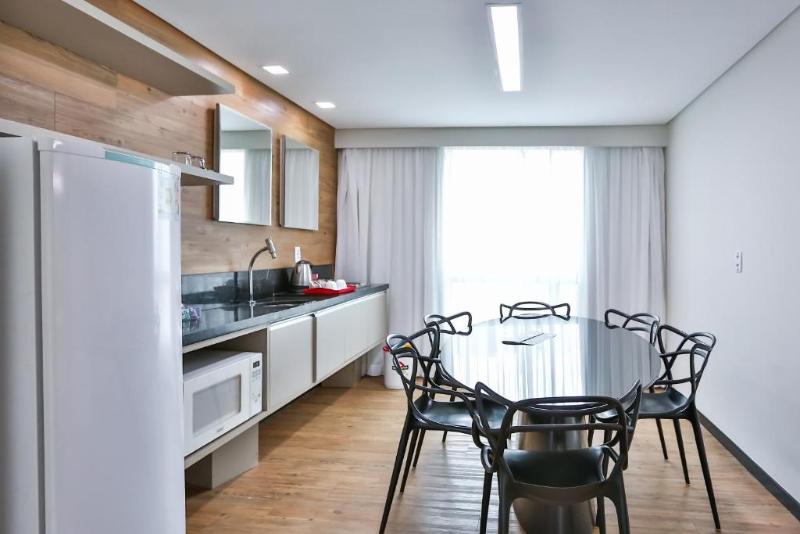
Recife
R$971 / night

Recife
R$1,321 / night

Recife
R$1,386 / night

Recife
R$1,511 / night

Recife
R$1,077 / night
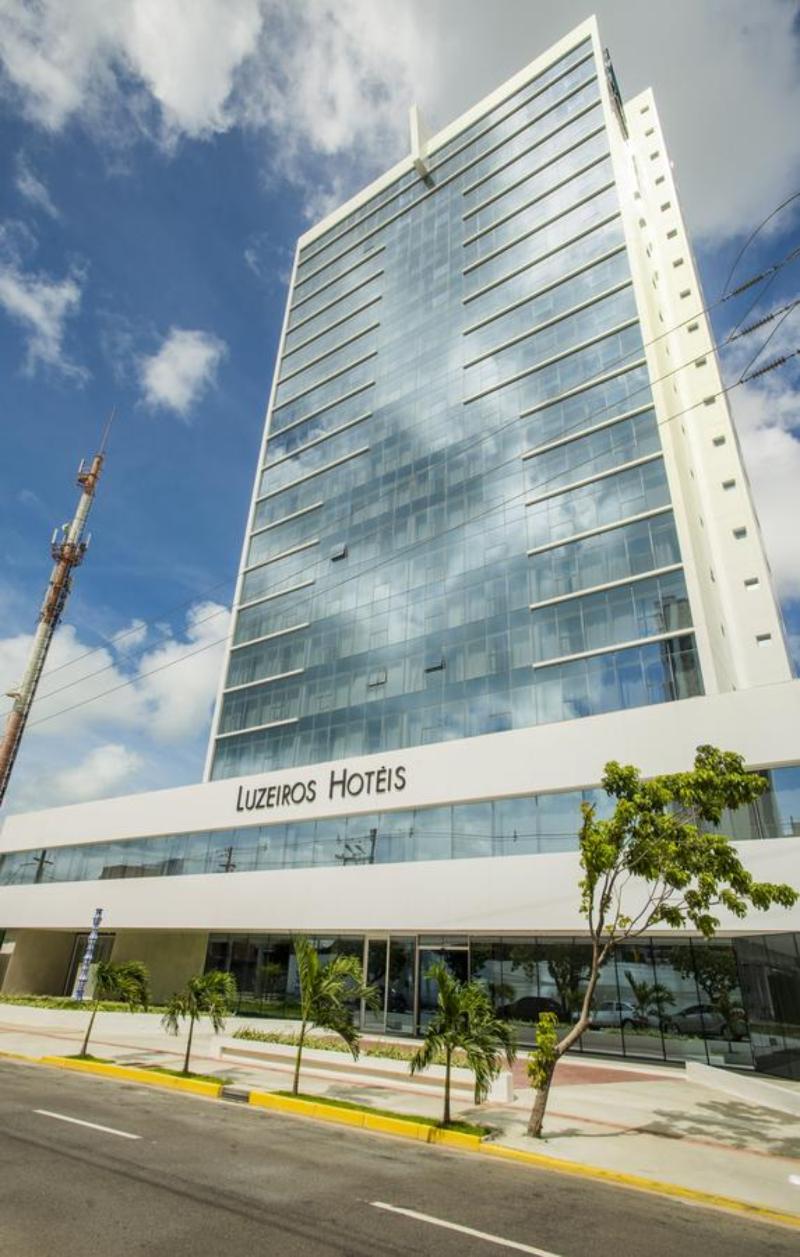
Recife
R$1,696 / night

Recife
R$1,116 / night

Recife
R$1,638 / night

Recife
R$1,563 / night
Compare options by price, location, and travel style — clean URLs for search engines.
Must-sees, local secrets, experiences, and hotels — filter layers and tap the pins.
Editorial guides to deepen your experience
Everything you need to know to plan your trip
Get notified when hotel prices in Recife drop. No spam.
We use your email only to send this price alert. Unsubscribe anytime.
Extend your trip to incredible destinations nearby
Still unsure? See side-by-side comparisons to decide.
We personalize every moment of your journey — from iconic landmarks to hidden cultural gems.
Available 24/7 · Personalized consultations · Local expertise
Updated on July 19, 2026 · Methodology · Authors
Sources
Testimonials
Stories from travelers who have already visited. Share your experience — your comment appears in the cards below.
Visiting Recife exceeded all expectations. The energy of the place is contagious!
Nelson Duarte
Retired couple
We traveled as a family and Recife delighted kids and adults alike. Great hotel and attraction picks.
Rafael Santoro
Photographer
I arrived without a fixed itinerary and Recife surprised me at every corner. So welcoming.
Valéria Nogueira
Family with teens
Stayed near downtown and walked everywhere. Recife is even better on foot.
Zélia Carmo
Traveler from Goiânia


