Quito
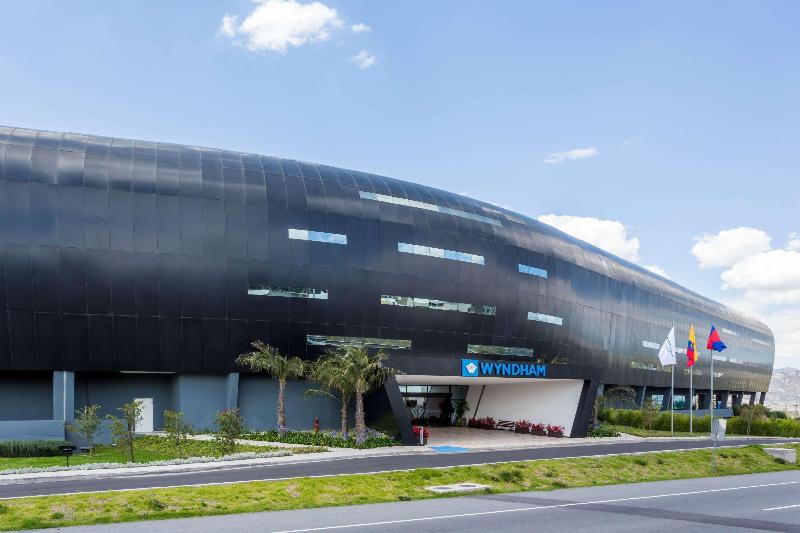
Wyndham Quito Airport
R$1,084 / night
Destination
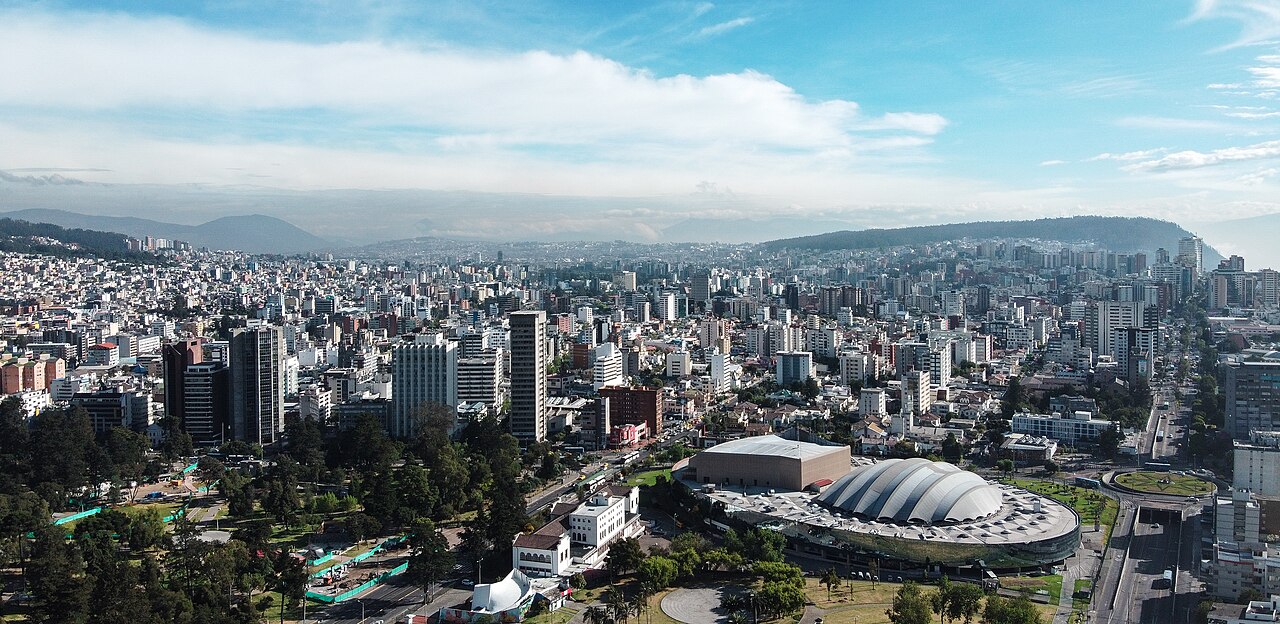
Discover Quito, a magical city in the Ecuadorian Andes. A destination rich with Inca history and UNESCO-recognized colonial beauty.
Quito · Brasil
Photos
Discover the landscapes and culture of Quito


Editorial guide with history, culture, and practical tips to plan your trip.
Quito is a vibrant and historically rich metropolis, situated in the heart of northwestern South America. Recognized as the capital of Ecuador, this city not only plays a central political role for the country but also establishes itself as an important demographic and cultural hub in the Andean region. Its history is intrinsically linked to pre-Columbian civilizations and the colonial period, making it today a cosmopolitan meeting point that attracts visitors from all corners of the globe.
Originally known as San Francisco de Quito, the city underwent countless transformations throughout the centuries. Its importance transcends national boundaries; since 2008, it has also played a relevant role as the headquarters for Unasul (Union of South American Nations). With an estimated total area of approximately 422,802 hectares, Quito possesses a dense and fascinating urban structure that has successfully preserved its historical legacy while developing as a modern center.
The city is notably populous; according to 2010 census data, its total population was 2,239,191 inhabitants, consolidating it as the second largest city in terms of demographics in Ecuador. This residential concentration contributes to its dynamism and the lively atmosphere that characterizes daily life in the capital.
The history of Quito dates back to a magnificent past, located upon the ruins of an ancient civilization built by the Incas. The formal founding of the modern area is credited to 1534, marking the start of the Spanish colonial period in Ecuadorian lands.
The passage of time brought layers of development that shaped the unique identity of the capital. This rich historical tapestry is visible not only in the preserved architecture but also in the way its inhabitants live and interact daily with the region's glorious past. The Inca legacy is a cultural foundation that permeates all social strata.
One of the most notable chapters of its world history is the UNESCO recognition. Quito was the first city in the world to receive World Heritage status in 1978. This title not only attests to its architectural importance but also its invaluable cultural and historical value for humanity.
Quito's culture is a vibrant mosaic where ancient indigenous influences, the splendor of the Spanish colonial period, and contemporary Latin American dynamics meet. This mixture generates an incredibly rich artistic, gastronomic, and social expression.
The people of Quito are known for their cosmopolitan spirit. Life in the capital is marked by constant energy and traditions that resist the passage of time. The central squares and narrow streets tell stories visible in artistic details, colorful festivals, and folkloric manifestations.
Culturally, Quito's peculiar altitude plays an important role. The Plaza de la Independencia, for instance, is situated at an impressive 2,850 meters above sea level, adding a unique layer of physical and cultural meaning to the urban experience. Local culture celebrates this fusion between deep past and modern present.
Located in northwestern South America, Quito is set within a context of extreme natural beauty and topographical complexity. Its position is defined by the Guayllabamba river basin, a vital artery for the region.
The most imposing geographical landmark surrounding Quito is the Pichincha volcano. This dormant giant, at an altitude of 4,794 meters, majestically rises on the eastern slopes of the Andes mountain range. The presence of the volcano not only shapes the landscape but also defines the natural character and geological risk of the region.
The city established itself in a location that gives it remarkable altitude: Quito is considered the second highest capital on Earth, surpassed only by La Paz in Bolivia. This geographical factor directly influences its climate and even the lifestyle of its inhabitants, giving it unique status on the global urban scene.
Due to its location high up in the Andes mountain range, Quito presents a climate characteristic of great altitudes. The climate regime is influenced by the high elevation and Andean air masses, which cause significant variations throughout the day.
Although no specific seasonal weather details are provided, the city's elevation of around 2,850 meters (such as at the Plaza de la Independencia) is a determining factor. This means that visitors and residents must be prepared for more pronounced temperature variations between day and night.
The climatic environment, mixing the volcanic proximity of Pichincha with the Guayllabamba river basin, generates a constant atmosphere of coolness and purity that is inherent to life on the Andean plateau. This characteristic climate is part of the unique charm and experience of visiting the capital.
Quito's tourist appeal lies in the perfect symbiosis between a world-preserved historic center and a breathtaking geographical location. The city is ideal for those seeking to explore architectural wonders against the backdrop of magnificent Andean landscapes.
Tourists are attracted by the chance to walk through streets that seem to have frozen time, witnessing life in a World Heritage city. Exploration typically begins in the historical center, where it is possible to absorb Inca culture and history mixed with colonial baroque architecture.
Beyond the urban core, tourism also benefits from its strategic location on the eastern slopes of Pichincha. It is possible to combine city tours with nature experiences in one of Latin America's most active and beautiful settings. This combination of elements guarantees a complete tourist experience: history, culture, and Andean adventure.
It is fascinating to note that Quito not only is the capital of Ecuador but also maintained an international prominent role when it served as the headquarters for Unasul in 2008. This fact underscores its political status and regional importance for the South American continent.
The altitude is perhaps the most intriguing point about the city. Not just Quito generally, but specific locations, such as the emblematic Plaza de la Independencia, are situated at an impressive 2,850 meters above sea level. This elevation gives the city a unique status on the map of world capitals.
Another striking piece of trivia is that Quito represents a fusion of layered culture: it was originally founded on the ruins of an Inca settlement, but flourished under colonial influence and today pulsates with the vitality of a large modern metropolis. This historical juxtaposition makes it a truly unique destination.
Everything you need to know to plan your trip
Reference figures to help plan your trip
Hotels in the area
144
Attractions
9
144 properties · high demand in Quito this season
224 travelers searched Quito this week
Stays for these dates are among the most sought-after in Quito
Quito
R$1,084 / night

Quito
R$1,530 / night
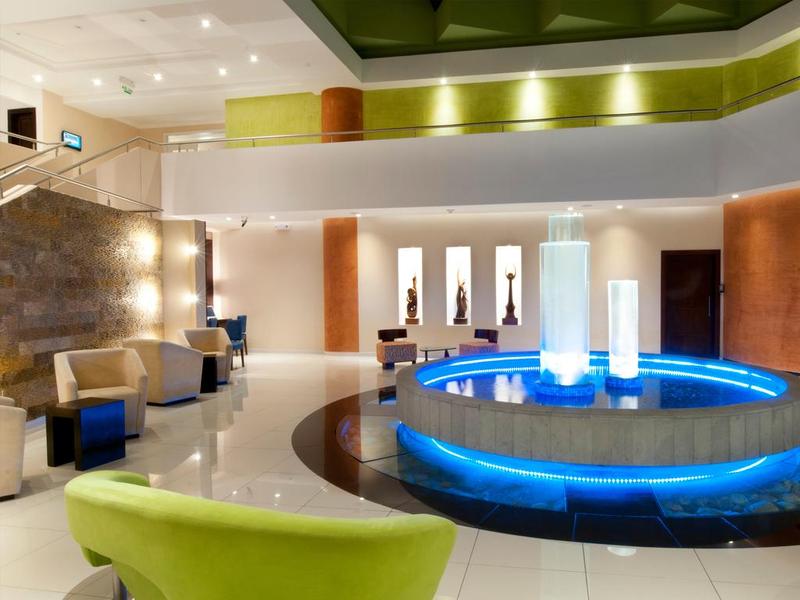
Quito
R$765 / night

Quito
R$962 / night
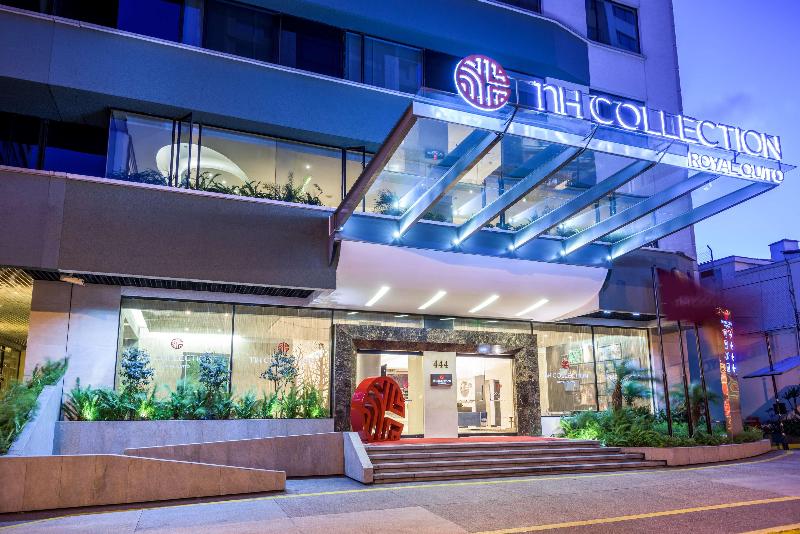
Quito
R$820 / night

Quito
R$883 / night

Quito
R$1,872 / night

Quito
R$733 / night

Quito
R$1,141 / night

Quito
R$1,161 / night

Quito
R$1,553 / night

Quito
R$668 / night
Must-sees, local secrets, experiences, and hotels — filter layers and tap the pins.
Everything you need to know to plan your trip
Get notified when hotel prices in Quito drop. No spam.
We use your email only to send this price alert. Unsubscribe anytime.
Extend your trip to incredible destinations nearby
Still unsure? See side-by-side comparisons to decide.
We personalize every moment of your journey — from iconic landmarks to hidden cultural gems.
Available 24/7 · Personalized consultations · Local expertise
Updated on July 27, 2026 · Methodology · Authors
Sources
Testimonials
Stories from travelers who have already visited. Share your experience — your comment appears in the cards below.
Visiting Quito exceeded all expectations. The energy of the place is contagious!
Leandro Meirelles
Traveler from Porto Alegre
We traveled as a family and Quito delighted kids and adults alike. Great hotel and attraction picks.
Olívia Fontes
Traveler from Brasília
I arrived without a fixed itinerary and Quito surprised me at every corner. So welcoming.
Simone Aragão
Traveler from Salvador
Stayed near downtown and walked everywhere. Quito is even better on foot.
Wagner Lisboa
Traveler from Manaus


