
Providencia
Hotel Almasur Providencia
R$743 / night
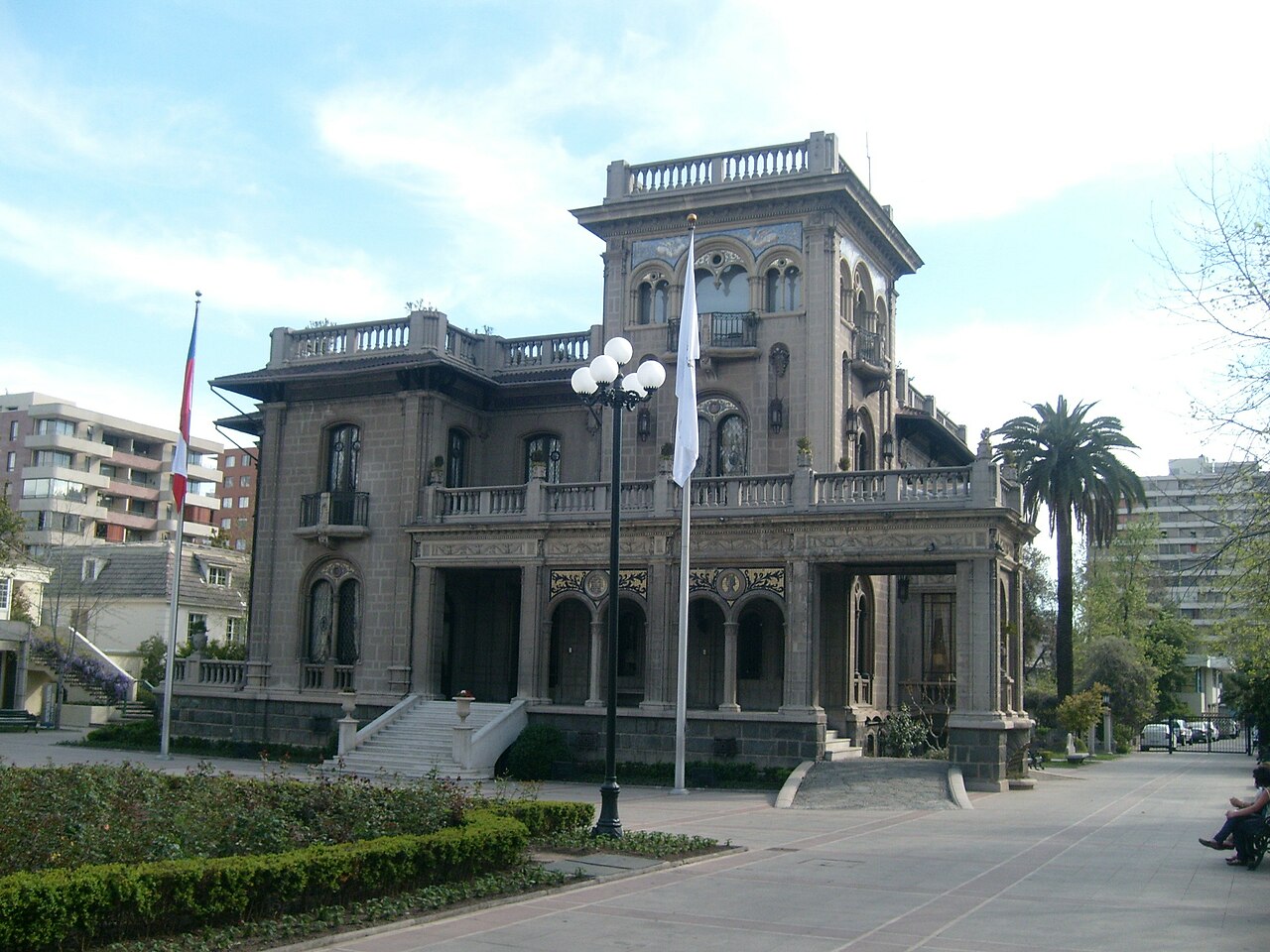
Destination
Explore the charm of Providência! Discover travel tips, accommodation ideas, and perfect itineraries for your unforgettable journey.
Providencia · Brasil
Photos
Discover the landscapes and culture of Providencia Destinations


Editorial guide with history, culture, and practical tips to plan your trip.
The name "Providencia" is more than just a placename; it carries a deep cultural and historical significance, referring to the concept of divine intervention or superior planning. This key word, found in various forms—such as Providência, Providências, or even its representation in the mythological context of Divine Providence—shows remarkable geographical dispersion. What we call "Providencia" is, in fact, a transversal concept applied to different locations, ranging from the heart of Brazil, such as Leopoldina and Morro da Providência, to robustly diverse South American regions, like areas designated in Chile, Peru, or Colombia (Nariño). The breadth of these references suggests that searching for a place called Providencia is, in itself, a journey of discovery, where each destination presents a unique identity, yet all share the echo of this powerful concept.
For travelers interested in the cultural richness of Brazilian names or the jewels of the South American continent, the destinations under this aegis promise varied experiences, blending the spirituality of belief with the vibrant reality of local cultures.
The presence of the term "Providencia" in various locations suggests a foundation history often linked to higher or religious ideals. In Brazilian historical contexts, the name might have been adopted by colonies or urban centers that sought association with a sense of divine guidance, marking their social and spiritual importance from the early days of settlement.
This type of nomenclature was not random; it reflected community aspirations, shaped by deep beliefs in superior intervention guiding local life. On a broader perspective, the reference to "Divine Providence" places the concept within a vast historical and theological panorama. This idea that human events are guided by a greater purpose spans centuries of history, shaping not only art and literature but also the very toponymy (place names) of locations. The cities bearing this name—be it Providencia in Chile or references in other South American regions like Peru and Colombia—come with diverse historical layers. While some places may have deep colonial roots, others carry the resilience of more recent communities, yet all are intertwined in a narrative of adaptation and persistence.
Historical milestones are palpable when visiting these destinations. In areas like Morro da Providência, the past lives on in structures that have resisted time; in cities in Peru or Colombia, history manifests in the architectural fusion between different eras and cultures. Studying these sites allows the traveler to draw a fascinating parallel: the physical permanence of buildings versus the constant evolution of the cultural narratives associated with their names.
Culturally, the theme of Providencia manifests as a link between the human and the transcendent. In almost all mentioned locations, whether in urban settlements or small coastal villages, the culture is deeply rooted in religious traditions and popular knowledge. Community life, the celebration of local festivities, and the maintenance of traditional artistic practices are elements that define the spirit of the place.
In Brazilian regions, such as Leopoldina or Morro da Providência, the culture tends to be rich in folklore manifestations and popular devotions. Sacred art and religious celebrations are not just events; they are pillars that keep alive the collective memory and sense of community belonging. In contrast, when traveling to neighboring countries like Chile or Colombia (Nariño), it is possible to find a more evident cultural fusion, where indigenous, African, and European influences mix in a vibrant cauldron of cuisine, music, and festivities.
The culture of the Caribbean destinations associated with this name complements this rich tapestry. On these islands, the rhythm is dictated by the sea and tropicality, resulting in musical traditions that value the meeting of African rhythms with European influences. Local craftsmanship, whether based on wood, weaving, or fishing techniques, tells visual stories about life under the sign of cyclical providence—the arrival of tides, harvests, and natural cycles that shape the daily lives of its inhabitants.
Geographical diversity is one of the most fascinating aspects when studying "Providencia" references. The term is not restricted to a single land formation; it spans from coastal plains and Caribbean islands to the Andean highlands. This amplitude requires travelers to prepare by recognizing this climatic, topographic, and biological variation.
In geographical terms, we can distinguish at least three major landscape groups: Firstly, the Brazilian and South American continental destinations (such as Leopoldina or Providencia in Peru); these areas present varied geography that may include plateaus, fertile valleys, and mountain touches. Secondly, we find the vibrant coastal setting—whether in Nariño, Colombia, or the islands of the Colombian Caribbean; here, geography is dominated by the interaction between land and sea, with beaches of different compositions and rich coastal ecosystems. Finally, there are the more isolated and mountainous regions, characteristic of areas cited in Chile and other Andean areas. The altitude can vary drastically in these zones, requiring visitors to pay special attention to local geological formation.
This geographical richness is not merely an aesthetic backdrop; it determines the way of life and the economic activities of local populations. Coastal regions depend on fishing and resort tourism, while more interior centers develop along the agro-pastoral axis or in services associated with regional trade, showing the human capacity to thrive in any given natural environment.
Given the vast geographical expanse of the locations associated with the name Providencia, it is impossible to define a single climate. The climatic profile varies drastically depending on whether the destination is in the Caribbean tropical coast, the Andean altitudes, or the subtropical plateaus of the Brazilian interior.
In localities that have an insular or strongly coastal character, such as Providência Island in the Colombian Caribbean, one expects a warm and humid tropical climate. This type of climate is characterized by high temperatures year-round, intense luminosity, and well-defined rainy periods, favoring lush vegetation and the development of rich marine ecosystems. It is a climate inviting for water activities.
On the other hand, in higher areas or cities located in the interior of Brazilian states (such as Leopoldina), the climate may exhibit more temperate or high tropical characteristics. This means significant temperature variations between seasons and even between days; mornings can be cool, while midday warms up significantly. In the Andean regions of Peru and Chile, altitudinal variation is a dominant climatic factor, requiring visitors to pay special attention to adaptation concerning elevation changes and abrupt temperature shifts.
The tourism profile of the various Providências is extremely diverse, catering both to the traveler seeking adventure and the one looking for introspection or ancient culture. There is no single model for visiting; rather, there is a wide array of possible experiences.
For historical and cultural tourism, older cities and urban centers (such as Providencia in Peru or Morro da Providência) offer deep dives into colonial architecture and traditional knowledge. It is the ideal spot for those interested in museums, busy local markets, and observing the daily life of communities that have resisted the passage of centuries.
In a natural and adventure tourism axis, more remote destinations or mountainous areas offer ecotourism. Hiking in the mountains, wildlife observation, and diving into regional biodiversity become central activities. For those who prefer the calmness of the sea, Caribbean islands are perfect for relaxing tourism: paradisiacal beaches, water sports like snorkeling and diving, and boat trips through coral reefs.
The tourist visiting any point referenced by "Providencia" is invited to actively participate in the local culture. Whether experiencing regional cuisine—whether coastal with fresh seafood or interior with grains and agricultural products—or participating in artisan fairs, cultural involvement is an essential part of the travel itinerary.
The main curiosity about the Providencia destinations lies precisely in their semantic dispersion. The name does not mark just a location; it encapsulates a philosophical and spiritual concept that has been fundamental to the cultural identity of several populations. It is a fascinating example of how an abstract idea can materialize at countless points on the map.
It is also interesting to note the distinction between mythological and localized references. While the mythical concept of Divine Providence is studied by academics and theologians, the physical locations—whether Nariño in Colombia or Morro da Providência in Brazil—offer the tourist a palpable experience of this name. The journey becomes a crossing point between theory and lived reality.
Another curiosity to highlight is the role of regional languages and dialects. When visiting such diverse destinations, there is a chance to witness rich linguistic variations. Brazilian Portuguese contrasted with Spanish from Peru or Colombia not only enriches the trip but also reveals how a single nominal root adapted to the political and cultural history of different nations.
In summary, every providência is a testament to the human capacity to name and give meaning. The traveler who explores this network of places discovers more about the concept of Providence—the destination itself—than any map could indicate, making the search for the place not just a geographical objective, but a profound personal discovery.
Everything you need to know to plan your trip
Reference figures to help plan your trip
Hotels in the area
58
Attractions
9
58 properties · high demand in Providencia Destinations this season
224 travelers searched Providencia this week
Stays for these dates are among the most sought-after in Providencia
Providencia
R$743 / night
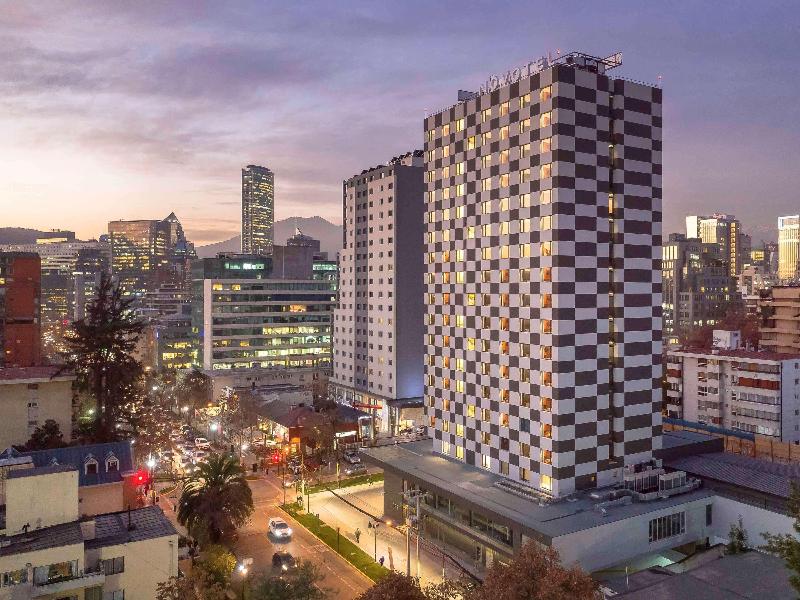
Providencia
R$1,313 / night

Providencia
R$1,227 / night

Providencia
R$634 / night

Providencia
R$371 / night

Providencia
R$766 / night

Providencia
R$724 / night

Providencia
R$990 / night

Providencia
R$912 / night

Providencia
R$960 / night

Providencia
R$440 / night

Providencia
R$1,099 / night
Must-sees, local secrets, experiences, and hotels — filter layers and tap the pins.
Everything you need to know to plan your trip
Get notified when hotel prices in Providencia Destinations drop. No spam.
We use your email only to send this price alert. Unsubscribe anytime.
Extend your trip to incredible destinations nearby
Still unsure? See side-by-side comparisons to decide.
We personalize every moment of your journey — from iconic landmarks to hidden cultural gems.
Available 24/7 · Personalized consultations · Local expertise
Updated on July 26, 2026 · Methodology · Authors
Sources
Testimonials
Stories from travelers who have already visited. Share your experience — your comment appears in the cards below.
Visiting Providencia Destinations exceeded all expectations. The energy of the place is contagious!
Leandro Meirelles
Traveler from Porto Alegre
We traveled as a family and Providencia Destinations delighted kids and adults alike. Great hotel and attraction picks.
Olívia Fontes
Traveler from Brasília
I arrived without a fixed itinerary and Providencia Destinations surprised me at every corner. So welcoming.
Simone Aragão
Traveler from Salvador
Stayed near downtown and walked everywhere. Providencia Destinations is even better on foot.
Wagner Lisboa
Traveler from Manaus


