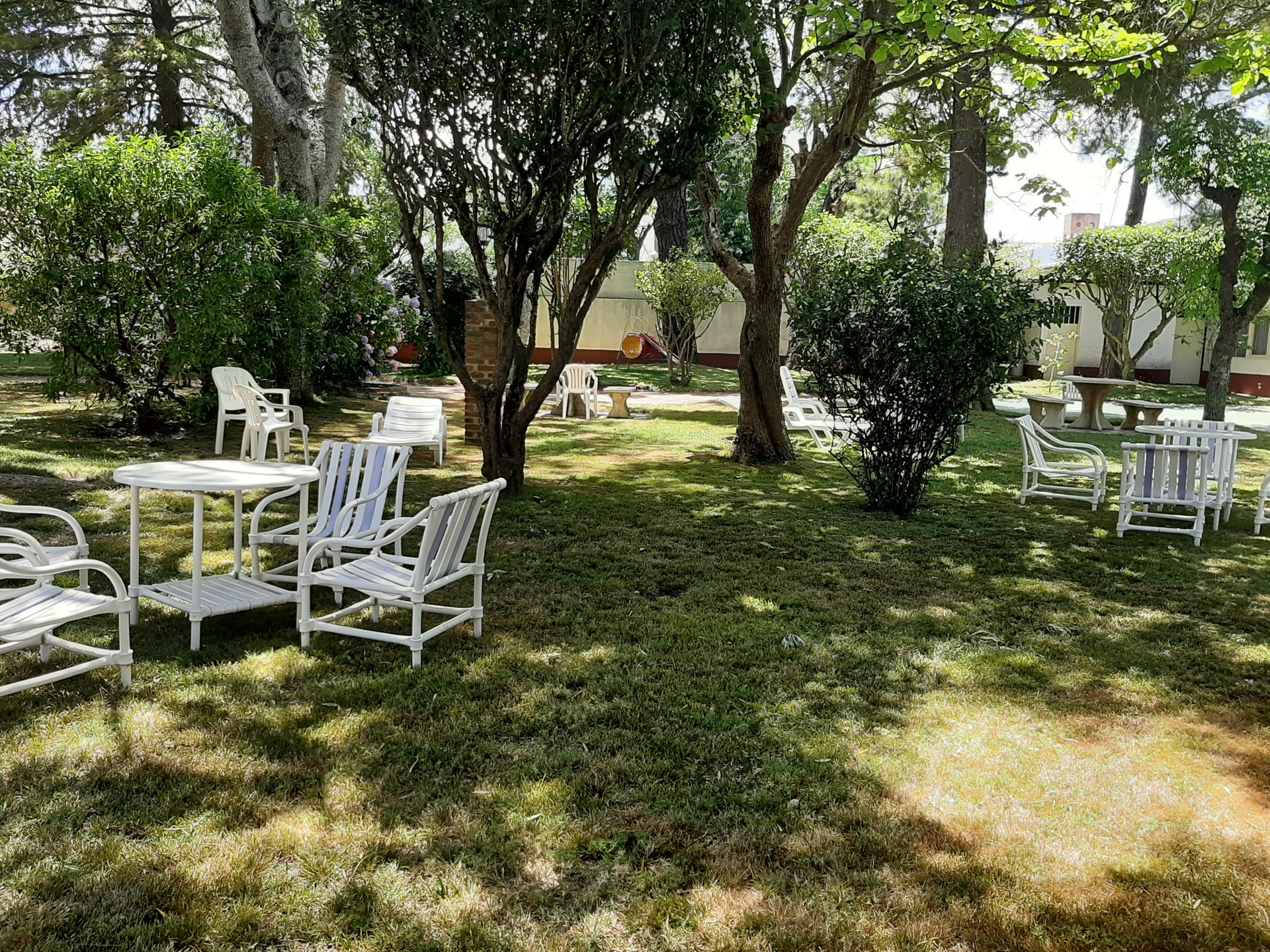
Piriápolis
Ocean Hotel
R$1,234 / night

Destination
Discover Piriápolis, the charming Uruguayan resort town! Ideal for summer holidays with dazzling beaches and perfect climate. Plan your trip today.
Piriápolis · Brasil
Photos
Discover the landscapes and culture of Piriápolis


Editorial guide with history, culture, and practical tips to plan your trip.
Piriápolis is more than just a simple coastal destination; it is an emblematic Uruguayan resort town, situated in the vibrant heart of the Maldonado department. Its identity is intrinsically linked to its historical role and strategic location on Uruguay's eastern coast. The city not only meets leisure needs but also serves as the administrative center for the municipality that bears its name, giving it both touristic and local importance.
Geographically located 98 kilometers east of Montevideo – the country’s capital and largest city – Piriápolis enjoys a privileged geographical position. This relatively short distance from the main metropolis ensures a constant flow of visitors, both from within Uruguay and neighboring countries. Although it maintains a permanent population of approximately 12,150 residents, the true spirit of Piriápolis only reveals itself during the summer season.
It is during this vibrant period, spanning the months of December to March, that a notable demographic phenomenon occurs: the floating population takes center stage. The municipality undergoes a radical transformation, hosting significantly more visitors than its permanent contingent. This duality between the tranquility of daily life and the festive energy of high season gives Piriápolis a unique charm, making it a focal point for those seeking the perfect balance between historical roots and modern seaside life.
Although it is a destination that welcomes tourists from various nationalities—including many Argentine visitors and a growing European presence—the driving force of tourism in Piriápolis, historically speaking, resides in internal flow. This cultural and economic dependence on Uruguayan tourism grants the city an authenticity and local focus worthy of exploration by any traveler.
The journey of Piriápolis is deeply marked by its resort vocation. Its history is not merely that of another coastal settlement, but rather the starting point of organized tourism in Uruguay. It is important to highlight that Piriápolis was pioneering and holds the historical title of being the country's first resort town.
This pioneering status imparts immense narrative weight to its urban structure and social development. Over the decades, the city not only adapted to changes in tourist trends but helped shape the concept of coastal leisure throughout Uruguay. Its evolution reflects the nation’s own development concerning mass and family tourism.
The population growth and urbanization observed today are a direct result of this historical foundation. The structures, neighborhoods, and even the pace of life were shaped by the continuous expectation of seasonal visitors. This collective memory of the first resort town permeates every street and square, preserving a sense of tradition that few destinations can replicate.
Therefore, visiting Piriápolis is traveling not just to a geographical location, but to the starting point of Uruguayan tourism. Its history tells the story of the seduction of the sea and the success in transforming natural resources into human experience, continuously attracting different publics, whether local families or foreign visitors.
Piriápolis' culture is a fascinating cultural mosaic that mirrors its position at the intersection of borders and the vitality of tourism. Local life pulsates with a complex synergy, where Uruguayan heritage meets neighboring artistic and gastronomic influences.
The culture is deeply marked by the seasonal cycle of its calendar. During the summer season, the city's cultural traits gain a more accelerated, festive, and international rhythm. There is an intense cultural manifestation that goes beyond mere beach strolls, encompassing community events, art festivals, and gastronomic celebrations that revitalize the department.
The influence of the visitor flow is a mirror of local cultural diversity. It receives not only Argentine and European tourists but also a growing number of Brazilian visitors. This mixing contributes to the formation of a vibrant culture where local traditions are celebrated while absorbing elements from different international cultures.
However, the daily life of its 12,150 permanent residents is the guardian of local cultural essence. They keep alive the memory and customs that made Piriápolis the country’s first resort town. It is in this constant dialogue between tradition (the community base) and modernity (seasonal dynamism) that the municipality's greatest cultural treasure resides.
Located in the Maldonado department, at a strategic point on the Uruguayan coast, Piriápolis benefits from an exceptionally rich coastal geography. Its location is not merely convenient but determining of its identity as a prestigious resort destination.
The 98-kilometer distance from Montevideo positions it on a tourist axis easily accessible from the Uruguayan capital, which is geographically crucial. This relatively short route allows both residents and visitors to take short and frequent trips to enjoy the marine environment without major displacement.
The municipality of Piriápolis is situated in a natural setting where urban life coexists intimately with the Atlantic Ocean. The resort geography implies extensive beaches, landscapes that change drastically with the tides, and a topography molded by climate and human activity over the years.
This geographical combination results in a highly diversified Maldonado department. It supports both the growth of modern tourist structures, which cater to the large floating population during high season, and the preservation of areas that maintain the calm of their fixed daily routine. It is this interaction between the open sea and controlled urban development that defines the physical map of the city.
The climate in Piriápolis is intrinsically linked to the rhythm of the seasons, following the pattern of a temperate coastal destination. However, the most striking characteristic for the traveler is the extreme seasonality that governs both the climatic and cultural experience.
The summer season, or main resort period, covers the months of December to March. This period not only raises the average air temperature but also intensifies the energy of the environment. It is the peak of coastal life in Piriápolis, when the climate is ideal for beach leisure activities and strolls along the coast.
Outside this summer peak, the intermediate months offer a milder climate, inviting visits focused on contemplation and cultural tourism. The climatic variation in Piriápolis ensures that the destination is attractive not only during summer holidays but also during calmer periods, when it is possible to absorb the tranquility of local life.
This climatic transition is a vital component of the tourist experience. Visitors should be prepared to experience different atmospheres: from the heat and euphoria of the peak months (December–March) to the serenity of cooler seasons, which allow for a deeper immersion into the atmosphere of the Maldonado department.
The tourism sector in Piriápolis is robust and extremely dynamic. The destination has successfully capitalized on its resort vocation to become a regional attraction pole, drawing visitors from diverse origins with different tourist consumption patterns.
It is crucial to understand the demographic dynamic of tourism: while the fixed population number is 12,150 people, the economic and social engine of the city depends on the vast floating population. This numerical difference underlines the magnitude of the summer impact, where millions of tourist experiences are lived within the department.
The visitor profile reveals great diversity: Piriápolis receives a significant number of Argentine tourists, highlighting the transborder cultural and tourism ties of the region. Furthermore, there is an increasingly growing presence of Brazilian and European visitors, indicating the international recognition of the destination.
Notwithstanding the increasing importance of these international flows, it is essential to emphasize that, within this multicultural scenario, internal tourism—that is, the flow of Uruguayan tourists—remains the most relevant aspect. This focus on the local audience not only ensures palpable cultural authenticity but also sustains the traditions that made Piriápolis Uruguay's first resort town.
Piriápolis' greatest curiosity lies in its demographic duality. The striking difference between the 12,150 permanent residents and the massive volume of floating population during high season is a demographic phenomenon that deserves special attention.
This oscillation allows for a unique tourist experience: visiting on weekdays, experiencing the tranquility of the municipality with its strong community base; or traveling in summer, feeling the vibrant and international pulse of a major resort destination.
Another interesting fact is its historical status. Being recognized as the country’s first resort town is not just an academic mention, but a component that shapes local pride. It is a constant reminder of its pioneering role in transforming the Uruguayan coast into a renowned leisure destination.
Despite receiving important cultural influences and international visitors, the emphasis on internal tourism attests to the resilience and strength of local roots. This gives tourists a feeling of discovering something genuinely Uruguayan—a treasure that has preserved its essence since the beginning of national resort life.
Everything you need to know to plan your trip
Best time to visit
December to March (summer season)
Currency
Uruguayan Peso
Language
Spanish
Recommended stay
3 days
Timezone
-3
Reference figures to help plan your trip
Hotels in the area
2
Attractions
9
2 properties · high demand in Piriápolis this season
155 travelers searched Piriapolis this week
Stays for these dates are among the most sought-after in Piriapolis
Must-sees, local secrets, experiences, and hotels — filter layers and tap the pins.
Everything you need to know to plan your trip
Get notified when hotel prices in Piriápolis drop. No spam.
We use your email only to send this price alert. Unsubscribe anytime.
Extend your trip to incredible destinations nearby
Still unsure? See side-by-side comparisons to decide.
We personalize every moment of your journey — from iconic landmarks to hidden cultural gems.
Available 24/7 · Personalized consultations · Local expertise
Updated on June 30, 2026 · Methodology · Authors
Sources
Testimonials
Stories from travelers who have already visited. Share your experience — your comment appears in the cards below.
Visiting Piriápolis exceeded all expectations. The energy of the place is contagious!
João Victor
Traveler from Recife
We traveled as a family and Piriápolis delighted kids and adults alike. Great hotel and attraction picks.
Monique Barbosa
Food enthusiast
I arrived without a fixed itinerary and Piriápolis surprised me at every corner. So welcoming.
Priscila Gomes
Friend group
Stayed near downtown and walked everywhere. Piriápolis is even better on foot.
Tiago Bueno
Traveler from Campinas


