
Pensacola, FL
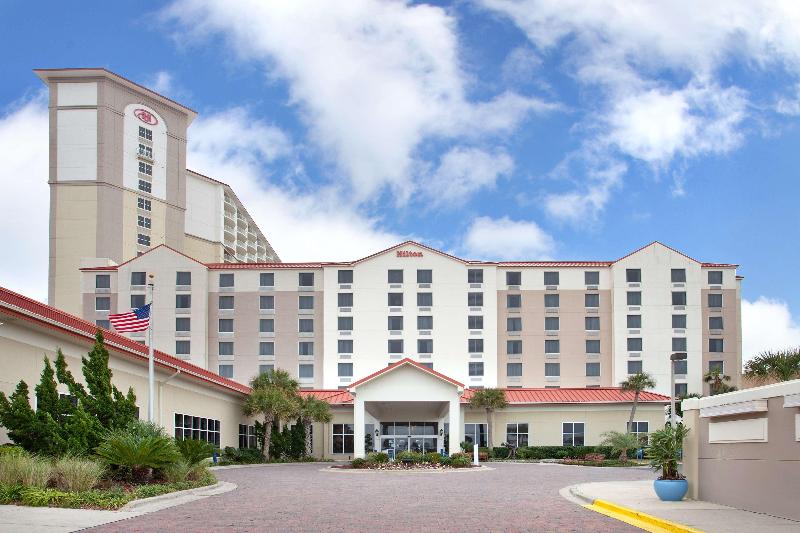
The Pensacola Beach Resort
R$2,071 / night

Destination
Explore Pensacola, FL! Experience the perfect blend of rich naval history and relaxing Florida Panhandle beaches. Culture, beauty, and adventure await.
Pensacola, FL · Brasil
Photos
Discover the landscapes and culture of Pensacola, FL


Editorial guide with history, culture, and practical tips to plan your trip.
Pensacola is a charming destination located in the heart of the Florida Panhandle, United States. This city is not just a stopover point on a trip along the American coast; it is a true mosaic of maritime history, stunning beaches, and rich cultural tradition. Strategically positioned on the west side of Florida, it is known for its coastal beauty and profound historical significance.
Geographically, Pensacola is situated in Escambia County, notable for being the westernmost county in the state of Florida. This unique location, at the extreme tip of the "panhandle," gives the area a privileged panorama, as it is surrounded by water on three different sides. This constant proximity to the ocean and other bodies of water is an intrinsic part of its identity and attracts visitors seeking spectacular landscapes.
In terms of population, 2020 census data shows that the city itself had a population of 54,312 residents. However, when considering the complete metropolitan area, the number grows considerably, totaling an impressive 509,905 residents. This figure indicates not only Pensacola's importance as an urban center but also its function as a major hub for the entire vast surrounding metropolitan region.
The city maintains special status as the county seat and is the only municipality within Escambia County to hold this title. This fact reinforces its administrative and central role in local community life, keeping alive traditions and historical structures that reflect its importance throughout the decades.
Pensacola's history is deeply intertwined with American naval power and the vibrant nature of the Gulf of Mexico. The "historic" character of the city is a central fact in its tourism identity, manifested in several neighborhoods surrounding the urban center.
Since its origins, Pensacola has always been a strategic point of passage for maritime and military activities. This legacy is perhaps most evident in the iconic presence of the Naval Air Station Pensacola. The station is not just a military facility; it represents a fundamental pillar in American air and naval history.
For those who wish to dive into this fascinating past, the National Museum of Naval Aviation offers a portal to understanding the evolution of American naval and air forces. It is a museum that does not merely exhibit artifacts but tells stories of courage, technology, and global impact.
The city's trajectory is marked by its inseparable relationship with the sea. The waters surrounding Pensacola brought more than natural beauty; they carried centuries of naval history and, inevitably, numerous shipwrecks. This rich tapestry of past events is preserved in its historic districts, inviting visitors to revisit significant epochs of American colonization and development.
The maintenance of these historic districts ensures that visitors have a complete immersion not only into the modern life of a populous center with over half a million residents in its metro area, but also into the slow and fascinating rhythm of past times. Every corner tells a chapter of Pensacola's narrative.
Pensacola culture is a rich and eclectic mix, strongly influenced by its coastal geography and deep military/naval legacy. It is a fusion where history meets beach leisure, creating a unique environment on the edge of the Florida Panhandle.
Culturally, the sense of community is notable. As the county seat of Escambia County, the city maintains strong ties to its local roots. This identity resides not only in governmental and administrative institutions but also in how residents interact with their coastal environment.
Cultural life often unfolds outdoors, utilizing the beaches and easy access to water that surrounds the area on three sides. This natural connection shapes festivities, gastronomic traditions, and a relaxed lifestyle deeply rooted in respect for maritime history.
The culture of aviation and navigation is central. The National Museum of Naval Aviation is not just a tourist attraction; it is a cultural guardian of human engineering and exploration over the waters and skies. Local traditions pay homage to this legacy, hosting events that celebrate the sea and embarked technology.
In sum, visiting Pensacola means experiencing a culture where every visitor can feel connected both to the modern bustle of the large metropolitan area and to the contemplative calm of a rich past, shaped by Gulf waves and Florida Panhandle winds.
Pensacola occupies a privileged geographical position in Florida, specifically in the famous "Panhandle," the western portion of the state. This location grants it exceptional access to various bodies of water, which is crucial for its identity as both a coastal and historic city.
The area belongs to Escambia County, standing out as the westernmost county in Florida. This fact not only determines its location on U.S. maps but also influences its unique ecosystem, characterized by extensive beaches and dramatic coastal landscapes.
Geographically, the city is a convergence point between land and water. Being surrounded by waters on three different sides grants it spectacular natural beauty and increases opportunities for marine and visual activities. This geometric configuration elevates the scenic value of the destination.
The geographical features also influence its population density. Although the metropolitan area is vast, covering over half a million people (509,905 residents), the main city itself has a smaller core, with approximately 54,312 residents according to the 2020 census. This distribution reflects a harmonious combination of central urban development and the vast natural coastal environment that surrounds it.
The historic neighborhoods, spread across the main urban area, directly capitalize on this privileged geography, building their narratives of the past in harmony with maritime settings, making the beaches a constant element in the landscape and local daily life.
While the source material does not provide detailed climate data (such as average temperature or annual precipitation), describing the city as an "historic beach city" located in Florida inevitably suggests a tropical, subtropical, warm climate highly influenced by proximity to large bodies of water. The constant influence of the sea moderates the local environment, providing regular sea breezes characteristic of beach destinations.
The location in the Panhandle guarantees Pensacola a typically coastal seasonality, where days tend to be sunny and temperatures mild enough for outdoor activities for most of the year. The sea breeze is an almost constant element, crucial for the comfort of residents and visitors.
The geographical setting, bathed by waters on three different sides, ensures that the air quality is constantly refreshed by the sea salt. This climatic feature contributes directly to the "spectacular views" mentioned in the area's description, making it a site of constant natural beauty.
In summary, the climate is more an extension of its geographical and cultural attribute: it is tropical-friendly, perfect for visitors to enjoy both the beaches and stroll through historic neighborhoods, all set against a backdrop constantly revitalized by the movement of the ocean.
Pensacola is a multifaceted tourist destination. It attracts travelers looking from the rest and beauty of paradise beaches to an in-depth immersion into U.S. military and maritime history. The diversity of attractions ensures there is something for every type of traveler.
The main focus of tourism is undoubtedly its naval and historic legacy. The National Museum of Naval Aviation is a mandatory highlight, allowing visitors to understand the evolution of air and naval technology on a monumental scale. Nearby, the Pensacola Naval Air Station continues to contribute historical atmosphere to the entire region.
For those seeking pure relaxation, the beaches are protagonists. The combination of sand and spectacular views makes coastal activities the cornerstone of tourism. Days on the Pensacola coast combine the pleasure of sunbathing with the contemplation of nature surrounding the city on three different sides.
Furthermore, strolling through historic neighborhoods is a unique form of cultural tourism. These districts allow visitors to walk through streets loaded with narratives, reliving Pensacola's importance as a development hub since its beginnings in Florida.
The greater Pensacola metropolitan area (with over 509 thousand residents) ensures robust tourist infrastructure. Whether for modern services or coastal recreational activities, the visitor finds support and enjoyment in a destination that perfectly balances modern life with the preservation of maritime past.
The fact that Pensacola is the only municipality within Escambia County to hold the status of county seat is a notable administrative and historical particularity. This title gives the city a central role in the region's social and governmental organization, keeping its importance alive beyond just tourism.
The disparity between the residential population of the city (54,312 residents in 2020) and the size of its metropolitan area (over half a million residents) is a curious statistic that illustrates the vast regional development around the original city core. This difference suggests vigorous urban expansion and significant population growth in the surrounding region.
The fact that it is described as an "historic beach city" and surrounded by water on three different sides is not just a geographical coincidence; it was the factor that defined its development. From shipwrecks to the construction of major historic districts, the ocean has always been a fundamental engine for its existence.
The presence of the National Museum of Naval Aviation and the Air Station itself does not only enrich its tourist profile but also solidifies a unique cultural identity. Pensacola is more than just a beach town; it is a living monument to the history of modern navigation in the U.S. It is this synergy between naval past, stunning beaches, and metropolitan dynamism that makes Pensacola so fascinating.
Everything you need to know to plan your trip
Best time to visit
Spring and Autumn
Currency
USD
Language
English
Recommended stay
3 days
Timezone
EDT/EST (America/New_Orleans)
Reference figures to help plan your trip
Attractions
9
Selected stays available to book
197 travelers searched Pensacola Fl this week
Stays for these dates are among the most sought-after in Pensacola Fl
Pensacola, FL
R$2,071 / night
Pensacola, FL
R$2,058 / night

Pensacola, FL
R$1,504 / night

Pensacola, FL
R$2,215 / night

Pensacola, FL
R$1,997 / night

Pensacola, FL
R$2,150 / night

Pensacola, FL
R$2,631 / night

Pensacola, FL
R$1,355 / night

Pensacola, FL
R$1,813 / night

Pensacola, FL
R$1,422 / night

Pensacola, FL
R$1,042 / night

Pensacola, FL
R$954 / night
Must-sees, local secrets, experiences, and hotels — filter layers and tap the pins.
Everything you need to know to plan your trip
Get notified when hotel prices in Pensacola, FL drop. No spam.
We use your email only to send this price alert. Unsubscribe anytime.
Extend your trip to incredible destinations nearby
Still unsure? See side-by-side comparisons to decide.
We personalize every moment of your journey — from iconic landmarks to hidden cultural gems.
Available 24/7 · Personalized consultations · Local expertise
Updated on August 5, 2026 · Methodology · Authors
Sources
Testimonials
Stories from travelers who have already visited. Share your experience — your comment appears in the cards below.
Visiting Pensacola, FL exceeded all expectations. The energy of the place is contagious!
Graziela Pacheco
Repeat visitor
We traveled as a family and Pensacola, FL delighted kids and adults alike. Great hotel and attraction picks.
João Victor
Traveler from Recife
I arrived without a fixed itinerary and Pensacola, FL surprised me at every corner. So welcoming.
Monique Barbosa
Food enthusiast
Stayed near downtown and walked everywhere. Pensacola, FL is even better on foot.
Priscila Gomes
Friend group


