
Palenque
Hotel Maya Palenque
R$802 / night

Destination
Discover Palenque! Explore this magical Mayan site in Chiapas (Mexico). Walk through magnificent ruins that tell millennia-old stories. Unmissable!
Palenque · Brasil
Photos
Discover the landscapes and culture of Palenque


Editorial guide with history, culture, and practical tips to plan your trip.
Palenque is much more than a simple set of ruins; it is a monumental window into the glorious past of the Mayan civilization. Located in the tropical and mysterious state of Chiapas, in southern Mexico, this archaeological site represents one of the most spectacular examples of Mayan architecture and engineering.
For those seeking deep immersion in pre-Columbian cultures, Palenque offers an unparalleled experience. The majestic structures, which once held the power of an advanced civilization, lie within a lush and wild setting. Its strategic location, near the powerful Usumacinta River, not only defined ancient trade routes but also shaped the social and political life of the peoples who flourished here.
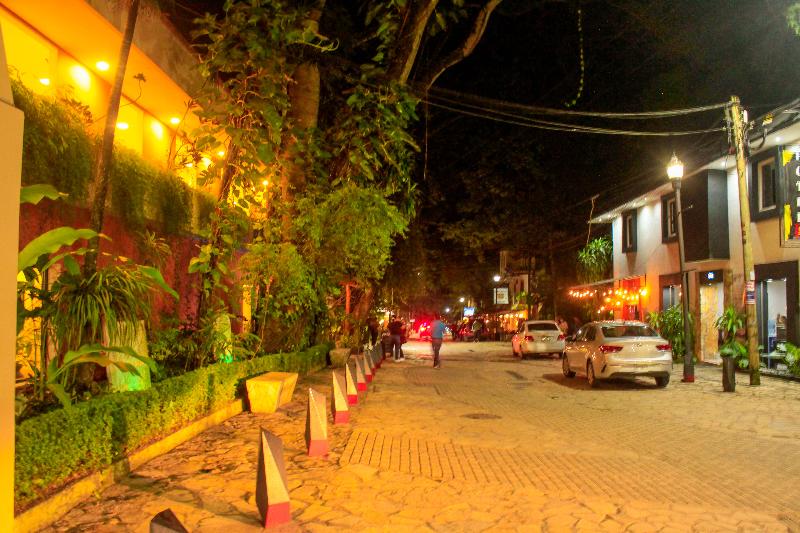
The site is adjacent to the modern town of Palenque, which facilitates visit logistics. It is in this contrast between vibrant contemporary life and the majestic quietude of millennia-old ruins that much of the magical charm of this destination resides. Visiting Palenque means confronting time itself, witnessing the complete cycle of civilization: rise, splendor, decline, and finally, rediscovery.
The history of Palenque is an epic spanning over two millennia. The ruins did not appear overnight; they are the result of centuries of construction, life, and cultural dominance. It is estimated that the flourishing period of the archaeological city extended roughly between 226 BC and the famous year of 799 AD.
During this vast timeframe, Palenque was a vital center of power and knowledge in Mesoamerica. It was in this setting that temples, palaces, and ceremonial structures of surprising architectural complexity were built for the time. The Maya were masters of astronomy, mathematics, and civil arts—skills that are still visible today in the carved stones.
However, like every great human power, Palenque experienced cycles of rise and fall. After its peak, the site suffered a dramatic decline in the 8th century. With the passage of centuries, nature reclaimed its inevitable course. The tropical jungle swallowed the edifices; cedar, mahogany, and sapotilla covered the temples gradually, causing Palenque to fall into the depths of oblivion.
Only through tireless efforts of excavation and restoration can we today walk among the vestiges that survived the passage of time. This process has not only revealed the grandeur of the constructions but also told us the story of the resilience of both the archaeologists and the Mayan culture itself.
The culture of Palenque is intrinsically linked to the knowledge and rituals of the Mayan people. To understand the site is to dive into the mind and daily life of a profoundly spiritual civilization, where architecture was not just functional, but also a cosmic reflection.
The Maya developed a highly structured society based on priests, kings (or ajaw), specialized artisans, and farmers. Their lives were governed by a complex calendar that dictated agricultural cycles, religious rituals, and political power dates. The astronomical and mathematical knowledge of these peoples allowed them to create monumental works of art with near-divine precision.
The most tangible cultural aspect in Palenque is the respect for mystery. Mayan culture deeply valued the connection between man, nature deities, and cyclical time. Paintings found in structures, although many were obscured by the jungle, depict mythological figures that tell stories about creation, death, and rebirth.
Walking through the restored chambers and plazas, the visitor is invited to imagine the sounds of rituals, the whispers of ceremonies, and the vibrant colors of Mayan life at its peak. The culture of Palenque teaches us about the impermanence of human power when faced with the eternity of nature.
Palenque is situated in a spectacular geographic region, marked by tropical exuberance and the influence of large rivers. The site is a focal point in the Mexican state of Chiapas, located in southern Mexico.
Its position is privileged and strategically defined: it is located near the banks of the Usumacinta River, a fluvial artery that historically served as a vital axis for trade and communication in the region. This proximity to water directly influenced the development and relative isolation of Mayan civilization.
In terms of modern geographic coordinates, Palenque is approximately 130 km south of the city of Ciudad del Carmen. It is established on a plateau that rises to approximately 150 meters above sea level. This altitude contributes to the humid and tropical microclimate characteristic of the subtropical forest.
The surrounding geography is dominated by dense vegetation, composed of typical Mesoamerican jungle species. The trees that once covered the temples—such as cedar, mahogany, and sapotilla—still shape the current landscape, creating a setting of profound biodiversity and wild beauty around the ruins.
The climate in Palenque is typically humid tropical, reflecting the influence of the region's vast water system. This climatic characteristic not only guarantees lush vegetation but also dictates the rhythm of life and the visitor experience.
According to climatological averages, the city boasts a pleasant average annual temperature around 26°C (79°F). However, the factor that defines this climate most is the high humidity. The atmosphere is dense and tropical, requiring visitors to prepare for persistently humid conditions.
In terms of rainfall, Palenque receives a significant average precipitation of about 2,160 millimeters annually. This high water index is responsible for the vitality of the forest surrounding the archaeological sites. The combination of heat and abundant rain results in a deep, intense green, making the jungle feel like a co-inhabitant of the ruins.
It is crucial that anyone planning to visit the destination be prepared for this constant humidity, as it enhances the sense of immersion in millennia-old nature, making every walk beneath the tree canopy a complete sensory experience.
Tourism in Palenque is predominantly archaeological and cultural. It is not just about observing ancient stones; it is a guided deep dive into the history of Mayan power, combining the exploration of millennia-old vestiges with the charm of modern vibrant cities.
The main tourist activity revolves around visiting the archaeological site. Visitors walk through restored temples and palaces, accompanied by specialized guides who unravel the symbolic meaning of each structure. It is possible to admire Mayan engineering in action, observing how they managed to build massive structures using rudimentary tools.
In addition to the main site, the modern city of Palenque offers complementary services and activities that enrich the trip. Tourists have the opportunity to interact with local crafts, savor regional Mexican cuisine, and simply absorb the quiet, historical atmosphere of the community that developed around the ruins.
For a complete experience, it is recommended to combine archaeological tours with routes exploring the surrounding fauna and flora. The integration of tourism between the wild environment (dominated by cedar, mahogany, and sapotilla) and the carved stones creates an irresistible visual and historical contrast.
A fascinating detail about Palenque is its alternate name. Besides being known as Palenque in Spanish, the site had another name in the Itza language, which was Lakamhaʼ. This nomenclature highlights the deep connection of the civilization with its own languages and cultural identities.
The process by which the ruins were discovered is a history of persistence in itself. After being covered by the jungle following the decline in the 8th century, Palenque remained forgotten until systematic efforts of excavation and restoration gave it the majestic appearance we see today.
The local flora is a constant element of the tourist experience. The noticeable presence of cedar, mahogany, and sapotilla not only contributes to the stunning visual setting but also tells chapters of the site's history: it was covered by this exuberant jungle which preserved it in an almost mythical state.
Its geographic location, near the Usumacinta River and at 150 meters above sea level, is crucial for understanding its development. This semi-isolated position allowed the Maya to cultivate a rich and unique culture for millennia, far from the great influences of other civilizational centers.
Everything you need to know to plan your trip
Average temperature
26°C
Reference figures to help plan your trip
Hotels in the area
27
Attractions
9
27 properties in the area
118 travelers searched Palenque this week
20 stays booked in Palenque in the last 7 days
Palenque
R$802 / night

Palenque
R$1,310 / night

Palenque
R$698 / night

Palenque
R$718 / night

Palenque
R$1,202 / night

Palenque
R$1,031 / night

Palenque
R$529 / night

Palenque
R$573 / night

Palenque
R$674 / night

Palenque
R$340 / night

Palenque
R$3,335 / night
Palenque
R$511 / night
Must-sees, local secrets, experiences, and hotels — filter layers and tap the pins.
Everything you need to know to plan your trip
Get notified when hotel prices in Palenque drop. No spam.
We use your email only to send this price alert. Unsubscribe anytime.
Extend your trip to incredible destinations nearby
Still unsure? See side-by-side comparisons to decide.
We personalize every moment of your journey — from iconic landmarks to hidden cultural gems.
Available 24/7 · Personalized consultations · Local expertise
Updated on July 26, 2026 · Methodology · Authors
Sources
Testimonials
Stories from travelers who have already visited. Share your experience — your comment appears in the cards below.
Visiting Palenque exceeded all expectations. The energy of the place is contagious!
Olívia Fontes
Traveler from Brasília
We traveled as a family and Palenque delighted kids and adults alike. Great hotel and attraction picks.
Simone Aragão
Traveler from Salvador
I arrived without a fixed itinerary and Palenque surprised me at every corner. So welcoming.
Wagner Lisboa
Traveler from Manaus
Stayed near downtown and walked everywhere. Palenque is even better on foot.
Arthur Klein
Tourist from Germany


