
Neuquén
Brizo Neuquen
R$641 / night

Destination
Explore Neuquén, Argentina's key Patagonian hub. Discover where dramatic nature meets vibrant urban life at the confluence of powerful rivers.
Neuquen · Brasil
Photos
Discover the landscapes and culture of Neuquén


Editorial guide with history, culture, and practical tips to plan your trip.
Neuquén emerges as the vibrant and most important urban center in the vast Argentine Patagonia. It is more than just a provincial capital; it is a crucial junction where dramatic nature meets human development, establishing itself as a regional benchmark. Strategically located east of the Confluencia department, Neuquén holds the title of key Patagonian city, attracting both visitors and investments that value its unique geographic position.
The urban structure is remarkable, representing a planned fusion of settlements. The city is not an isolated block but part of a dynamic and integrated urban agglomeration that also includes Plottier and Cipolletti. This geographical union gives Neuquén - Plottier - Cipolletti a cohesive identity, forming a large population and economic pole within the province of the same name.
Its existence is intrinsically linked to the region's complex fluvial toponymy. Neuquén’s exact location developed on the strip of land preceding the critical point where the Neuquén and Limay rivers converge, giving rise to the powerful Negro River. This natural setting not only defines its physical geography but has also shaped its historical and economic role as a meeting point for waterways.
Although the provided material details fewer chronological milestones, Neuquén's very existence and importance tell a story of centrality and growth. Over time, the city established itself as the administrative and population center of the province, making it undeniably the most important in all of Patagonia.
The urban evolution is deeply rooted in its strategic geographic position. The fact that Neuquén occupies the area before the confluence of major rivers like the Neuquén and Limay—which culminate in the Negro River—guaranteed a constant flow of life, commerce, and population movement. This privileged location was the engine behind its continuous development.
Demographic growth reflects this historical significance. With a significant population—estimated at over 551 thousand inhabitants—Neuquén not only meets the needs of its own community but also drives life in neighboring municipalities that comprise the urban agglomeration, solidifying its role as an undeniable regional pole within the vast and rich Patagonia.
Neuquén's culture is marked by a richness that reflects both its Patagonian identity and the dynamism of its large urban agglomeration. Living here means being immersed in a cultural encounter where Gaucho traditions mingle with modern influences, fueled by commerce and provincial administration.
The natural element plays a central role in the city's cultural life. The striking presence of the Neuquén and Limay rivers, which together form the Negro River, inspires festivals, artistic manifestations, and a deep connection to water and fluvial ecosystems. Recreational activities along these banks are an intrinsic part of local cultural daily life.
Neuquén’s culture spreads throughout the entire urban axis connecting the cities of Neuquén, Plottier, and Cipolletti. This grouping is not merely physical; it represents a synergy of lifestyles and communities that share the Patagonian experience, creating a vibrant cultural mosaic for visitors or residents.
Neuquén boasts a privileged and defining geographic location. It is located in the Confluencia department, positioning itself along the eastern section of the Neuquén province. This position is not accidental; it places it at a vital strategic point for transport and regional development.
The most important geographical feature lies in its physical occupation: the city occupies the strip of land preceding the meeting, or confluence, of the Neuquén and Limay rivers. This water intersection is the fundamental geographic landmark of the area. The result of this natural convergence is the formation of the Negro River, one of the region's most important hydrographic arteries.
The vast influence of the rivers gives the landscape a transition character and great natural beauty, combining fluvial elements with the Patagonian environment. The Neuquén - Plottier - Cipolletti agglomeration developed by taking advantage of this riverine geography, utilizing the fertile area adjacent to the riverbanks for its population growth.
As the provincial capital and a city situated in the vast Patagonian biome, Neuquén's climate is characteristic of the southern region. Although specific climatic data are not detailed in sources, the geographical influence of the rivers and its altitude tend to confer a continental atmosphere marked by large temperature variations.
Climate patterns are typical of areas developing near large bodies of water, such as the Neuquén and Limay rivers. This means that despite the cold days characteristic of Patagonia at certain times of the year, humidity and thermal variations can be significantly influenced by the water cycle, providing an attractive climatic complexity for those seeking to understand the local natural rhythm.
Tourism in Neuquén is a destination that successfully balances the urban experience of an important capital with the grandeur of Patagonian nature. The main tourist attraction, undoubtedly, is the fluvial geography: the point where the Neuquén and Limay rivers meet to form the Negro River.
Visitors are attracted both by the natural beauty of this water encounter—which offers stunning landscapes and water leisure activities—and by the established urban pole. The Neuquén - Plottier - Cipolletti agglomeration allows for a diverse tourist experience, combining cultural tours in the capital with relaxation in neighboring cities.
The city's infrastructure, driven by its role as the most important city in Patagonia, serves a constant flow of tourists who seek not only leisure on the riverbanks but also the knowledge and historical depth that the urban center offers. This combination of two experiences makes Neuquén a complete destination for those who love both the adrenaline of the river and the calm of provincial life.
The most singular and notable aspect of Neuquén is its unique urban formation. Unlike many capitals, it does not appear as an isolated entity but rather integrated into a robust agglomeration that includes Plottier and Cipolletti. This physical union gives the area the unique identity of "Neuquén - Plottier - Cipolletti," demonstrating territorial planning that prioritizes connectivity and joint community development.
Another fascinating point is its geographical location as a witness to water convergence. Being situated on the strip of land immediately preceding the meeting of the Neuquén and Limay rivers, and consequently at the source of the Negro River, gives the city an almost mythical role regarding major natural flows. It is a place where human life flourishes on the threshold of powerful nature.
Finally, being recognized as "the most important city in Patagonia" is a curiosity that summarizes its magnitude and economic significance for the entire province. Neuquén does not just exist in Patagonia; it powers it from its population and administrative center.
Everything you need to know to plan your trip
Reference figures to help plan your trip
Attractions
9
Selected stays available to book
73 travelers searched Neuquen this week
Stays for these dates are among the most sought-after in Neuquen
Neuquén
R$641 / night

Neuquén
R$920 / night

Neuquén
R$835 / night

Neuquén
R$1,233 / night
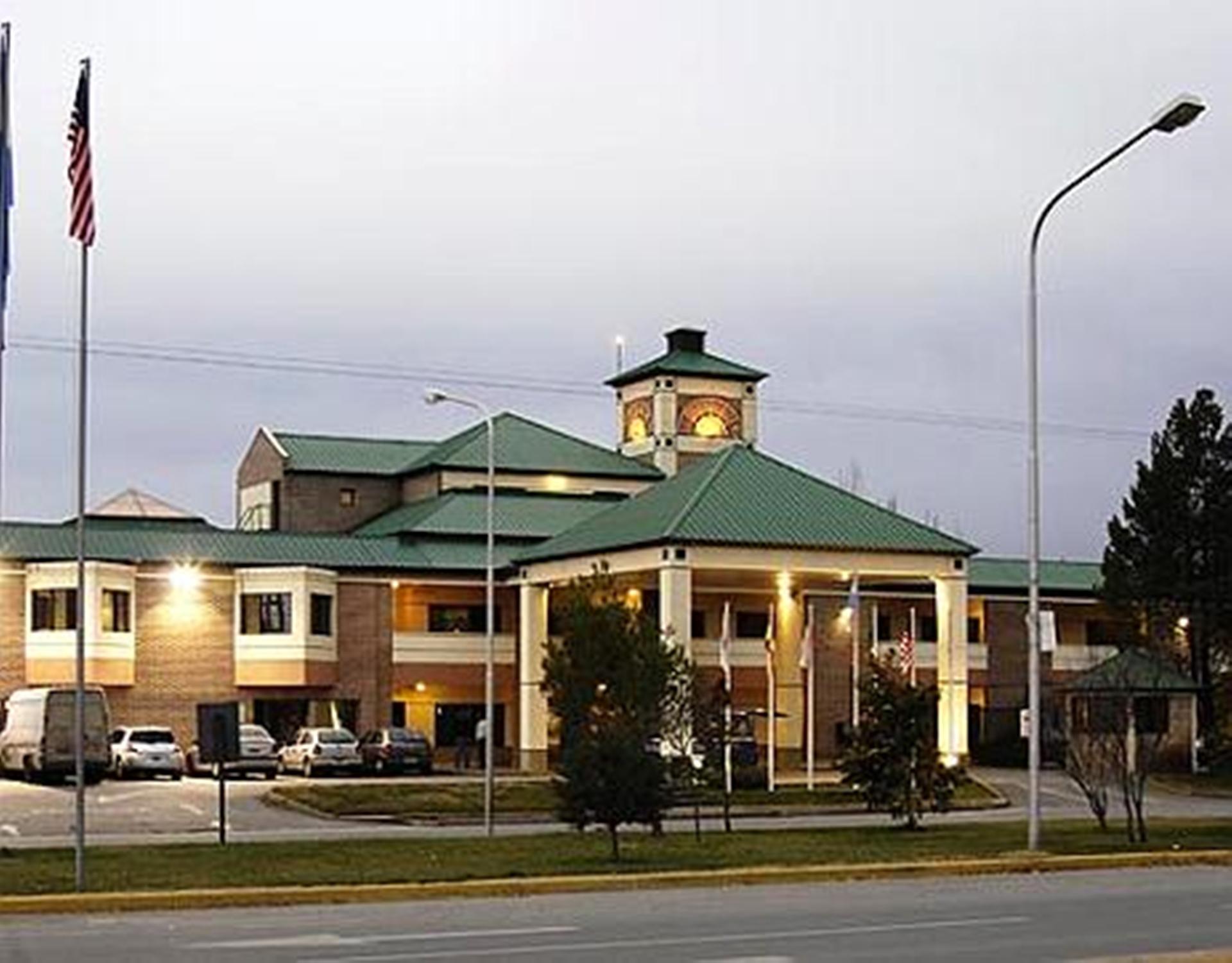
Neuquén
R$1,165 / night

Neuquén
R$743 / night
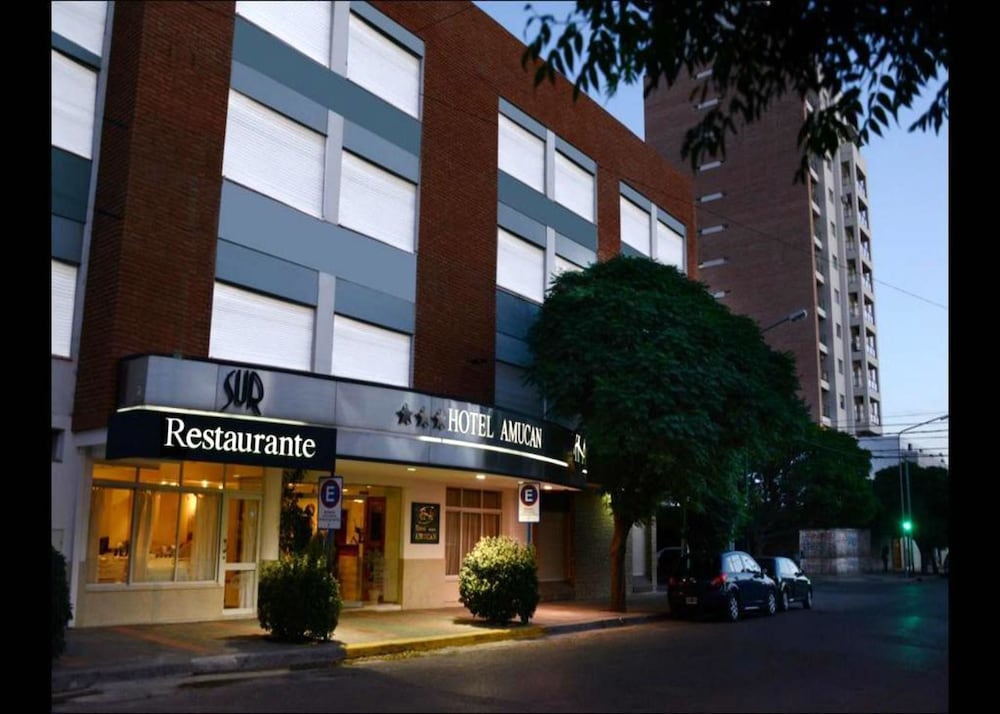
Neuquén
R$615 / night

Neuquén
R$857 / night

Neuquén
R$975 / night

Neuquén
R$989 / night
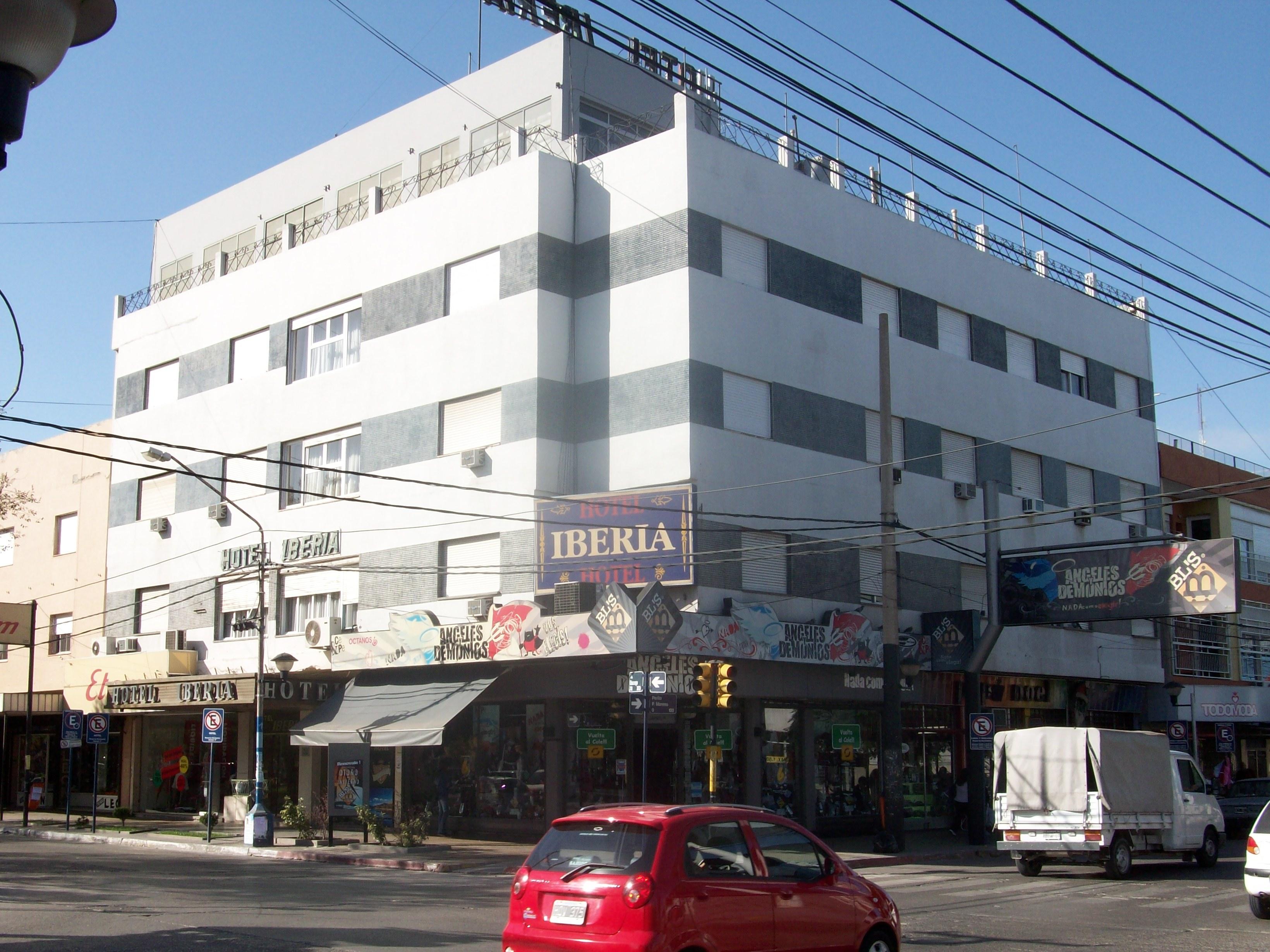
Neuquén
R$648 / night
Must-sees, local secrets, experiences, and hotels — filter layers and tap the pins.
Everything you need to know to plan your trip
Get notified when hotel prices in Neuquén drop. No spam.
We use your email only to send this price alert. Unsubscribe anytime.
Extend your trip to incredible destinations nearby
Still unsure? See side-by-side comparisons to decide.
We personalize every moment of your journey — from iconic landmarks to hidden cultural gems.
Available 24/7 · Personalized consultations · Local expertise
Updated on July 26, 2026 · Methodology · Authors
Sources
Testimonials
Stories from travelers who have already visited. Share your experience — your comment appears in the cards below.
Visiting Neuquén exceeded all expectations. The energy of the place is contagious!
Olívia Fontes
Traveler from Brasília
We traveled as a family and Neuquén delighted kids and adults alike. Great hotel and attraction picks.
Simone Aragão
Traveler from Salvador
I arrived without a fixed itinerary and Neuquén surprised me at every corner. So welcoming.
Wagner Lisboa
Traveler from Manaus
Stayed near downtown and walked everywhere. Neuquén is even better on foot.
Arthur Klein
Tourist from Germany


