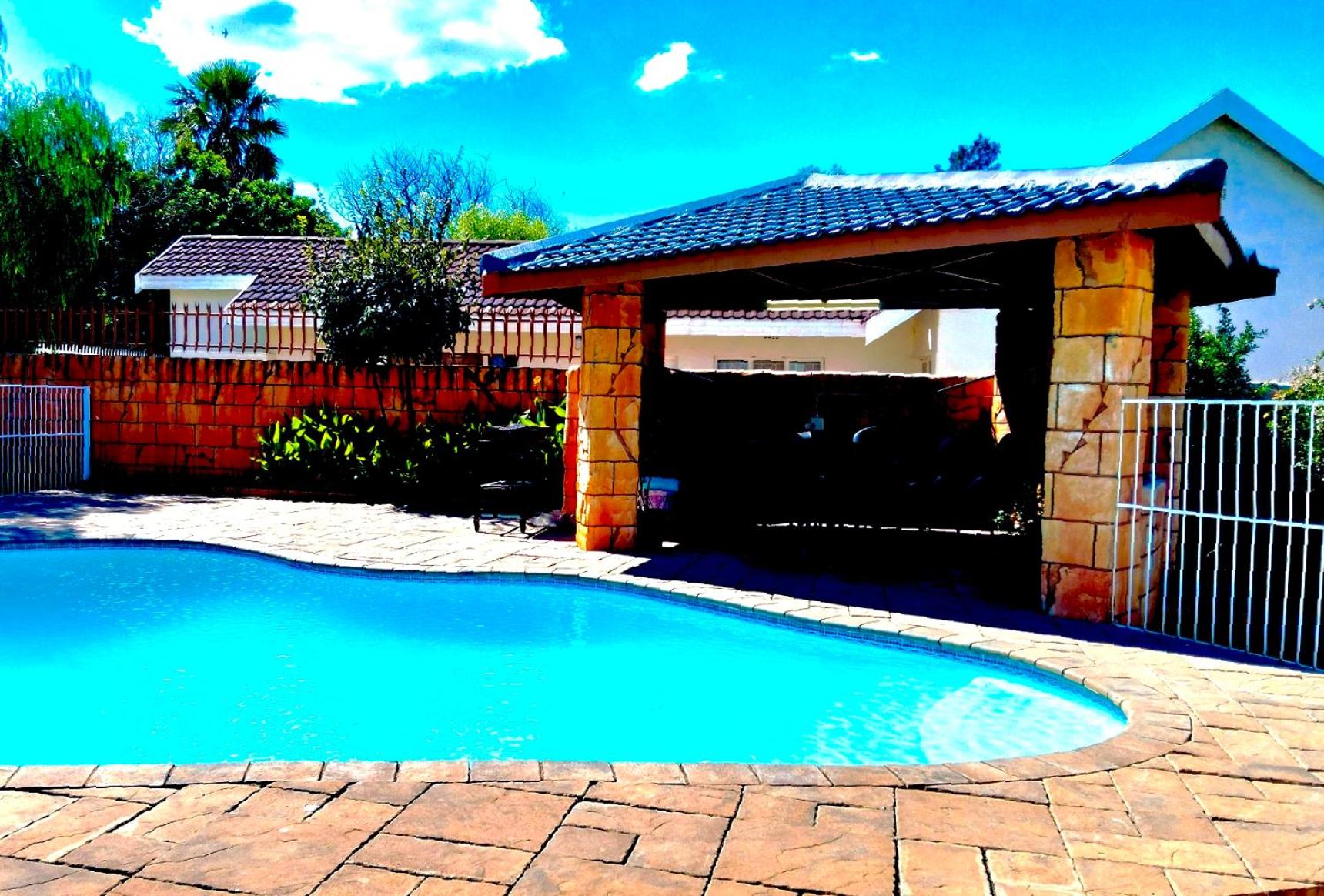
Kimberley
Midway Overnight Rooms
R$351 / night

Destination
Discover Midway, an historically pivotal location in the Pacific. Explore the dramatic Battle of Midway and this unique destination.
Midway · Brasil
Photos
Discover the landscapes and culture of Midway


Editorial guide with history, culture, and practical tips to plan your trip.
Midway is a site whose fame is intrinsically linked to one of the most decisive military events of the 20th century: the Battle of Midway. More than a traditional tourist destination, it represents a crucial historical stage during World War II. Located in the vast and strategic Pacific Ocean, the name Midway evokes a narrative of monumental air-naval confrontation between the greatest military powers of the time—the United States and the Empire of Japan.
This location is not known for its everyday scenic beauty, but rather for the immense strategic importance it held in the Pacific theater of operations. The battle that unfolded in June 1942 was a turning point in the Pacific War with global implications that redefined the course of world history.
For those who visit or study the region, Midway offers a unique perspective on how military technology, human resources, and strategy can shape the destiny of great civilizations. It is a convergence point between historical geopolitics and the power of the open sea.
The history associated with Midway is marked by the dramatic escalation of World War II conflicts. The global scenario was permanently altered after initial attacks that set the rhythm of war in the Pacific. A crucial and emblematic starting point were the events at Pearl Harbor, whose occurrences formally marked the beginning of the Pacific Theater of Operations.
The Battle of Midway did not happen immediately following this seminal attack; it occurred six months later. This time interval is significant, as it indicates a period of preparation and intensified tensions between US forces and Japanese Imperial troops. The increased military presence in the region signaled an imminent large-scale confrontation.
In June 1942, it was against this growing backdrop that the Battle of Midway erupted. It was a colossal and complex engagement, classified as an air-naval battle, meaning it involved both the power of naval fleets and the constant support and attack from aircraft. The outcome of this combat was decisive for the balance of power in the Pacific Ocean.
The conflict pitted two major powers against each other: the Armed Forces of the United States of America, representing a colossal military force, against the naval and air forces of the Japanese Empire. The fight was bloody, strategic, and determined the future trajectory of both sides.
Culturally, Midway's legacy is vast, transcending mere military records. The location has become a global symbol of resistance, strategic sacrifice, and turning point in international conflicts. The culture surrounding this narrative is deeply rooted in the study of 20th-century military history.
The cultural material permeating the memory of this event includes naval archives, accounts from pilots and sailors, strategic documents, and academic works. These resources not only narrate battles but also bring to light the human aspects—the training, the extreme risk, and teamwork under unprecedented combat conditions.
Pacific Ocean culture, in this specific context, celebrates the human capacity for adaptation to a hostile maritime environment. The communities that today guard these memories preserve a deep sense of naval history, honoring the veterans and strategies implemented during the 1942 engagement.
It is a culture of memory: one that uses the power of historical narrative to understand the nature of modern conflicts and value the peace achieved after great armed confrontations. Midway is therefore, a living museum of world geopolitical history.
Geographically, Midway is situated within the vast context of the Pacific Ocean. This ocean is not merely a mass of water; it is a continental-scale geographical element that historically functioned as the largest naval theater of human history.
Its position in open waters gives the location unique geopolitical characteristics. Being in the Pacific means being in an area of intense maritime circulation and, militarily speaking, a nerve center between powerful continents. The geography dictated the nature of the battle: an air-naval confrontation that depended on perfect coordination between land power (the bases) and fluid power (ships and aircraft).
The geographical features, including oceanic depths and regional winds, played crucial roles in combat tactics. Military strategy had to exploit the maritime geography, taking advantage of currents and visibility to gain tactical advantages over the opponent.
Thus, when considering Midway from a geographical standpoint, we must see more than just a place; we see an intersection of natural forces and human ambitions. It is a vast environment, where distance is measured in nautical miles and strategies are calculated with surgical precision.
Given the geographic setting in the Pacific Ocean, the predominant climate around Midway is characteristic of tropical or subtropical zones. Although the battle specifically took place in June 1942, the area's climatic context directly impacted naval and air operations.
Generally, the combat season in the Eastern Pacific typically presents climatic variations ranging from periods of clear skies and steady winds to more adverse conditions. The marine climate is known for its unpredictability, requiring military commanders to always be ready for sudden changes in atmospheric conditions.
For the aerial operations carried out in June, climate stability was both a risk factor and an opportunity. Ideal conditions (clear sky, high visibility, moderate wind) were vital for combat flight and coordinating the naval fleet. Conversely, storms or dense fog could paralyze critical operations.
Thus, the climate in Midway is not just a natural backdrop; it is an active participant in the historical narrative. Studying this site requires understanding how regional meteorology shaped tactical decisions during military confrontations.
Tourism related to the Battle of Midway is predominantly focused on the history and memory of the conflict. It is not a classic leisure destination, but rather a historical pilgrimage center for World War II enthusiasts, military historians, and strategy students.
Tourist activities involve visits to memorials, naval museums (in areas near the confrontation site), and maritime excursions that trace the course of the battles. These locations preserve historical artifacts, from vintage aircraft to replicas of vessels involved in the combat.
The modern visitor can delve into thematic guides about the logistics of the clash, studying the different phases of the battle—the initial Japanese attack, the American counteroffensive, and the climax of the air-naval engagement. The experience is highly educational and immersive.
The tourism sector in this context values knowledge. Local guides are essential for contextualizing the events of June 1942, explaining how a specific attack on Midway was crucial to reversing Japanese dominance in the Pacific.
The Battle of Midway is a rich source of military curiosities. One of the most notable aspects is that it was defined by the 'air-naval' nature of the confrontation. Unlike earlier purely naval battles, air power was not merely support; it was an integral and decisive part of the strategy.
Japan's initial attack on Pearl Harbor was the catalyst for the entire sequence of events. Without this event, the preparation and subsequent Battle of Midway in June 1942 would have lacked a different context and urgency. This is a historical point worthy of highlight.
Another fundamental curiosity lies in the magnitude of the shift in power: the confrontation occurred between US forces (USA) and the Japanese Empire. The outcome of the battle marked, unequivocally, the transition from Asian strategic dominance to a balance of power favoring the Allies.
Finally, the time frame is remarkable: the battle occurred six months after the initial impact at Pearl Harbor. This interval was not accidental; it represented the window of time during which both fleets reorganized their resources and strategies to position themselves at the crucial location that gave its name to the event: Midway.
Everything you need to know to plan your trip
Reference figures to help plan your trip
Attractions
9
Selected stays available to book
101 travelers searched Midway this week
Stays for these dates are among the most sought-after in Midway
Kimberley
R$351 / night

Baku
R$750 / night

Oamaru
R$737 / night

Baku
R$467 / night

Wellington
R$534 / night

Região de Auckland
R$533 / night

Dallas TX
R$745 / night

Park City, UT
R$1,448 / night

Chicago IL
R$1,360 / night

Chicago IL
R$1,675 / night

Chicago IL
R$2,051 / night

Chicago IL
R$1,162 / night
Must-sees, local secrets, experiences, and hotels — filter layers and tap the pins.
Everything you need to know to plan your trip
Get notified when hotel prices in Midway drop. No spam.
We use your email only to send this price alert. Unsubscribe anytime.
Extend your trip to incredible destinations nearby
Still unsure? See side-by-side comparisons to decide.
We personalize every moment of your journey — from iconic landmarks to hidden cultural gems.
Available 24/7 · Personalized consultations · Local expertise
Updated on July 26, 2026 · Methodology · Authors
Sources
Testimonials
Stories from travelers who have already visited. Share your experience — your comment appears in the cards below.
Visiting Midway exceeded all expectations. The energy of the place is contagious!
Elaine Coutinho
Solo traveler
We traveled as a family and Midway delighted kids and adults alike. Great hotel and attraction picks.
Hugo Santana
Local from Belo Horizonte
I arrived without a fixed itinerary and Midway surprised me at every corner. So welcoming.
Karen Abreu
Trip planner
Stayed near downtown and walked everywhere. Midway is even better on foot.
Nelson Duarte
Retired couple
