
Mexicali
Hotel Araiza Mexicali
R$977 / night
Destination
Discover Mexicali, the capital of Baja California. Known as 'the city that captured the sun,' this border gem offers unique desert landscapes in Mexico.
Mexicali · Brasil
Photos
Discover the landscapes and culture of Mexicali


Editorial guide with history, culture, and practical tips to plan your trip.
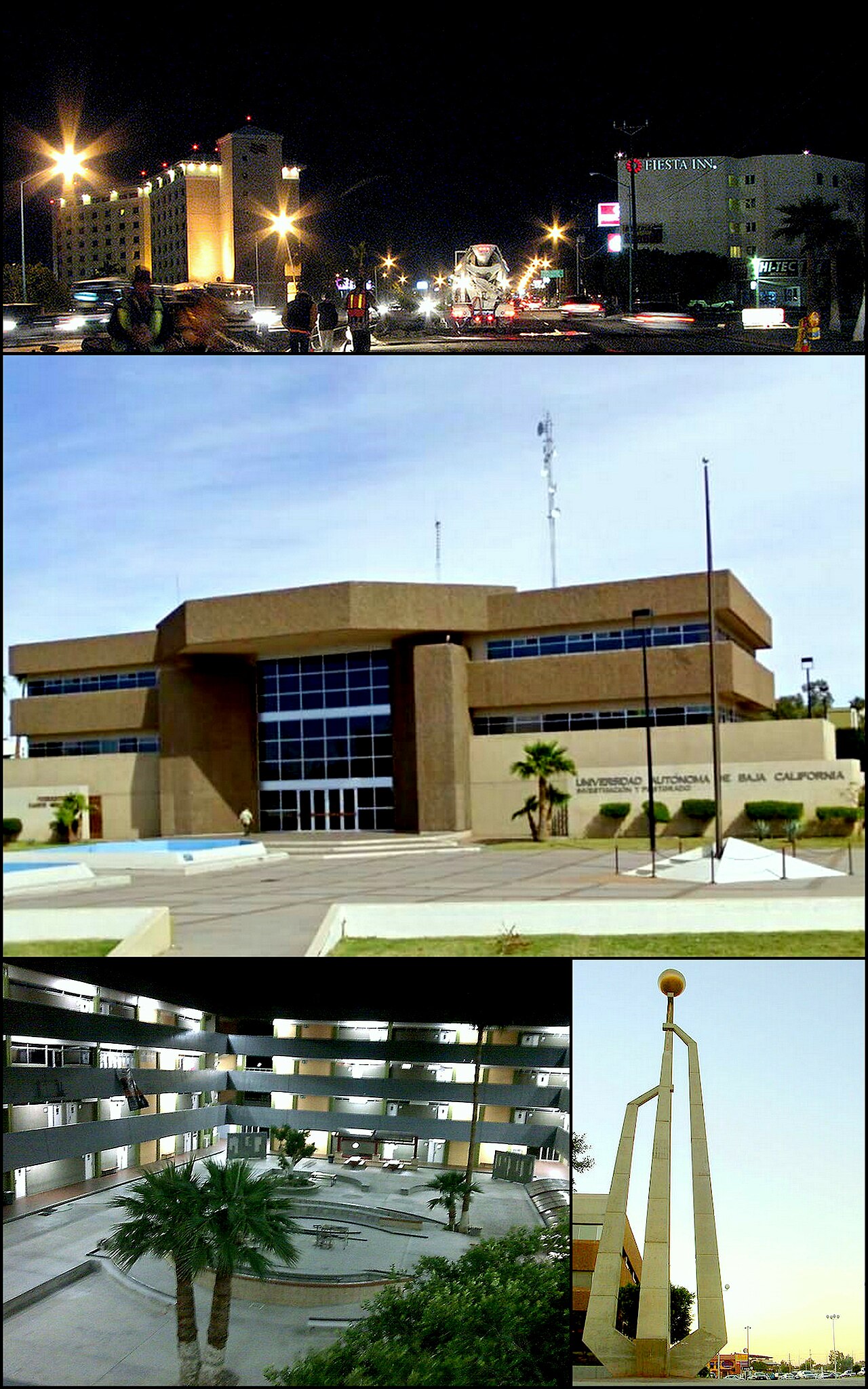
Mexicali is more than just a point on the map; it is the vibrant capital of Baja California State, situated in Mexico. This unique city holds the title of being the northernmost location in all of Latin America, giving it a geographically and culturally marked position in the border region.
With a robust population estimate of around 862 thousand inhabitants, Mexicali flourishes in the heart of northern Mexico. Its identity is forged by the intersection of cultures and the vigor of the desert climate. The city attracts visitors and residents with a unique combination of modern urban development and the indomitable strength of the arid nature surrounding it.
Its name itself tells a piece of its history, resulting from the geographic union of the words Mexico and California. This nomenclature not only celebrates its local context but also reflects its deep roots in cross-border trade with the United States.
Mexicali's trajectory has a clear historical milestone: it was founded in 1903. This year marks the official beginning of the urban life we know today, positioning the city as a growing hub in Baja California and the northern Mexican scene.
The development of the city is closely tied to its strategic location. Since its early years of growth, Mexicali has been shaped by its proximity to the U.S. border. This geographic position ensured that the city became a vital point in the commercial and cultural flow between two neighboring countries.
As its name suggests, Mexicali's history is a narrative of fusion. It represents not only the union of the names Mexico and California but also the historical meeting of the cultural and economic influences of the Pacific and the American continent, establishing a rich and dynamic past that manifests in contemporary life.
Located in northern Baja California State, Mexicali has a privileged and highly strategic geographical position. It is situated directly along the border with the United States, which defines much of its social and economic dynamic. This transnational adjacency makes it a center of human convergence.
Geographically, it is notable not only for its state (Baja California) but also for its unique status as the northernmost city in Latin America. This title underlines its importance in terms of territorial extent and regional dominance in the north of the continent.
Its landscape is typically desert, reflecting the climate that dominates the entire area. This arid and open geography contributes to a feeling of being on the natural edge of civilization, where life flourishes despite extreme environmental conditions.
The climate in Mexicali is undeniably desert, a determining factor that shapes both the lifestyle and the local architecture. The climatic features are marked by extreme aridity and significant temperature variations throughout the year.
One of the most notable aspects of the city's climate is its low annual precipitation. Mexicali receives an average of less than 80 mm of rain annually. This figure places it as one of the driest cities not only in Mexico but also an impressive climatic feat for an area with a population exceeding half a million people.
However, it is summer that gives the city its popular nickname. Temperatures during this season are extremely high, reaching 50°C or more annually. This combination of intense heat and low humidity defines the pace of life in the capital and requires constant adaptation from its inhabitants.
The culture in Mexicali is a fascinating mosaic that reflects its position at the crossroads of Mexican and American cultures. The border proximity not only drives the economy but permeates the way of life, gastronomic traditions, and social interactions.
The city's cultural identity is forged by resilience in the face of its challenging environment. Living in the desert teaches a deep appreciation for natural resources and the intense rhythm of the sun. This vibrancy is captured in its nickname: "the city that captured the sun."
Although the cultural focus is adaptation to the extreme environment, there is a strong influence from cross-border culture. Artistic expressions, eating habits, and even the fast pace of commerce reflect this multicultural duality. It is a place where Mexican traditions meet and interact with North American influences, creating a unique cultural melting pot in Latin America.
Tourism in Mexicali is an experience that embraces the intensity of the desert and border dynamism. Far from traditional tourist routes of beaches or lush forests, the focus here is on experiencing an extreme and multicultural environment.
For the traveler, the main attraction is witnessing a metropolis thriving under conditions of extreme aridity. Visits explore everything from architecture adapted to the heat to vibrant border commercial centers.
A trip requires special preparation for tourists to deal with high temperatures and desert climate, but rewards them with an immersion in a culture of resistance and adaptation. Mexicali invites those who seek authentic destinations where nature imposes limits and humans find extraordinary ways to flourish.
Mexicali carries several fun facts that underscore its uniqueness in the Latin American scene. One of the most striking is its popular nickname: "the city that captured the sun." This name is not mere poetry but a recognition of the intense and constant heat it experiences during the summer months.
Another notable curiosity lies in its climatic statistics. By receiving less than 80 mm of annual rain, Mexicali holds the title of being one of the driest cities in Mexico for its population category (over 500,000 inhabitants). This achievement makes it a fascinating case study on urban development in desert environments.
Finally, it is important to recall the city's toponymic origin. The name "Mexicali" is a brilliant linguistic fusion: Mexico and California. This combination not only identifies its geographic context but also symbolizes the spirit of union that moves this large metropolis in the far north of the continent.
Everything you need to know to plan your trip
Recommended stay
3 days
Reference figures to help plan your trip
Hotels in the area
50
Attractions
9
50 properties · high demand in Mexicali this season
195 travelers searched Mexicali this week
Stays for these dates are among the most sought-after in Mexicali
Mexicali
R$977 / night

Mexicali
R$1,088 / night

Mexicali
R$692 / night

Mexicali
R$599 / night

Mexicali
R$1,136 / night

Mexicali
R$580 / night

Mexicali
R$529 / night

Mexicali
R$682 / night

Mexicali
R$832 / night

Mexicali
R$648 / night

Mexicali
R$948 / night

Mexicali
R$692 / night
Must-sees, local secrets, experiences, and hotels — filter layers and tap the pins.
Everything you need to know to plan your trip
Get notified when hotel prices in Mexicali drop. No spam.
We use your email only to send this price alert. Unsubscribe anytime.
Extend your trip to incredible destinations nearby
Still unsure? See side-by-side comparisons to decide.
We personalize every moment of your journey — from iconic landmarks to hidden cultural gems.
Available 24/7 · Personalized consultations · Local expertise
Updated on July 26, 2026 · Methodology · Authors
Sources
Testimonials
Stories from travelers who have already visited. Share your experience — your comment appears in the cards below.
Visiting Mexicali exceeded all expectations. The energy of the place is contagious!
Daniel Figueiredo
Backpacker
We traveled as a family and Mexicali delighted kids and adults alike. Great hotel and attraction picks.
Graziela Pacheco
Repeat visitor
I arrived without a fixed itinerary and Mexicali surprised me at every corner. So welcoming.
João Victor
Traveler from Recife
Stayed near downtown and walked everywhere. Mexicali is even better on foot.
Monique Barbosa
Food enthusiast


