
Mataró
URH Ciutat de Mataró
R$661 / night

Destination
Explore Matão, a vibrant Paulistano municipality strong in agribusiness and industry. Discover its flavors, culture, and the tranquility of inland São Paulo.
Matao · Brasil
Photos
Discover the landscapes and culture of Matao


Editorial guide with history, culture, and practical tips to plan your trip.
Matão is a vibrant and strategically located municipality in the heart of São Paulo state, Brazil. More than just a geographical location, Matão has established itself as a national center of development and productive excellence. Since its formation, the municipality has built a robust identity, mainly highlighted by its crucial role as an agroindustrial hub. It is this powerful fusion between the strength of agriculture and the dynamism of the industrial sector that defines Matão within the Paulistano scenario.
Matão's growth was not an isolated event but a progressive consolidation of its urban and rural areas. Today, its administrative structure is composed of several units that contribute to the region's cultural and economic richness. The municipality consists of the central area of the main seat (sede), the historic and significant district of São Lourenço do Turvo, and the settlement of Silvânia. This combination of urban centers gives the population a rich tapestry of experiences, ranging from the fast pace of industrial centers to the tranquility of primary agricultural areas.
The local economy is a mirror of São Paulo state's vocation, but with its own particularities. Matão has a strong and multifaceted presence in sectors vital for Brazil. Its agroindustrial prominence not only sustains local life but also drives productive chains that reach broader markets, cementing its position as an economically important regional engine.
Although the historical details are diverse and deeply linked to the development of São Paulo state, Matão's modern narrative is intrinsically linked to its productive vocation. The area's history reveals a process of gradual occupation that culminated in the formation of highly specialized economic centers.
The current structure of the municipality reflects this historical and administrative evolution. The existence of the main seat, alongside the maintenance and cultural importance of the district of São Lourenço do Turvo and the settlement of Silvânia, recounts distinct chapters of community development. Each of these cores contributed to weaving the social fabric that characterizes Matão.
Over time, the region managed to capitalize on its natural and geographical advantages. The agroindustrial history of the municipality is marked by adaptability and success in incorporating technology into primary sectors. It was this focus on transforming natural resources into high value-added goods—whether sugarcane, citrus fruits, or manufactured products—that shaped the historical identity and economic prestige that Matão enjoys today.
Matão's culture is a direct reflection of its economic vigor. It is not static culture, but rather a dynamic and vibrant manifestation driven by the labor force in agroindustrial and industrial sectors. The production routine shapes customs, gastronomy, and social interactions within the municipal boundaries.
The work ethic permeating the sugar-energy sector is a cultural pillar; it represents an ethics of dedication to the productive cycle and the transformation of raw materials. This culture of doing is celebrated in various festivities and in the community organization itself, where cooperation among different sectors (the main seat, São Lourenço do Turvo, and Silvânia) is fundamental for collective success.
Literature, oral traditions, and even the rhythm of daily life in Matão are permeated by a sense of belonging to the productive land. The local culture values technical knowledge, resilience, and capacity for innovation—essential elements for sustaining such diversified activities, ranging from citrus fields to industrial production lines.
Located in São Paulo state, Matão occupies a privileged geographical position within the country's agricultural and industrial macro-region. This location facilitates access to important transport routes, connecting the municipality to major consumer and logistics centers of Brazil.
Geometrically, Matão is a mosaic of environments. Its borders are delimited by the interaction between urbanized areas and vast rural spaces that are the true economic engines. This geographical duality is notable: on one hand, the development of administrative seats; on the other, the immensity of fields where agroindustrial activities flourish.
The physical composition of the municipality also deserves highlight. It is structured and inhabited by the confluence of distinct areas that guarantee its territorial and social scope. The presence of the urban main seat, combined with the autonomy and historic charm of the São Lourenço do Turvo district and the structure of Silvânia settlement, ensures a diverse human geography, rich in life and development prospects.
Due to its location in inland São Paulo, Matão enjoys a tropical altitude climate that has been historically favorable for intensive cultivation. The climatic conditions are particularly suitable for the types of agricultural production for which the municipality is proud.
The hot and humid climate, typical of the region, offers the ideal environment for the complete sugarcane cycle (the sugar-energy sector), which requires both heat and adequate water regime. This climatic characteristic not only sustains renewable energy production but also contributes to the flourishing citrus industry.
It is this stability and climatic suitability that allow producers to maintain a continuous agroindustrial activity throughout the year, requiring, in turn, a robust industrial framework. The climate in Matão is not just a backdrop; it is a fundamental partner in productive chains, determining the cycles of work and the wealth emanating from the surrounding fields.
Tourism in Matão possesses a nature deeply rooted in its economic activities. Far from being merely a passive leisure destination, it is possible to experience what is called 'industrial agro-tourism' and culture, offering visitors a unique perspective on Brazilian production complexity.
Tourist routes can explore everything from the historical aspects of the São Lourenço do Turvo district, preserving its charm and local architecture; to providing *immersion* into industrial processes. Visitors can follow the sugar-energy cycle or learn more about the technology behind cutting-edge citrus cultivation.
For those seeking a trip that combines Paulistano culture with advanced rural experiences, Matão is an unmissable destination. It is possible to enjoy the hospitality of the three cores – the main seat, São Lourenço do Turvo, and Silvânia – experiencing a pace of life where tradition meets industrial advance. Tourism here celebrates the complete cycle: from planting to final product, showcasing Matão's transformative strength.
What truly distinguishes Matão is the singular balance and synergy among its diverse economic pillars. It is not just a municipality with several strong sectors; it is an interconnection where one feeds another, creating a self-sustaining development ecosystem.
The sugar-energy strength and citrus power are the most visible manifestations of this wealth. Together, they not only feed the country's food and energy markets but also generate constant demand for specialized labor in the adjacent industrial sector. This economic diversity ensures that Matão remains a resilient and constantly evolving hub.
Matão is a practical example of how territorial administration—organized by the main seat, the São Lourenço do Turvo district, and the Silvânia settlement—can function as a cohesive organism. This organization not only shares resources but also enhances joint development in multiple fronts, solidifying its reputation as an agroindustrial powerhouse on the Brazilian map.
Everything you need to know to plan your trip
Language
Portuguese
Reference figures to help plan your trip
Attractions
8
Selected stays available to book
197 travelers searched Matao this week
Stays for these dates are among the most sought-after in Matao
Mataró
R$661 / night

Mataró
R$652 / night

Matane
R$1,421 / night

Mataró
R$610 / night

Costa Maya
R$199 / night

Mataram
R$206 / night

Fort Myers Beach FL
R$703 / night

Mataram
R$140 / night

Yogyakarta
R$274 / night

Mataram
R$140 / night
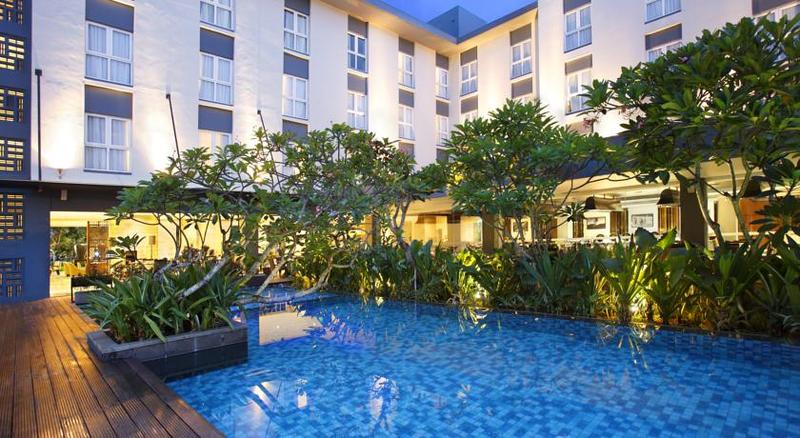
Mataram
R$219 / night
Must-sees, local secrets, experiences, and hotels — filter layers and tap the pins.
Everything you need to know to plan your trip
Get notified when hotel prices in Matao drop. No spam.
We use your email only to send this price alert. Unsubscribe anytime.
Extend your trip to incredible destinations nearby
Still unsure? See side-by-side comparisons to decide.
We personalize every moment of your journey — from iconic landmarks to hidden cultural gems.
Available 24/7 · Personalized consultations · Local expertise
Updated on July 25, 2026 · Methodology · Authors
Sources
Testimonials
Stories from travelers who have already visited. Share your experience — your comment appears in the cards below.
Visiting Matao exceeded all expectations. The energy of the place is contagious!
João Victor
Traveler from Recife
We traveled as a family and Matao delighted kids and adults alike. Great hotel and attraction picks.
Monique Barbosa
Food enthusiast
I arrived without a fixed itinerary and Matao surprised me at every corner. So welcoming.
Priscila Gomes
Friend group
Stayed near downtown and walked everywhere. Matao is even better on foot.
Tiago Bueno
Traveler from Campinas

