
Lubbock, TX
Wingate by Wyndham Lubbock TX South
R$527 / night

Destination
Discover Lubbock, Texas! Explore this historic Texan city and find unique local attractions. Plan your trip with tips on culture, dining, and activities.
Lubbock · Brasil
Photos
Discover the landscapes and culture of Lubbock


Editorial guide with history, culture, and practical tips to plan your trip.
Welcome to Lubbock, a destination representing the vibrant and resilient heart of Texas within the vast panorama of the United States. More than just a geographical stop, Lubbock is a point of convergence of history and population development, deeply rooted in the culture and unique landscape of the Texan state. Strategically located within the administrative structure of Lubbock County, the city has assumed the crucial role of being the seat of this important municipality.
Lubbock's identity is intrinsically linked to its position in Texas, a state known for its vast territorial expanse and the richness of its diverse cultures. From its early days to the present, the city has established itself as a significant center, attracting and accommodating a population that contributes to regional dynamism. Lubbock's demographic importance is notable: it stands out among the largest population concentrations in the state, ranking among the ten most inhabited cities throughout Texas.
When visiting this Texan gem, the traveler discovers a place where ancient history and modern growth coexist harmoniously. The city does not merely exist; it pulsates with the energy of being an established urban center, maintaining a deep connection both to its local heritage and to contemporary market trends. Lubbock is therefore more than a destination—it is an immersive experience in one of the most fascinating and developed regions of the United States.
The historical trajectory of Lubbock is marked by significant milestones of growth and establishment. Its official founding dates back to 1890. This initial period was not just the physical beginning of the city, but the start of a cycle of colonization and development that would shape its urban and social structure to this day.
The process of consolidation was gradual and methodical. After being founded in 1890, the community went through crucial stages of administrative formalization. A decisive milestone in this chronology is the year 1909, when Lubbock finally incorporated, assuming its full municipal structure. This event was not merely a bureaucratic record; it represented the recognition and stability of the growing community, allowing it to plan and expand its services and infrastructure.
Throughout the decades following its initial founding, Lubbock maintained a constant pace of expansion. This historical evolution reflects its strategic role in Texas. From a small settlement founded over a century ago, the city grew exponentially in importance and size. Its history tells the classic tale of American development: starting modestly, overcoming challenges, and consolidating itself as a demographic power within its state.
Lubbock's culture is a rich mosaic that reflects the historical tapestry of Texas itself. As the seat of Lubbock County, the city naturally becomes a pole of convergence for diverse traditions and cultural influences. The local identity is deeply rooted in the Texan spirit, a vibrant mix of American Southern roots with unique touches that only this region can offer.
Although cultural manifestation is vast, the central element is a strong sense of community and an appreciation for tradition. Life in the city pulses at a pace that values both community events and local arts. Lubbock's population dynamism—being one of Texas' most populous cities—sustains an active cultural scene, with countless opportunities for culture to flourish and manifest.
Exploring daily life in Lubbock means absorbing a lifestyle that values social bonds. The true cultural essence resides in the interaction among its inhabitants: the warmth of Texan hospitality mixed with the vigor of modern institutions and resilience forged by time. Culture is celebrated not only in major events but in the daily rhythm of its streets and neighborhoods.
Geographically, Lubbock occupies a singular position on the map of Texas. It is specifically located within the county that bears its name: Lubbock County. This central location within the administrative structure is fundamental to its function as a municipal seat, guaranteeing it significant geographical and operational relevance in the region.
The area surrounding Lubbock is part of the vast geographical system of the Texas Panhandle and adjacent regions. This positioning on extensive plains gives the city the character of a vital regional center, capable of serving as a development axis for various neighboring localities. Geography does not only determine the physical backdrop but also the economy and standard of living of its inhabitants.
Being in Lubbock County means being in a region with distinct geographical characteristics, often associated with the plains and semi-arid climate of the American Southwest. This vast landscape provides an impressive background for the city's urban development. Geography is the stage where the founding history (1890) and accelerated growth (incorporated in 1909) were dramatically staged, creating a modern metropolis anchored in historical terrain.
Due to its geographical location in Texas, Lubbock experiences a climate characteristic of the plains and semi-arid regions of the American Southwest. While the source text does not provide specific climatic details (such as temperature averages or seasonality), the nature of its geographical positioning suggests significant variations throughout the year.
The climate tends to be characterized by well-defined seasons, a typical pattern for the interior regions of the US. Days can feature high temperatures and dry periods, requiring the population to adapt to a pace of life that considers both intense heat and seasonal climatic changes.
This adaptation to the regional climate contributes to the city's resilient profile. The infrastructure and way of life in Lubbock reflect a profound understanding of local environmental conditions. Regardless of the month or season, the strength of the community remains constant, adapting to the Texan environment that supports it.
Tourism in Lubbock is driven by its combination of established history and its role as a relevant urban center in Texas. As one of the state's ten most populous cities, the city attracts visitors interested in exploring daily Texan life, mixing historical elements with modern vibrancy.
Tourist attractions are not limited to grand monuments; they are often integrated into the experience of living in Lubbock. Travelers can marvel at vestiges of the past dating back to its founding in 1890, while enjoying the conveniences and dynamism of a significant population hub. Texan hospitality, a hallmark of the region, is an invitation for immersive tourism.
The visitor will find more than just sightseeing spots; they will discover the vitality of a consolidated market. Whether exploring historic neighborhoods or utilizing modern facilities maintained since its incorporation in 1909, tourism in Lubbock promises an authentic and rich view of Texan life.
A notable fact about Lubbock is its growing demographic status. The city is not merely a point on the map; it is a considerable center of population attraction within Texas, ranking as the ninth most populous city in the state. This ranking underscores its economic and social importance to the entire region.
This high population density means that Lubbock maintains robust and diverse infrastructure. It manages to balance the charm of a historic center with the operational needs of an expanding metropolis. It is this fascinating balance between past and present that makes the city so unique for visitors.
Another interesting aspect is how its founding date (1890) contrasts with the time of its administrative formalization (1909). This time interval does not only mark historical periods but also tells the story of the organization and community effort necessary to transform a settlement into a fully established city. Lubbock is, therefore, an open book on American urban evolution in the 20th century.
Everything you need to know to plan your trip
Reference figures to help plan your trip
Attractions
9
Selected stays available to book
165 travelers searched Lubbock this week
Stays for these dates are among the most sought-after in Lubbock
Lubbock, TX
R$527 / night

Lubbock, TX
R$2,264 / night
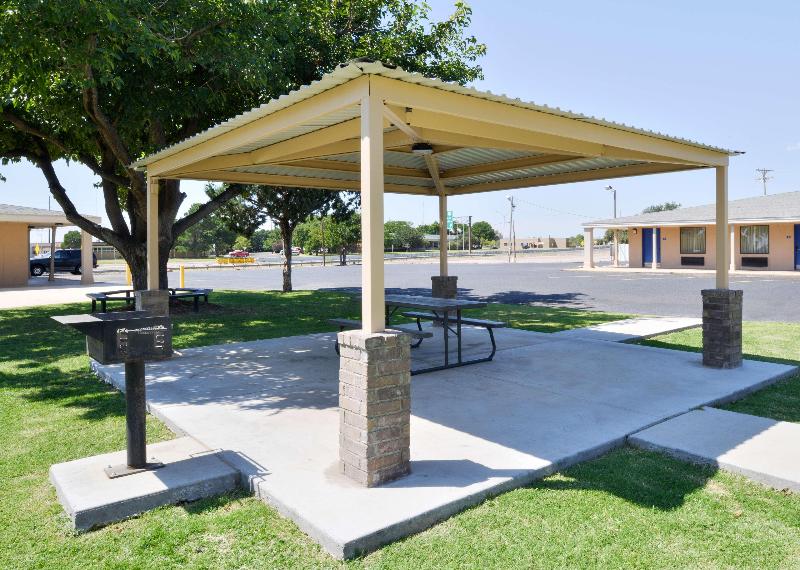
Lubbock, TX
R$487 / night

Lubbock, TX
R$1,733 / night

Lubbock, TX
R$1,203 / night
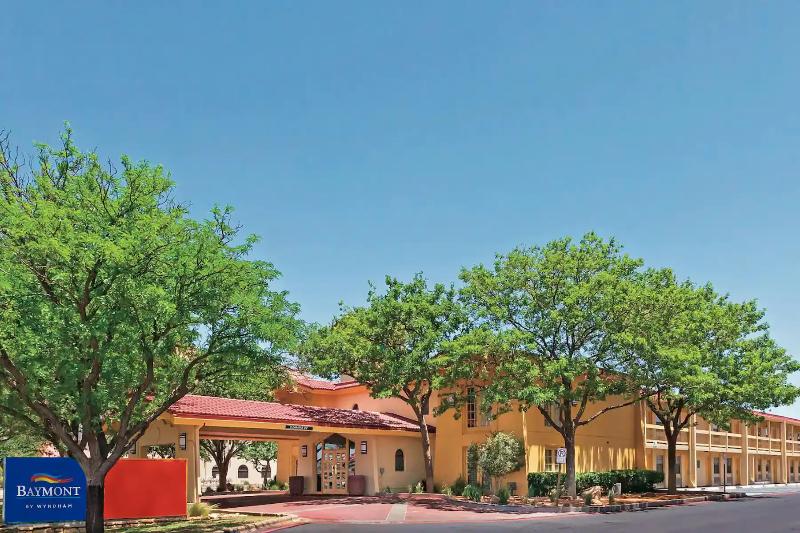
Lubbock, TX
R$692 / night

Lubbock, TX
R$1,222 / night

Lubbock, TX
R$1,688 / night

Lubbock, TX
R$1,729 / night

Lubbock, TX
R$1,558 / night

Lubbock, TX
R$2,405 / night

Lubbock, TX
R$1,322 / night
Must-sees, local secrets, experiences, and hotels — filter layers and tap the pins.
Everything you need to know to plan your trip
Get notified when hotel prices in Lubbock drop. No spam.
We use your email only to send this price alert. Unsubscribe anytime.
Extend your trip to incredible destinations nearby
Still unsure? See side-by-side comparisons to decide.
We personalize every moment of your journey — from iconic landmarks to hidden cultural gems.
Available 24/7 · Personalized consultations · Local expertise
Updated on July 25, 2026 · Methodology · Authors
Sources
Testimonials
Stories from travelers who have already visited. Share your experience — your comment appears in the cards below.
Visiting Lubbock exceeded all expectations. The energy of the place is contagious!
Simone Aragão
Traveler from Salvador
We traveled as a family and Lubbock delighted kids and adults alike. Great hotel and attraction picks.
Wagner Lisboa
Traveler from Manaus
I arrived without a fixed itinerary and Lubbock surprised me at every corner. So welcoming.
Arthur Klein
Tourist from Germany
Stayed near downtown and walked everywhere. Lubbock is even better on foot.
Cíntia Rodrigues
Family with kids


