
Lins
Blue Tree Thermas de Lins Resort
R$1,400 / night

Destination
Discover Lins, a charming municipality in central-west São Paulo. Explore its history, culture, and must-see attractions. Plan your trip!
Lins · Brasil
Photos
Discover the landscapes and culture of Lins


Editorial guide with history, culture, and practical tips to plan your trip.
Lins emerges as a municipality of significant prominence within the rich cultural and geographic tapestry of the state of São Paulo, Brazil. Its strategic location places it directly in the central-west region of São Paulo—an area known for its diverse landscapes and strong connection to the country's inland development. For those seeking to discover the genuine soul of Paulistan culture away from the most saturated tourist circuits, Lins offers an authentic glimpse into community life and local history.
Demographically, the municipality boasts a robust population that reflects its constant growth and importance to the surrounding region. According to preliminary estimates from the 2022 Census, conducted by the Brazilian Institute of Geography and Statistics (IBGE), the resident population was estimated at approximately 74,068 people. This data not only quantifies the resident population but also points to a vibrant and active community, with a dense social fabric that sustains countless economic, cultural, and social activities.
Structurally, Lins is composed of two essential parts: its main urban center (the seat) and the historic district of Guapiranga. This dual composition ensures not only territorial expansion but also the preservation of different local life cores. The coexistence between the dynamism of the central area and the more traditional roots of the district profoundly enriches the residential and cultural profile of its inhabitants, creating a unique Paulistan mosaic.
Although detailed historical records are not immediately available, Lins' very existence as an established municipality in central-west São Paulo testifies to a trajectory of significant occupation and human development. Lins' history is intrinsically linked to the process of settlement and consolidation of life in the rural and urban areas that now form its boundaries.
The municipality represents a nodal point where Paulistan nature met the desire for permanent settlement and community development. The division into parts, such as the main seat and Guapiranga district, tells different chapters of the same historical narrative: while the central area grows and modernizes to meet the demands of a growing population (estimated near 74 thousand inhabitants), Guapiranga preserves elements that recall older times of Paulistan establishment.
This coexistence between the past, preserved in the features of its original districts, and the driving modernity of the central seat, is a living testament to the multiple phases of colonization and regional development. Lins, therefore, does not merely house a significant population; it carries with it the memories and economic cycles that have shaped central-west São Paulo over time, acting as a mirror of São Paulo's cultural resilience.
The culture in Lins is a direct reflection of its location in the central-west region of São Paulo. It is a culture marked by a strong inland identity, where Gaúcho traditions blend with the welcoming spirit and fast pace of Paulistan development.
With a population exceeding 74 thousand inhabitants according to recent estimates, Lins' cultural strength is palpable. Artistic, culinary, and festive expressions are constantly fueled by the interaction between its different cores—the vigor of the central seat and the historic serenity of the Guapiranga district. This dynamic generates a cultural richness that values roots while embracing progress.
The local culture is in constant dialogue with its origins. It manifests in regional cuisine, folkloric festivals celebrating community life, and the way its inhabitants interact. It is a culture that celebrates family unity and a sense of belonging to the community, serving as a guardian of typical central-west Paulistan customs.
Located in the strategic central-west region of São Paulo state, Lins occupies a geographical space that gives it unique characteristics. Its position allows it to interact with diverse regions and economies, establishing itself as an important regional hub.
From a physical and administrative point of view, the municipality is not unitary in its formation but rather an intelligent and functional composition: the urban seat acts as the administrative and commercial center, while the Guapiranga district adds a distinct historical and geographic layer to its profile. This territorial duality enriches both the urban and rural landscapes surrounding the municipality.
Lins' geography is marked by transitions between more densely populated areas in the central seat and zones with more preserved characteristics, especially in Guapiranga. This geographical distribution not only shapes the daily life of 74 thousand inhabitants but also determines the economic flows that move local life, balancing urban development and regional heritage conservation.
Although specific climatic details for Lins are not highlighted in primary sources, it is possible to outline a general climate profile aligned with the typical tropical highland climate of central-west São Paulo. This feature ensures well-defined seasons and variations that directly influence daily life and agricultural activities.
The climate regime tends to present rainy periods, vital for agricultural development and water resource maintenance, followed by dry seasons. These variations require cultural and economic adaptation from the resident population, which has historically developed in harmony with nature's cycle.
It is a climate that moderates extreme temperatures, characteristic of inland São Paulo, allowing both urban and rural life to flourish. This climatic stability is fundamental for sustaining a large population like the estimated 74 thousand inhabitants, guaranteeing favorable conditions for daily activities in both core areas—the main seat and the Guapiranga district.
Lins' tourism potential is deeply rooted in its authenticity. Instead of focusing only on major attractions, the tourist experience here is an immersion into local life and historical heritage revealed through the coexistence of the modern and the traditional.
Visiting Lins means exploring the fascinating contrast between the dynamic central seat, a hub for commerce and services for its 74 thousand inhabitants, and the preserved features of the Guapiranga district. Tourism here involves discovering small streets, tasting regional cuisine, and absorbing the slow pace of historic communities.
For travelers seeking a genuine connection with Paulistan's central-west culture, Lins offers routes that privilege local knowledge. Tourist activities revolve around community living: participating in local fairs, exploring historical architectures, and understanding how the population has adapted over time, inhabiting a municipality that is a geographical and cultural synthesis.
One of the most interesting aspects of Lins is its municipal structure composed of two distinct identities: the main seat and the Guapiranga district. This division is not merely administrative but culturally rich, granting the municipality a duality that elevates its local appeal.
The estimated population figure of 74,068 inhabitants (according to IBGE's 2022 Census preview) reveals the demographic vigor of the central-west São Paulo region. This large and growing population ensures a constant flow of life, energy, and development for all its sectors.
In summary, Lins is much more than just a geographical location on the edge of the state; it is a living organism formed by the history told in Guapiranga and the pulsating future of its central seat. It is this unique combination of historical tradition and demographic vitality that makes Lins a singular destination in the heart of São Paulo, waiting to be explored by those seeking the true flavor of the interior.
Everything you need to know to plan your trip
Currency
BRL
Language
Portuguese
Recommended stay
3 days
Reference figures to help plan your trip
Hotels in the area
2
Attractions
9
2 properties in the area
84 travelers searched Lins this week
5 stays booked in Lins in the last 7 days
Lins
R$1,400 / night

Lins
R$364 / night

Mecklemburgo-Pomerânia Ocidental
R$1,375 / night

Taipei
R$513 / night

Taipei
R$660 / night

Taipei
R$289 / night

Taipei
R$910 / night

Taipei
R$298 / night

Hualien
R$439 / night

Taipei
R$382 / night
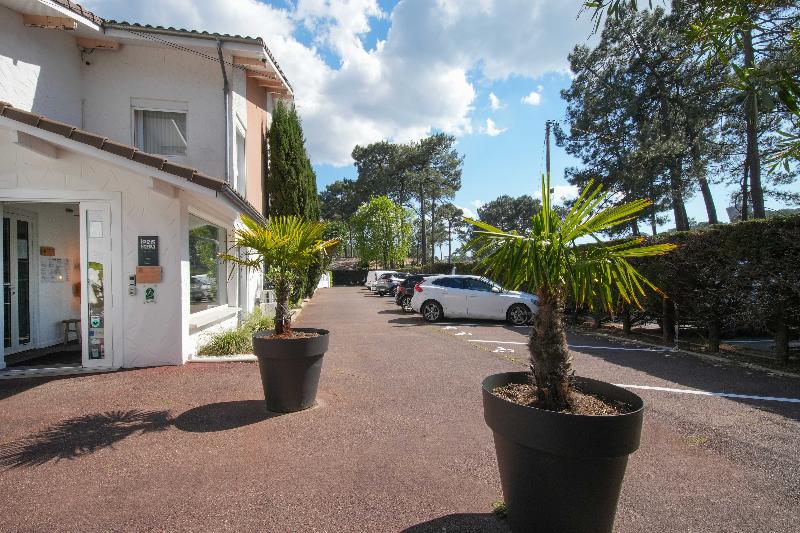
Biscarrosse
R$1,096 / night

Taipei
R$543 / night
Must-sees, local secrets, experiences, and hotels — filter layers and tap the pins.
Everything you need to know to plan your trip
Get notified when hotel prices in Lins drop. No spam.
We use your email only to send this price alert. Unsubscribe anytime.
Extend your trip to incredible destinations nearby
Still unsure? See side-by-side comparisons to decide.
We personalize every moment of your journey — from iconic landmarks to hidden cultural gems.
Available 24/7 · Personalized consultations · Local expertise
Updated on July 25, 2026 · Methodology · Authors
Sources
Testimonials
Stories from travelers who have already visited. Share your experience — your comment appears in the cards below.
Visiting Lins exceeded all expectations. The energy of the place is contagious!
João Victor
Traveler from Recife
We traveled as a family and Lins delighted kids and adults alike. Great hotel and attraction picks.
Monique Barbosa
Food enthusiast
I arrived without a fixed itinerary and Lins surprised me at every corner. So welcoming.
Priscila Gomes
Friend group
Stayed near downtown and walked everywhere. Lins is even better on foot.
Tiago Bueno
Traveler from Campinas
