
Lincolnshire
The Dower House Hotel
R$1,611 / night

Destination
Discover Lincolnshire, a beautiful county in England. Explore rich history, stunning coastlines, and the historic capital, Lincoln. Plan your East Midlands trip!
Lincolnshire · Brasil
Photos
Discover the landscapes and culture of Lincolnshire


Editorial guide with history, culture, and practical tips to plan your trip.
Lincolnshire is one of England's most fascinating and historically rich counties, located in the eastern region of the United Kingdom. This county possesses a privileged geographical location, bordering the vast North Sea—a characteristic that has shaped its history, economy, and even the culture of its inhabitants over the centuries.
Administratively, Lincolnshire is an integral part of the wide English region known as East Midlands. This regional designation not only places it on the British map but also connects it to a specific set of traditions and lifestyles that characterize this heartland area. When visiting Lincolnshire, travelers immerse themselves in an atmosphere that combines coastal grandeur with the serenity of inland landscapes.
The administrative urban core of the county is the city of Lincoln, which serves as a vital cultural and logistical hub for the entire region. The total area of the county covers an impressive 6959 Km², a territorial expanse that allows visitors to explore a remarkable diversity of landscapes—from breezy beaches to tranquil rural marshes.
In terms of demographics, it is possible to observe the population growth and structure of the area. While more specific population data from 2003 indicated a number of inhabitants around 977,727, this figure serves as a historical marker demonstrating the county's size and residential density at a specific time, attesting to its demographic importance within England.
Essentially, Lincolnshire is more than just an administrative division; it is a mosaic of coastal landscapes, medieval cities, and open fields that offer an authentic glimpse into British rural and historical life. Its position on the coast guarantees not only a constant maritime connection but also a rich heritage of activities linked to the sea, trade, and navigation.
The history of Lincolnshire is deeply intertwined with the journey of England and, more specifically, its strategic location on the eastern coast. Being a county that borders the North Sea, its existence has always been shaped by maritime forces—whether through vibrant trade or climatic challenges brought by the water.
While the source does not detail specific historical dates, it is crucial to understand that the concept of Lincolnshire as a county is embedded in a rich tapestry of British medieval and post-medieval development. The city of Lincoln, as its capital, attests to this historical depth, having functioned for centuries as a center of religious, commercial, and political importance in the region.
Its inclusion within the East Midlands is not accidental; it reflects a long geographical and cultural evolution that consolidated this specific area of eastern England. The local history is marked by the development of infrastructures and ways of life adapted to its unique geography—a combination of fertile flatlands and exposed coastlines.
The population, at different times such as the figure registered in 2003 with nearly one million inhabitants (977,727), reflects the county's resilience over time, remaining a significant residential hub within England and serving as a living witness to centuries of British history. This demographic stability across such a vast area of 6959 Km² underlines its practical value to the United Kingdom.
The historical narrative of the location is thus a continuous story of adaptation: adapting to North Sea floods, flourishing as a regional center in East Midlands, and maintaining the distinct identity of its inhabitants under the sign of Lincoln city.
Lincolnshire's culture is a fascinating blend between maritime coastal traditions, the tranquil rhythm of rural East Midlands life, and the rich urban heritage concentrated in its capital, Lincoln. This cultural fusion creates a vibrant atmosphere for visitors who wish to understand the English soul.
Local culture is strongly marked by its identity as an eastern county, an area with strong ties to the North Sea. This connection manifests not only in fishing and port activities but permeates the cuisine, festivities, and the way residents interact with their coastal environment.
Lincoln, the capital, is a cultural epicenter that attracts visitors interested in Gothic architecture, historical markets, and literary traditions. The city itself is an open-air museum of artistic styles spanning centuries, with its historic center being a focal point of English culture.
When speaking of East Midlands, one speaks of a culturally cohesive area, characterized by a strong sense of community and the valuing of local roots. The lifestyle is often described as balanced between the dynamic movement of its urban areas (like Lincoln) and the peaceful beauty of the surrounding rural landscapes.
Culture in Lincolnshire embraces both the fast pace of modernity, reflected by its considerable population and extensive territorial size (6959 Km²), and the respectful slowness of historical time. It is a place where the past is actively lived, being an essential part of the English cultural heritage.
Geographically speaking, Lincolnshire presents well-defined and varied characteristics, shaped by its coastal location and its positioning within the East Midlands region. The county is situated in eastern England, a geography that gives it a distinct identity on the British map.
One of the most striking geographical features is its natural border: it directly borders the majestic North Sea. This coastline defines not only the physical landscape but also the historical economy and ecological challenges of the region. Access to the sea imparts an undeniable maritime character to the entire area.
With a total area of 6959 Km², Lincolnshire covers a vast range of terrains. This geographical area allows for the harmonious coexistence of vast agricultural plains, which sustain part of its population (estimated at 977,727 inhabitants in 2003), and the more rugged features found near the coast.
The county is recognized as being part of the East Midlands region. This geographical designation broadens the context of the destination, linking it to a macro-region that shares geological, climatic, and landscape elements with neighboring counties. The topography varies, passing through fertile valleys suitable for intensive agriculture to more exposed coastal plains.
The capital, Lincoln, is strategically positioned within this geographical framework, serving as a central point that facilitates access and movement throughout this extensive area. Geography, therefore, is the main defining factor of Lincolnshire's identity, balancing between the vigor of the ocean and the fertility of the inland fields.
While detailed climate data is not available in the primary source, Lincolnshire’s geographical location—bordering the North Sea—allows for the drawing of a distinctly characteristic climate profile, typical of English coastal regions. The climate is classified as maritime temperate, influenced directly by the constant and vital presence of the ocean.
The marine influence tends to moderate extreme temperature variations. This means that winters tend to be milder than in inland areas, and summers are less hot but more humid. This climatic moderation gives the county a thermal comfort that makes it pleasant for visits throughout most of the year.
Its location in eastern England ensures that the region receives a good amount of sunlight incidence, although rainfall is frequent and can vary in intensity. The winds from the North Sea are constant, being an element to consider for both beach lovers and local residents.
It should be noted that the vastness of 6959 Km² allows for significant microclimatic variations within the county itself. Coastal areas experience stronger winds and higher air salinity, while the interior, part of the East Midlands, may present a slightly different climate, favoring rich agricultural soils.
In summary, Lincolnshire's climate is dynamic and maritime. It is an environment that invites dressing in layers, respecting the transition between sunny inland days and windy North Sea afternoons.
Tourism in Lincolnshire is multifaceted, catering from the historically-cultural traveler to the coastal sports enthusiast and rural landscape lover. The combination of a vibrant historical capital with the tranquility of agricultural areas makes it an extremely versatile destination.
The primary urban tourist attraction is undoubtedly Lincoln city. As a significant cultural center, it invites visitors on guided tours through its architectural landmarks and preserved medieval atmosphere. The capital is not just a passing point; it is a destination in itself, rich in history dating back to ancient times.
For those seeking outdoor activities, the connection with the North Sea is a constant draw. The beaches and coast offer opportunities for refreshing walks, observing coastal wildlife, and enjoying characteristic sea scenery. Tourist activity here is intrinsically linked to the natural cycles of the tides.
Nature tourism in Lincolnshire explores the vast expanse of 6959 Km², offering trails, scenic routes, and the chance to admire rural landscapes that form the heart of the East Midlands region. The peacefulness of these areas attracts those seeking a more slowed-down pace of life connected with the countryside.
Additionally, the county is a destination for lovers of agricultural and industrial heritage. Old farms, preserved small villages, and its very identity as part of the East Midlands attract cultural researchers and travelers who wish to connect with traditional British daily life, all centered around the experience of the capital, Lincoln.
Lincolnshire holds a series of interesting details in its territory that enrich the visitor's view of this eastern county. The fact that it is situated directly on the North Sea is not just a geographical boundary; it carries with it millennia of maritime and trade history, serving as the cultural engine of the region.
A notable demographic curiosity lies in its population. Data recorded in 2003 pointed to an approximate total of 977,727 inhabitants. This number, within the context of the over 6959 Km² that the county occupies, reveals a considerable and well-established residential importance in England.
Its regional recognition as part of the East Midlands is curious in itself. It demonstrates how Lincolnshire is integrated into a larger cultural ecosystem. This designation not only delimits boundaries but also unites artistic, culinary, and leisure traditions across the county, connecting it to a broader regional identity.
Another peculiar aspect is how the county maintains a balance between its main urban center—the historic city of Lincoln—and its vast rural areas. It is a lived contrast: in only a few kilometers, the visitor can move from busy medieval streets to open fields that seem to touch the North Sea horizon.
In sum, Lincolnshire is a destination of fascinating contrasts. It is the convergence of strategic geographical location (sea and plains), significant population development (around 1 million at its peak record) and rich cultural regional belonging within the East Midlands. These combined elements make this English county a historical gem waiting to be explored.
Everything you need to know to plan your trip
Best time to visit
Spring to Autumn
Currency
GBP (British Pound)
Language
English
Recommended stay
3 days
Timezone
GMT/BST
Reference figures to help plan your trip
Hotels in the area
38
Attractions
9
38 properties · high demand in Lincolnshire this season
51 travelers searched Lincolnshire this week
Stays for these dates are among the most sought-after in Lincolnshire
Lincolnshire
R$1,611 / night

Lincolnshire
R$1,110 / night

Lincolnshire
R$746 / night

Lincolnshire
R$856 / night
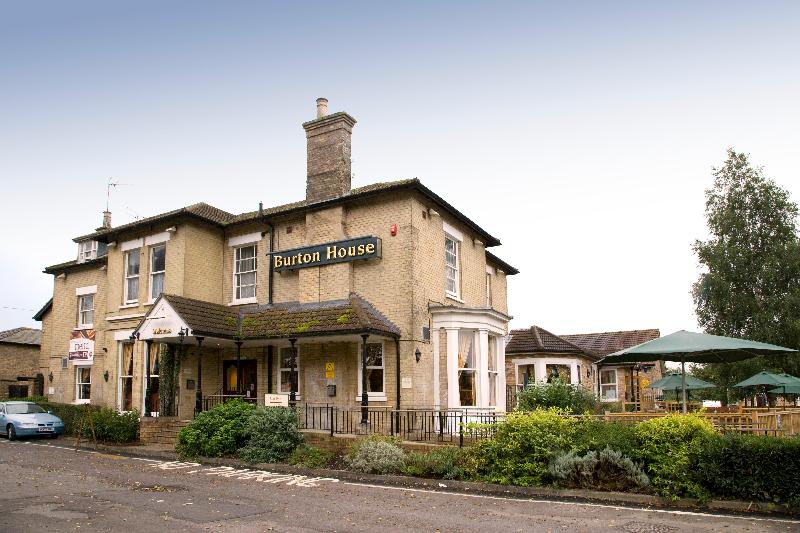
Lincolnshire
R$1,147 / night

Lincolnshire
R$1,195 / night
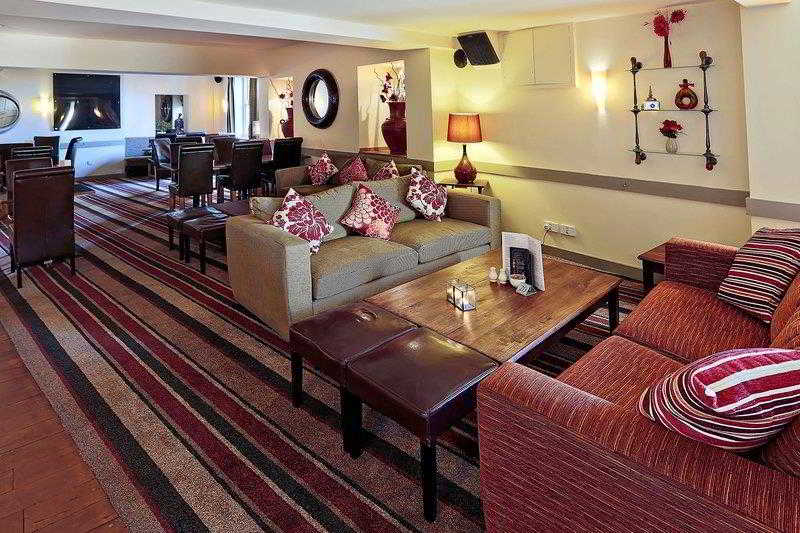
Lincolnshire
R$1,139 / night
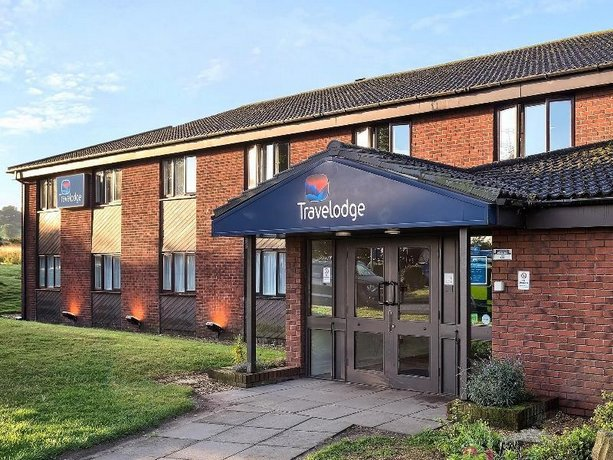
Lincolnshire
R$880 / night

Lincolnshire
R$1,516 / night
Must-sees, local secrets, experiences, and hotels — filter layers and tap the pins.
Everything you need to know to plan your trip
Get notified when hotel prices in Lincolnshire drop. No spam.
We use your email only to send this price alert. Unsubscribe anytime.
Extend your trip to incredible destinations nearby
Still unsure? See side-by-side comparisons to decide.
We personalize every moment of your journey — from iconic landmarks to hidden cultural gems.
Available 24/7 · Personalized consultations · Local expertise
Updated on July 25, 2026 · Methodology · Authors
Sources
Testimonials
Stories from travelers who have already visited. Share your experience — your comment appears in the cards below.
Visiting Lincolnshire exceeded all expectations. The energy of the place is contagious!
Arthur Klein
Tourist from Germany
We traveled as a family and Lincolnshire delighted kids and adults alike. Great hotel and attraction picks.
Cíntia Rodrigues
Family with kids
I arrived without a fixed itinerary and Lincolnshire surprised me at every corner. So welcoming.
Fabiano Lopes
Food lover
Stayed near downtown and walked everywhere. Lincolnshire is even better on foot.
Ingrid Viana
Honeymoon


