
Lima
Sheraton Lima Historic Center
R$513 / night
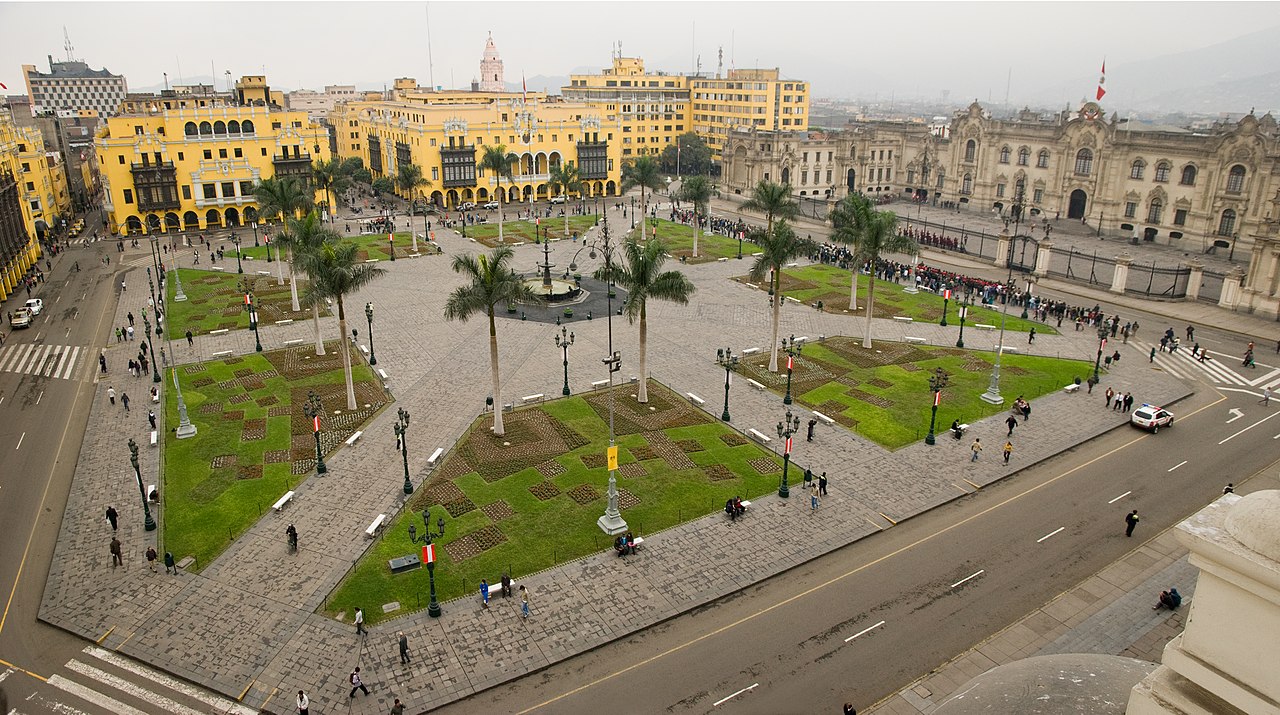
Destination
Discover Lima, the vibrant capital of Peru. Explore river valleys and the Pacific coast in this historically rich and cultural city. Plan your trip!
Lima · Brasil
Photos
Discover the landscapes and culture of Lima


Editorial guide with history, culture, and practical tips to plan your trip.
Lima, the gem of the Peruvian coast and the pulsating heart of the Andes, is not just the capital of Peru; it represents an urban phenomenon of continental proportions. Considered the country's largest metropolis, Lima draws a vibrant landscape where the fast pace of modern life meets rich, millennia-old history. The city is strategically positioned in the river valleys formed by the Chillón, Rímac, and Lurín rivers. This privileged location not only guarantees vital geographic access but also offers a stunning view of the vast Pacific Ocean.
The concept of Lima extends far beyond its central municipal limits. By including the historic seaport of El Callao, it forms the Metropolitan Region of Lima—a massive and contiguous urban core that stands out on the Latin American map. This metropolitan area is not only Peru's most populous but also ranks among the largest urban agglomerations in all of Latin America. It is estimated to reach a population of nearly 12 million inhabitants, an impressive figure reflecting its central role in Peruvian socioeconomic life.
The population magnitude is a crucial indicator of the city's dynamism. With approximately one-third of the entire national population residing in the metropolitan area, Lima functions as the main center of attraction and human concentration. This massive housing density creates a complex and fascinating cultural and commercial web, making this metropolis an unmissable destination for those who wish to experience the grandeur of Peruvian urban life.
While precise historical details are too vast to be condensed into an overview, what is undeniable is that Lima has always been the epicenter of power and administration in Peru. Its growth trajectory accompanies the formation of a regional center of influence of undeniable importance. The very reason it consolidated as capital is not mere coincidence; it is deeply linked to its strategic location, where the resources of the Chillón, Rímac, and Lurín rivers converge before flowing into the Pacific.
The consolidation of the Metropolitan Region of Lima, encompassing the vital port of El Callao, demonstrates a historical development tied to maritime commerce. For centuries, passage along the Peruvian coast and access to the Pacific Ocean made this region a nodal point for important trade routes, attracting people, cultures, and wealth. This mercantile role was fundamental to its demographic and economic growth.
The evolution of the urban area reflects this increasing importance. The population concentration that today totals almost 12 million is not merely the result of natural growth but a continuous historical process of economic attraction. Lima has transformed into a demographic and cultural engine for the entire country, being the point where different facets of Peruvian life have met and merged over the centuries.
The culture in Lima is a vibrant mosaic, directly influenced by its confluence geography (river valleys, Atlantic coast) and extraordinary demographic mixture. The fact that almost one-third of the national population lives in the metropolitan area ensures that the city is an unrivaled cultural melting pot. Here, indigenous Andean traditions mix with the cosmopolitan rhythm of coastal commerce, creating a unique identity—deeply Peruvian and highly globalized.
Lima's cultural life beats in its plazas, its preserved historic neighborhoods, and its constant movement. The influence of the Chillón, Rímac, and Lurín rivers is not just geographic; it has shaped the way of life, art, and even the eating habits of the population. This interaction between nature (rivers) and civilization (mega-city) is the cradle of a culture rich in artistic, culinary, and social nuances.
The energy of the metropolis, which overflows into its vast urban area, is palpable. Whether in the bustle of the El Callao port, where mercantile history still echoes, or in the residential areas along the coast with views of the Pacific, every corner tells a narrative of cultural convergence, making Lima a global stage for human and historical expressions.
Geometrically, Lima is a fascinating case study on how human life settles among powerful natural elements. Its location is firmly planted in the central part of the Peruvian coast, a transition zone that defines its physical profile and identity. The city did not grow on uniform ground; it was built within the fertile valleys of the Chillón, Rímac, and Lurín rivers.
These three rivers are the geographic pillars of the metropolis. They cut across the coastal landscape, creating corridors of life and settlement that facilitated development since ancient times. The presence of these valleys not only determined the initial flow of the population but also sustained economic development over the centuries.
In addition to this vital fluvial structure, geography is defined by its intimate relationship with the Pacific Ocean. Being on the coast means having a natural and spectacular visual access to the ocean, influencing not only the climate but also commerce (evidenced by the port of El Callao). The Metropolitan Region developed in this complex scenario: a vibrant coastal plain crossed by robust fluvial systems, all under the majestic gaze of the Pacific. It is this intersection of rivers and sea that defines Lima's geographic grandeur.
Located in the center of the Peruvian coast, Lima has a climate strongly marked by the influence of the Pacific Ocean. This proximity ensures a characteristic coastal atmosphere that shapes the daily rhythm and environment of its diverse urban areas.
Although climatic details vary throughout the year, the prevalence of the ocean breeze is constant, giving the city a typically tropical coastal climate. The arrangement of the river valleys (Chillón, Rímac, and Lurín) also interacts with this climatic system, creating distinct microclimates within the metropolitan area itself. On hotter days on the coastal plain, the proximity to rivers offers refreshing relief.
The climate is a factor that contributes to the relaxed yet active lifestyle of its inhabitants. It is this synergy between masses of water (the Pacific and the rivers) and the coastal plain that allows urban activities to flourish while maintaining a constant connection to the rhythm of tides and ocean currents.
Lima is a multifaceted tourist destination, capable of satisfying everyone from the adventure traveler to the lover of urban history. Its appeal lies in the unique combination of historical, cultural, and natural elements concentrated within a gigantic metropolitan area.
For history enthusiasts, visiting the El Callao seaport is mandatory—a place that encapsulates centuries of trade and naval development in the Pacific. For culture travelers, they will be captivated by the energy of its central neighborhoods and the artistic manifestations stemming from this vast diverse population.
Geographically, the tourist experience involves a constant exploration of transition: from the dense urban heart to the riverside areas formed by the valleys of the Chillón, Rímac, and Lurín rivers. The Pacific Ocean serves as a majestic backdrop for all experiences. The great avenues and flow of life in the Metropolitan Region (with nearly 12 million inhabitants) ensure that there is always something new to discover—be it in a museum, a restaurant, or simply by observing the urban dynamics.
In summary, Lima is not just a stopover; it is a cultural and geographic immersion. It is the point where the force of nature (rivers and sea) met human resilience to create an unparalleled attraction pole in Latin America.
The magnitude of Lima deserves to be celebrated with surprising details that illustrate its vital role in Peru. The most striking fact is the size of its metropolitan area: with nearly 12 million inhabitants, it not only holds the title of Peru's most populous metropolitan region but also establishes itself as a demographic giant among the most populated cities in all of Latin America.
The concept of the Metropolitan Region of Lima is fascinating because of its scope. It includes not just the central capital, but also the historic seaport of El Callao. This union makes the area a complex and historically rich functional entity, where the sea and the valleys of the Chillón, Rímac, and Lurín rivers converge to sustain a gigantic population engine.
It is important to note that the vast demographic concentration—about one-third of the national population—means that Lima is the epicenter of the Peruvian destination. This is where the synthesis of regional cultures manifests itself, creating a constant effervescence that attracts both visitors and residents alike.
Thus, visiting Lima is traveling through time: it is walking through the mercantile history in El Callao, experiencing the pace of life in the river valleys, and absorbing the continuous energy of one of the continent's largest population centers, always under the imposing view of the Pacific.
Everything you need to know to plan your trip
Currency
Peruvian Sol (PEN)
Language
Spanish
Recommended stay
3 days
Timezone
PET
Reference figures to help plan your trip
Hotels in the area
40
Attractions
9
40 properties · high demand in Lima this season
181 travelers searched Lima this week
Stays for these dates are among the most sought-after in Lima
Lima
R$513 / night
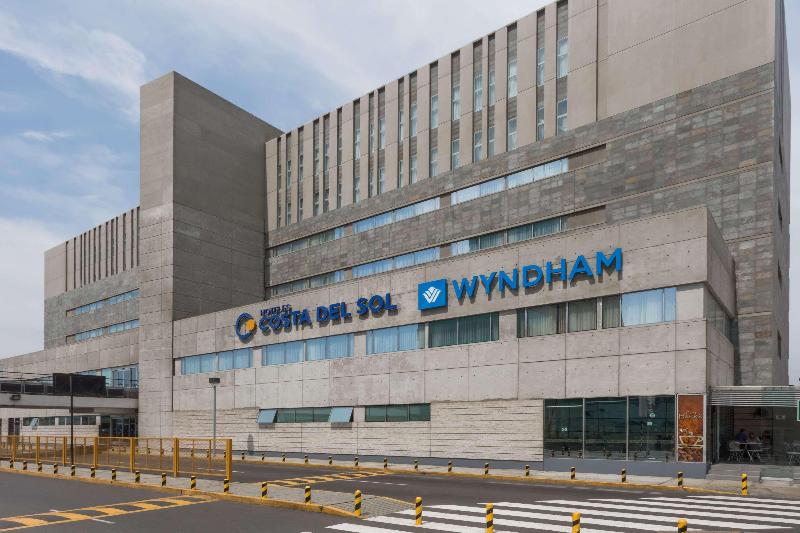
Lima
R$730 / night

Lima
R$565 / night

Lima
R$557 / night

Lima
R$418 / night

Lima
R$363 / night

Lima
R$261 / night

Lima
R$358 / night

Lima
R$251 / night

Lima
R$465 / night
Must-sees, local secrets, experiences, and hotels — filter layers and tap the pins.
Everything you need to know to plan your trip
Get notified when hotel prices in Lima drop. No spam.
We use your email only to send this price alert. Unsubscribe anytime.
Extend your trip to incredible destinations nearby
We personalize every moment of your journey — from iconic landmarks to hidden cultural gems.
Available 24/7 · Personalized consultations · Local expertise
Updated on July 19, 2026 · Methodology · Authors
Sources
Testimonials
Stories from travelers who have already visited. Share your experience — your comment appears in the cards below.
Visiting Lima exceeded all expectations. The energy of the place is contagious!
Aline Moura
Traveler from Fortaleza
We traveled as a family and Lima delighted kids and adults alike. Great hotel and attraction picks.
Daniel Figueiredo
Backpacker
I arrived without a fixed itinerary and Lima surprised me at every corner. So welcoming.
Graziela Pacheco
Repeat visitor
Stayed near downtown and walked everywhere. Lima is even better on foot.
João Victor
Traveler from Recife
