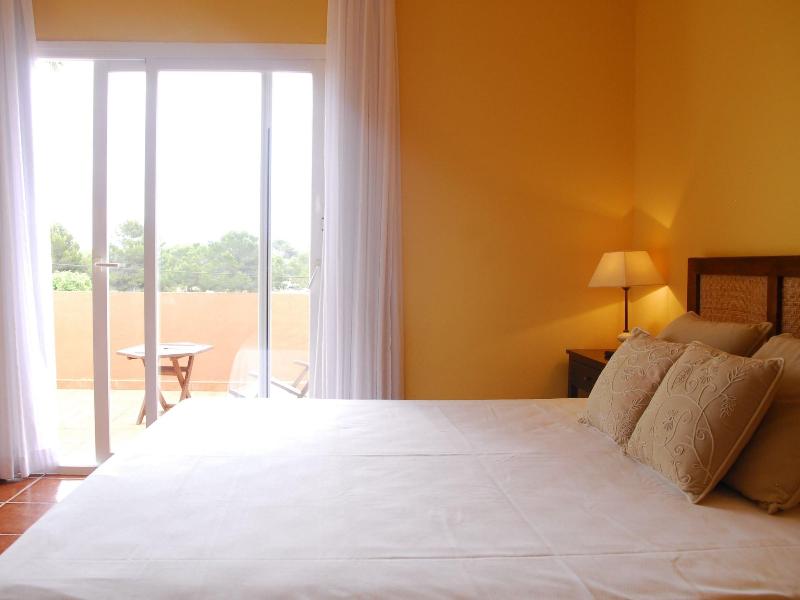
Caleta de Fuste, Fuerteventura
EUROSTARS LAS SALINAS
R$2,040 / night

Destination
Discover the charm of Las Salinas! Explore stunning beaches, natural lagoons, and a peaceful salt-harvesting refuge. Plan your ideal trip.
Las Salinas · Brasil
Photos
Discover the landscapes and culture of Las Salinas


Editorial guide with history, culture, and practical tips to plan your trip.
Las Salinas, or simply Salinas, is a destination whose essence is intrinsically linked to the natural and economic cycle of water. It is not merely a coastal spot; it is, first and foremost, a vast area dedicated to the artisanal and industrial production of sea salt. For those seeking experiences that blend geological rigor with coastal tranquility, Salinas offers a unique view of how natural resources are transformed into vital products.
The concept of "salina" thus refers to the specific area where this millennia-old process takes place. It is in this natural setting that seawater, under the constant and rhythmic action of weather elements, concentrates minerals until they reach the ideal point for collection. The landscape is marked by extensive shallow salt pools—the lagoons and evaporation tanks—creating a fascinating ecosystem that attracts not only production workers but also nature lovers seeking contemplation.
Visiting Salinas transcends conventional tourism. It is an educational journey that allows visitors to understand the natural processes of saline crystallization and the human impact on the management of these water resources. Life here pulsates to the rhythm of the sea, the winds, and, above all, the mineral concentration in every drop of water.
The human relationship with salt production is one of the oldest civilizations on the planet. In Salinas, this history is not told merely through documents but is inscribed within the crystalline crust of its marshes and pools. The extractive activity practiced here carries the legacy of methods that have been perfected over countless generations.
Over time, salt harvesting was fundamental to sustaining entire coastal communities. Since ancient times, local families knew how to read the signs of the tide and climate to optimize the crystallization process. This ancestral wisdom is not just technical; it is a cultural pillar that has shaped the region's identity. Salt farming here represents more than a source of income; it is a way of life perpetuated by transmitting knowledge about natural cycles and the patience required to wait for perfect crystallization.
The history of Salinas, therefore, is a living testament to human resilience in the face of the relentless rhythms of the ocean. It is the story of communities that have prospered in symbiosis with the saline environment, valuing every square meter of the pools and the force of the wind that drives evaporation.
The culture of Salinas is a harmonious fusion of maritime tradition, the rhythm of harvest, and community life. Salt is not merely a commercial product; it is an element that catalyzes local identity itself. Residents possess a deep knowledge of the sea and the region's geological characteristics that few outsiders would ever understand.
This culture is visible in daily routines, working methods, and handicrafts that utilize local resources. Traditional salt harvesting techniques—often practiced by families for centuries in the same area—are passed down in a virtuous cycle of practical knowledge. The workers, or "salt farmers," form a community united by this common purpose: waiting for the perfect moment to withdraw the crystals.
Culturally, Salinas celebrates the natural cycle. Festivals and traditions are frequently linked to high tide cycles or the most favorable times of evaporation, reinforcing a collective sense of belonging found only in places where sustenance is so closely tied to the surrounding environment.
From a geographic perspective, Las Salinas occupies a privileged and unique position. The region is characterized by its extremely flat topography and low altitude, which makes it ideal for the physical process of salinization. The local geography is dominated by the interaction between solid land, large marsh areas, and shallow pools (piscinões), which function as true natural evaporation laboratories.
The constant presence of the ocean in immediate proximity guarantees the endless flow of saltwater. The mineral composition of these coastal aquifers, combined with a favorable climatic regime, creates a singular geothermal and hydrogeological environment. These pools are not just surfaces; they are complex systems where salt concentration is monitored in real-time by nature itself.
This particular geography demands extremely careful environmental management. Natural barriers and internal canals that divide the different production areas form a mosaic of colors and depths, making the scenery visually rich and ecologically vital for coastal fauna, such as migratory birds.
The climate in Salinas is typically tropical or semi-arid—conditions that are absolutely essential for the success of salt farming. The combination of climatic factors creates a powerful and constant natural crystallization engine.
Two climatic characteristics stand out: intense solar incidence and constant winds. The Sun not only heats but also boosts the evaporation of seawater at very high rates. Sea winds play a crucial role by promoting the circulation of air masses over the pools, accelerating the dehydration process and allowing dissolved minerals to deposit on the surface.
This climatic combination results in a predictable climate regime for natural processes. However, this same dependence makes the salt flats vulnerable to global climate change, demanding both respect and vigilance from residents and visitors alike. It is a climate that imposes strict rules but also offers breathtaking rustic beauty.
For tourists visiting Las Salinas, the experience goes beyond mere landscape contemplation. Tourism here is profoundly connected to natural science and the observation of ancestral industrial processes. It is an ideal destination for those seeking high-level ecotourism.
Suggested tourist activities include guided tours through the salt pools, where visitors can follow the complete cycle, from the initial input of water to the formation of large silver crystals that are harvested. It is possible to understand the natural engineering of the area up close.
Furthermore, there is a growing focus on gastronomic tourism. Local cuisine is enriched by the use of salt specific to the region, lending unique flavors and minerals to typical dishes. Birdwatching, where aquatic birds use the pools as nursery and feeding grounds, is also recommended, providing a moment of peace in the vast white and blue expanse.
The salt produced in Salinas possesses singular characteristics, resulting from the interaction between local geology and tropical climate. It is not just "salt"; it carries the unique mineral signature of its point of origin, making it a product of geological value.
A fascinating curiosity is the harvesting process itself. It requires millenary precision: knowing exactly when the concentration is perfect and when climatic conditions are stable to avoid losses to both the harvest and the surrounding ecosystem. The salt farmers possess an almost intuitive knowledge of the sea's rhythms, which has become intangible heritage.
Another curious aspect is the mesmerizing visual of the pools in different saturation phases. At times, the water reflects deep blue tones; at others, when the surface layers crystallize, it reveals a dazzling white color, contrasting with the marine and plant life that coexist in this unique environment. Salinas is a true natural laboratory open to the public.
Everything you need to know to plan your trip
Reference figures to help plan your trip
Attractions
9
Selected stays available to book
184 travelers searched Las Salinas this week
Stays for these dates are among the most sought-after in Las Salinas
Must-sees, local secrets, experiences, and hotels — filter layers and tap the pins.
Everything you need to know to plan your trip
Get notified when hotel prices in Las Salinas drop. No spam.
We use your email only to send this price alert. Unsubscribe anytime.
Extend your trip to incredible destinations nearby
Still unsure? See side-by-side comparisons to decide.
We personalize every moment of your journey — from iconic landmarks to hidden cultural gems.
Available 24/7 · Personalized consultations · Local expertise
Updated on July 25, 2026 · Methodology · Authors
Sources
Testimonials
Stories from travelers who have already visited. Share your experience — your comment appears in the cards below.
Visiting Las Salinas exceeded all expectations. The energy of the place is contagious!
Yara Bastos
Eco traveler
We traveled as a family and Las Salinas delighted kids and adults alike. Great hotel and attraction picks.
Aline Moura
Traveler from Fortaleza
I arrived without a fixed itinerary and Las Salinas surprised me at every corner. So welcoming.
Daniel Figueiredo
Backpacker
Stayed near downtown and walked everywhere. Las Salinas is even better on foot.
Graziela Pacheco
Repeat visitor