
Kathmandu
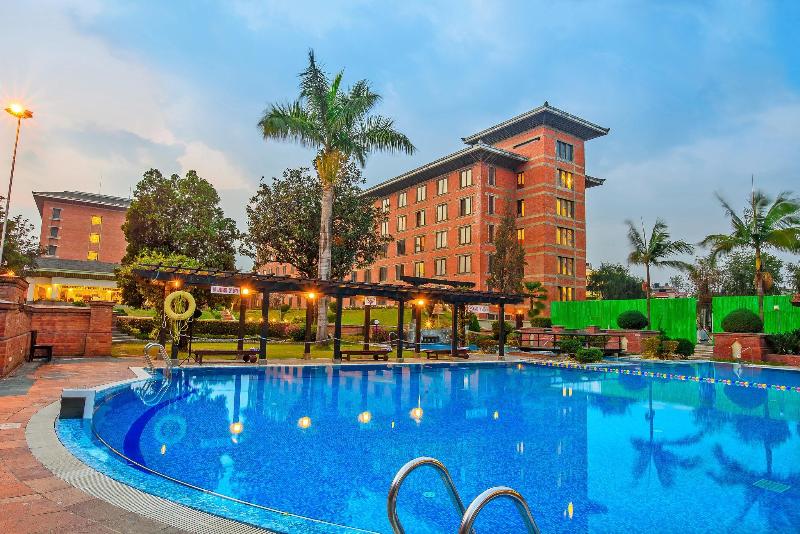
Kathmandu Marriott Hotel
R$1,172 / night

Destination
Discover Kathmandu, the beating heart of Nepal. A vibrant capital and ancient cultural center with millennia of history. Explore incredible temples and Nepali culture on a magical journey.
Kathmandu · Brasil
Photos
Discover the landscapes and culture of Kathmandu


Editorial guide with history, culture, and practical tips to plan your trip.
Kathmandu is much more than just the capital of Nepal; it represents the beating heart and nervous center of this magical nation. As the most populous and largest city, Kathmandu has established itself as a primary hub in various spheres: governmental, financial, industrial, and crucially, cultural for the entire country.
Nestled in the Kathmandu Valley, a geographical location that has granted it protection and historical significance for millennia, the city is a living testament to resilience and civilizational wealth. For the first-time traveler, understanding Kathmandu means diving into a melting pot of cultures and traditions that have mingled over centuries.
According to the latest data from the 2021 Nepal census, the resident population in the central city reached an impressive 845,767 inhabitants, distributed across approximately 105,649 households. However, it is important to note that the surrounding metropolitan area raises this figure dramatically, counting roughly four million people. This demographic density and the dynamism of its centers make Kathmandu a vibrant and fascinating urban destination.
The historical depth of Kathmandu is almost palpable in its stone streets and ancient temples. The city has a trajectory spanning from ancient times to the medieval period, during which its name carried various designations that tell different stories.
Over time, it was known by grand names such as Kantipur and is also referred to by the title Kasthamandap. These names are not mere synonyms; they encapsulate distinct eras and periods of power that shaped the unique identity of the Nepali capital. Studying the remains of these old names allows visitors to trace a monumental timeline, understanding how Nepali culture flourished on the foundations established by past civilizations.
Its long history has not only allowed it to survive political changes and geographical challenges but also ensured that it remains an undeniable cultural center. Every corner of the city seems to whisper legends of ancient kings, skilled artisans, and devoted priests, making a visit a true journey back in time.
Its vocation as Nepal's main cultural hub is the most enriching aspect for any traveler. Culture in Kathmandu is not confined to museums; it pulsates through busy squares, daily rituals, and colorful architecture throughout the city.
Here, the meeting of different religious traditions—Hinduism, Buddhism, and other millennia-old beliefs—creates an incredibly rich cultural tapestry. The art style, spiritual practices, and even popular festivals reflect this harmonious syncretism. Festivals, in particular, are spectacles of colors, vibrant music, and palpable devotion.
The way of life in Kathmandu is deeply connected to its ritualistic and religious past. The city's rhythm, although frantic due to its metropolitan size (with 4 million people in the surrounding area), is punctuated by moments of profound serenity found in temples that seem suspended in time. This duality between modern urban chaos and ancient spiritual tranquility defines the cultural experience in Kathmandu.
Geographically, the city's location is fundamental to its historical development. Kathmandu is situated in central Nepal, a strategic location within the Kathmandu Valley. This valley not only granted it natural protection that facilitated its preservation over the centuries but also established it as a crucial point of trade and exchange.
The city is located within the Kathmandu District, and its elevation is notable: 1,324 meters (approximately 4,344 feet) above sea level. This altitude provides a specific climate and panoramic view of the surrounding Nepali landscape. Being in this central valley grants the city not only natural beauty but also a logistical importance that has kept it as the epicenter of power in the region.
This central location in the deep valley is why Kathmandu assumed and continues to be the main governmental center for the entire country. It is positioned to oversee and connect different geographical regions of Nepal, making it an essential convergence point for all economic and administrative activities.
Due to its location in the Kathmandu Valley and an elevation of 1,324 meters above sea level, the region's climate is characterized by the influence of altitudes and tropical valleys. Although seasonal details are not specified in the provided data, it must be understood that living in this geography means experiencing marked climatic variations.
The valley provides a relatively mild microclimate compared to Nepal's surrounding mountains, but is still subject to the influences of monsoon seasons and drier periods. Visitors should prepare for the transition between different atmospheric conditions that reflect the region's subtropical climate. Adapting to the rhythm and climate of this central valley is part of the cultural experience itself.
Kathmandu is a multifaceted tourist destination, capable of satisfying everything from the spiritual traveler to the enthusiast of urban history or academic tourism. Its function as a financial and industrial center guarantees that the city never sleeps, offering vibrant nightlife contrasted with its serene temples.
For culture lovers, the visit is an immersion into ancient religious architecture; for historians, every street tells chapters of governmental power. Hotels and restaurants reflect the status of the city as a financial hub, but the primary focus of tourism remains on its historical depth and unparalleled cultural traditions.
The ideal tourist experience in Kathmandu is one that combines exploring grand administrative structures with strolling through medieval alleyways. It is a destination where you learn about governance, finance, industry, and, most importantly, spirituality in a single intense urban journey.
A fascinating fact about Kathmandu is its demographic and historical resilience. Besides being recognized by its ancient names—Kantipur and Kasthamandap—it also keeps population records that illustrate its constant growth. The 2021 census data points to stable urban core with 845,767 residents living in approximately 105,649 households.
However, it is the surrounding metropolitan area that shows the city's true dynamism: an additional population of about four million people makes its reach one of the most populous and complex urban centers in the Himalayas. This massive population contributes to the continuous and multifaceted energy of daily life.
In summary, Kathmandu is not just Nepal’s administrative or economic center; it is a living archive, where the echoes of ancient times (Kantipur) mingle with the fast pace of the modern metropolis, creating an unforgettable experience for all travelers.
Everything you need to know to plan your trip
Currency
Nepalese Rupee (NPR)
Language
Nepali
Recommended stay
3 days
Timezone
GMT+5:45
Reference figures to help plan your trip
Hotels in the area
475
Attractions
9
475 properties · high demand in Kathmandu this season
105 travelers searched Kathmandu this week
Stays for these dates are among the most sought-after in Kathmandu
Kathmandu
R$1,172 / night

Kathmandu
R$557 / night

Kathmandu
R$500 / night

Kathmandu
R$507 / night

Kathmandu
R$452 / night
Kathmandu
R$840 / night

Kathmandu
R$915 / night

Kathmandu
R$801 / night
Kathmandu
R$803 / night

Kathmandu
R$541 / night

Kathmandu
R$418 / night

Kathmandu
R$469 / night
Must-sees, local secrets, experiences, and hotels — filter layers and tap the pins.
Everything you need to know to plan your trip
Get notified when hotel prices in Kathmandu drop. No spam.
We use your email only to send this price alert. Unsubscribe anytime.
We personalize every moment of your journey — from iconic landmarks to hidden cultural gems.
Available 24/7 · Personalized consultations · Local expertise
Updated on July 12, 2026 · Methodology · Authors
Sources
Testimonials
Stories from travelers who have already visited. Share your experience — your comment appears in the cards below.
Visiting Kathmandu exceeded all expectations. The energy of the place is contagious!
Elaine Coutinho
Solo traveler
We traveled as a family and Kathmandu delighted kids and adults alike. Great hotel and attraction picks.
Hugo Santana
Local from Belo Horizonte
I arrived without a fixed itinerary and Kathmandu surprised me at every corner. So welcoming.
Karen Abreu
Trip planner
Stayed near downtown and walked everywhere. Kathmandu is even better on foot.
Nelson Duarte
Retired couple