
Ibiza
The Standard, Ibiza
R$5,851 / night

Destination
Discover Ibiza! This magical Spanish island is famous for its paradise beaches and incredible nightlife. Plan your dream trip with Aeriva.
Ibiza · Brasil
Photos
Discover the landscapes and culture of Ibiza


Editorial guide with history, culture, and practical tips to plan your trip.
Ibiza is a spectacular island located in the Mediterranean Sea, representing one of the most emblematic destinations of the Balearic Islands archipelago, Spain. Its unique geographical position and central role in the formation of this island group make it an unparalleled tourist and cultural reference point. Ibiza Island is not an isolated entity; it is part of a larger ecosystem that includes its neighbors Mallorca, Menorca, Formentera, and various small adjacent islets.
In demographic and physical terms, the main municipality of the island bears the name "Ibiza," which is also where the capital is concentrated. Statistics indicate that Ibiza has a total area of 572 km², and its population is estimated at approximately 161,485 inhabitants. These demographic data confer upon the island significant status, making it not only a coveted tourist spot but also a populated center within the regional Spanish context.
The administrative structure of the Balearic Islands region is complex and rich in maritime history. Located in the heart of the Eastern Mediterranean, Ibiza has built over centuries an identity that mixes rustic Mediterranean charm with modern dynamism. It is this combination of prominent natural features and consolidated social organization that makes Ibiza a vibrant destination, attracting visitors from all parts of the world looking for beaches, nightlife, or tranquility in its interior landscapes.
Although the facts provided focus on geographic and demographic data, Ibiza's historical importance is intrinsically linked to its role within the Balearic Islands archipelago. The formation of the autonomous community itself is a testament to the long historical process of colonization and development of these Spanish islands.
The constant presence of Ibiza, along with its neighbors, established a maritime network that was crucial for Mediterranean trade and culture. The fact that it is part of this larger island group means that its history is interwoven with the naval routes and economic cycles of the Mediterranean. The island's capital reflects this centrality, sharing its name with the territory itself, suggesting a degree of age and consolidated administrative importance.
Analyzing the data reveals an entity established in terms of population, with almost 162 thousand residents. This number not only represents the current population but also refers to centuries of human development under challenging island conditions, forging a culture that is resilient and adapted to the rhythm of the sea and the Mediterranean land. Ibiza thus maintains a deep historical legacy, visible in its urban structure and way of life.
Ibiza's rich cultural identity is shaped by its privileged location in the Mediterranean Sea and cohabitation with other islands forming the Balearic archipelago. Ibizan culture mixes ancestral maritime traditions with a vibrant contemporary atmosphere, attracting diverse artistic and social expressions.
The organization of the archipelago itself—with Ibiza positioned alongside Mallorca, Menorca, and Formentera—generates constant cultural exchange. Traditions, local dialect, and even musical rhythms are influenced by the interaction between these neighboring islands. The fact that the capital bears the island's name reinforces this identity unity that permeates the entire autonomous community of the Balearic Islands.
From a social point of view, the estimated population of 161,485 inhabitants lives a lifestyle that values both the calm of the beaches and the dynamism of urban and nightlife. This dichotomy is the cultural core of Ibiza: knowing how to balance Mediterranean tradition with a global openness to new cultural influences while keeping its island roots intact.
Geographically, Ibiza occupies a strategic and prominent place in the Mediterranean setting. It is a Spanish island that serves as an essential part of the Balearic Islands archipelago. This island grouping is composed of other notable large islands like Mallorca, Menorca, and Formentera, in addition to smaller islets.
The total size of Ibiza is recorded at 572 km², an area that gives it considerable dimensions within the context of the Balearics. In regional comparison, its attributes are impressive: it is the third largest Balearic island by territorial extension, trailing only Mallorca and Menorca. On a national Spanish scale, this dimension positions it as the eighth largest island in the country, demonstrating its geographical importance in terms of scale.
The island's capital is named Ibiza, following nomenclature that mirrors physical geography. Its location in the Mediterranean Sea not only defines its climate and landscape but also dictates the historical flow of life and commerce. Its insular position guarantees it a distinct ecosystem, with beaches stretching out and terrestrial features characteristic of major Mediterranean islands.
Although the provided facts do not detail specific climatic data (such as average temperatures or precipitation), Ibiza's climate can be inferred from its location in the Mediterranean Sea. This geographical positioning determines a typically Mediterranean climate regime.
This type of climate is characterized by hot and dry summers, ideal for outdoor beach activities, and mild winters. The direct influence of the sea ensures that temperatures remain moderate year-round compared to continental areas farther from water. Climatic variations are gentle, a determining factor for the island's constant appeal.
Despite the lack of specific climatic data in this excerpt, its description as an island in the Mediterranean Sea implies that the climate is favorable for tourism for much of the year. This seasonal climatic stability is one of the region's greatest natural and tourist assets, allowing island life to thrive in harmonious cycles with the maritime seasons.
Ibiza is globally recognized for its intense tourist activity. Being a large island (572 km²) and having a considerable population of 161,485 inhabitants, coupled with its status as an autonomous community of the Balearic Islands, solidifies its role as a first-rate international destination. The tourism attraction ranges from paradise beaches to grand cultural events.
The tourist experience in Ibiza is multifaceted. Visitors can explore the capital, which shares the island's name, or venture into the natural landscapes of less populated areas. The archipelago as a whole—including neighbors like Mallorca and Formentera—offers complete tourist routes that cater to different tastes, whether it be relaxation on quiet beaches or the vibrant energy of major social centers.
The island's demographic importance, being the second most populous in the Balearics after Mallorca, attracts not only transient tourists but also communities of residents who contribute to a constant and dynamic tourist environment. This balance between established native population and massive tourist flow is the economic and social engine that keeps Ibiza at the top of the Mediterranean destinations ranking.
Ibiza is full of interesting statistics highlighting its importance on regional and national scales. Its geographical dimension, spanning 572 km², already establishes it as an island giant within the Balearic Islands.
In terms of demographics, Ibiza holds the title of being the second most populous island in the Balearic archipelago, trailing only Mallorca. This high population concentration is remarkable and contributes to a rich and multifaceted cultural life on the island. It is important to note that its current population hovers around 161,485 inhabitants.
Dimensional comparison also reveals regional prominence: Ibiza is the third largest Balearic island in terms of territorial extension, following Mallorca and Menorca. These geographic metrics reinforce the considerable size of the area composing this autonomous community. When looking at Spain as a whole, Ibiza's demographic data are equally relevant; it is classified as the fourth most populous island in the country. In terms of size relative to Spanish territory, it ranks eighth among national islands.
This combination of being large by area (8th nationally) and having high relative population density within the Balearics makes Ibiza a fascinating study on how an insular geography can sustain both human development and natural preservation in the Mediterranean setting. The capital, the administrative heart, repeats the name of the island, a detail that reinforces the cohesion between its territory and its administrative identity.
Everything you need to know to plan your trip
Language
Spanish
Reference figures to help plan your trip
Hotels in the area
31
Attractions
9
31 properties · high demand in Ibiza this season
143 travelers searched Ibiza this week
Stays for these dates are among the most sought-after in Ibiza
Ibiza
R$5,851 / night

Ibiza
R$5,660 / night

Ibiza
R$4,924 / night

Ibiza
R$4,146 / night

Ibiza
R$3,453 / night
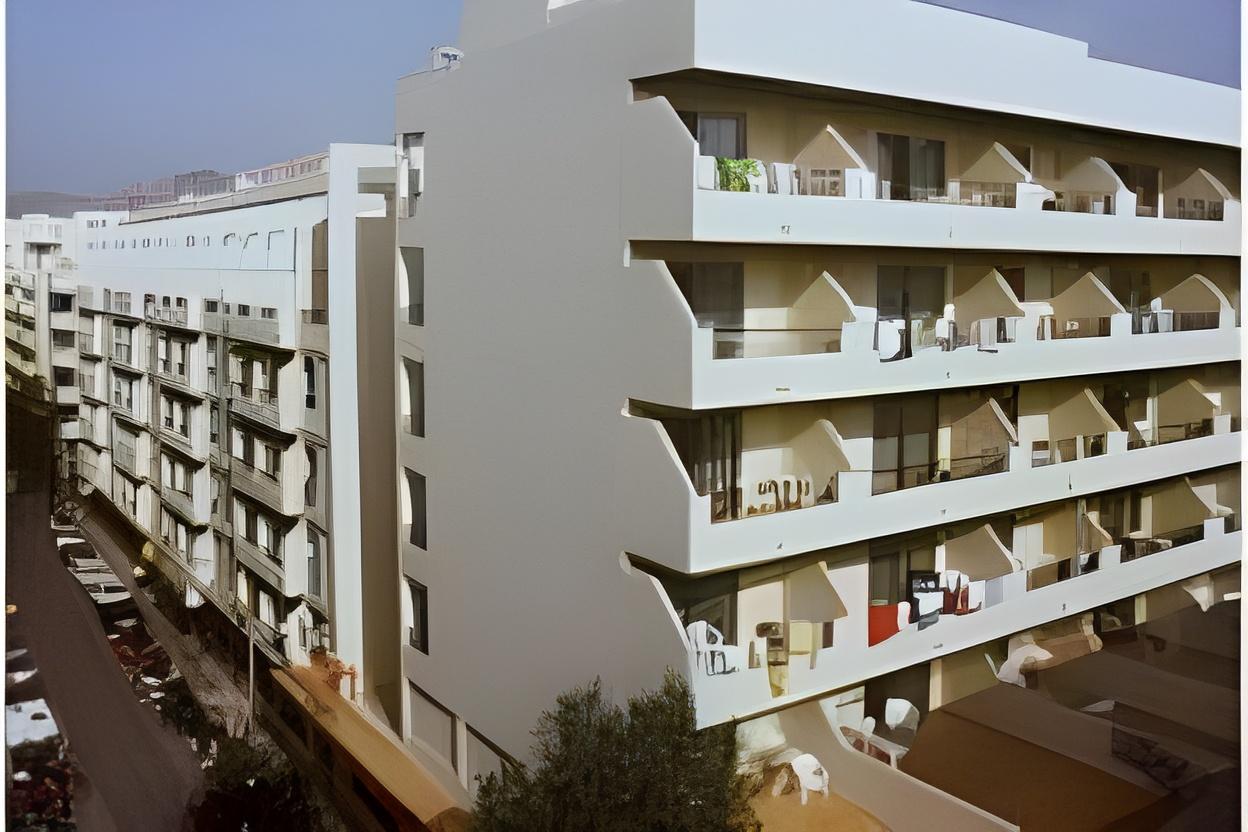
Ibiza
R$3,569 / night

Ibiza
R$2,833 / night

Ibiza
R$5,746 / night

Ibiza
R$6,058 / night

Ibiza
R$3,989 / night
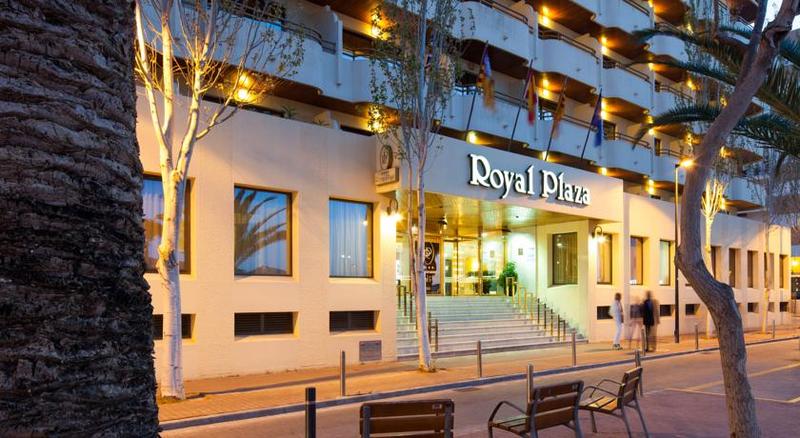
Ibiza
R$4,036 / night

Ibiza
R$2,534 / night
Must-sees, local secrets, experiences, and hotels — filter layers and tap the pins.
Everything you need to know to plan your trip
Get notified when hotel prices in Ibiza drop. No spam.
We use your email only to send this price alert. Unsubscribe anytime.
Extend your trip to incredible destinations nearby
Still unsure? See side-by-side comparisons to decide.
We personalize every moment of your journey — from iconic landmarks to hidden cultural gems.
Available 24/7 · Personalized consultations · Local expertise
Updated on June 30, 2026 · Methodology · Authors
Sources
Testimonials
Stories from travelers who have already visited. Share your experience — your comment appears in the cards below.
Visiting Ibiza exceeded all expectations. The energy of the place is contagious!
Aline Moura
Traveler from Fortaleza
We traveled as a family and Ibiza delighted kids and adults alike. Great hotel and attraction picks.
Daniel Figueiredo
Backpacker
I arrived without a fixed itinerary and Ibiza surprised me at every corner. So welcoming.
Graziela Pacheco
Repeat visitor
Stayed near downtown and walked everywhere. Ibiza is even better on foot.
João Victor
Traveler from Recife


