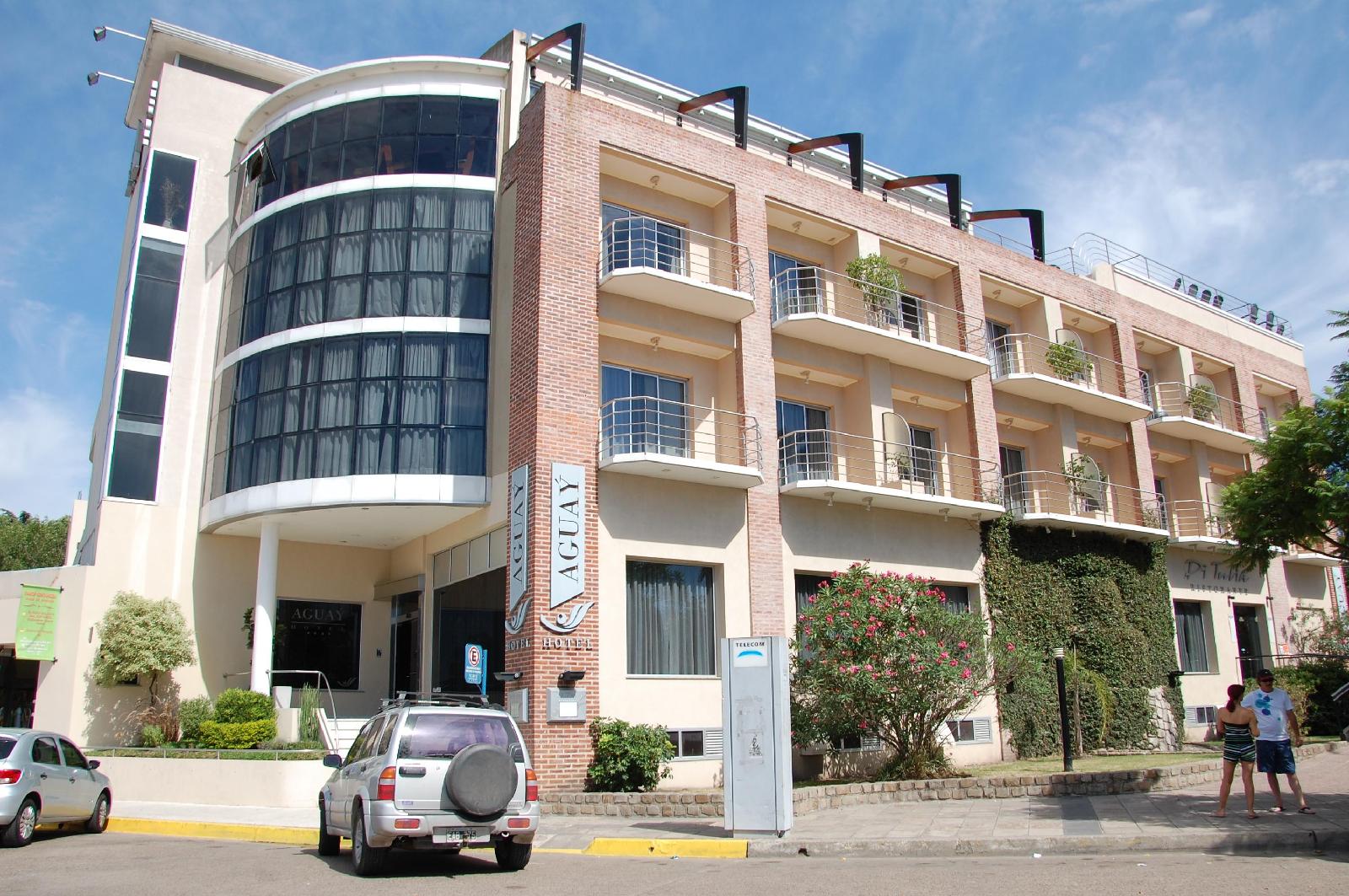
Gualeguaychu
O2 Hotel Gualeguaychú
R$1,518 / night

Destination
Explore Gualeguaychú, in Entre Ríos, Argentina. Discover river attractions and experience local culture in this enchanting destination. Plan your perfect trip.
Gualeguaychu · Brasil
Photos
Discover the landscapes and culture of Gualeguaychú


Editorial guide with history, culture, and practical tips to plan your trip.
Gualeguaychú is a vibrant city located in the province of Entre Ríos, a state renowned for its rich culture and river landscapes in Argentina. Its geographical position makes it a strategic point that blends the inner charm of Argentina with proximity to important borders.
The identity of the city is intrinsically linked to the Gualeguaychú River, an important body of water that flows into the Uruguay River. This positioning not only defines its physical geography but also profoundly influences the local lifestyle and commercial activities. Due to its road access, the city is easily reached, situated in the southwest of the Entre Ríos province.
In terms of population, historical data indicates significant growth for the region. As noted by the Argentine census conducted in 2001, Gualeguaychú had an estimated population of 76,220 inhabitants, reflecting its growing role as a regional center within the province.
The history of Gualeguaychú is deeply marked by the meaning of its own name. The toponymic origin reveals linguistic roots referring to the Guarani culture and the great characteristics of the region in which it is located.
The name "Gualeguaychú" did not appear by chance; it derives from a phonetic corruption of a Guarani expression, interpreted as *y yaguari guaçú*. This phrase carries the poetic and powerful meaning of "river of the great jaguar." This nickname already signaled the natural importance of the river for the indigenous people and the prominence of wildlife in the region.
Historically, the city developed due to its strategic location in the southwest of the province. The reference to rivers—especially the Gualeguaychú, which in turn is a tributary of the Uruguay River—consolidated its role as a point of passage and meeting, crucial elements for any urban center in South America.
Although the provided data focuses more on geographical and etymological aspects, it is impossible to talk about Gualeguaychú without acknowledging the cultural influence carried by its name. The reference to the “jaguar” suggests a deep bond with the native ecosystem of Southern Brazil and Argentina, evoking a rich narrative of biodiversity in local culture.
The city's cultural life is shaped by its proximity to the river. Living on the left bank of the Gualeguaychú River ensures that rivers are central elements in festivities and people's daily lives. This constant interaction with water and the riparian ecosystem fuels traditions that value both Guarani roots and cross-border commerce, given its relatively close location to Uruguay.
This mix of influences, combined with a history marked by indigenous toponymy, gives local culture a unique tone rooted in respect for the grand forces of nature and its original peoples. The memory of the "river of the great jaguar" remains alive as a potent symbolic element in the Gaucho cultural identity.
Located in the province of Entre Ríos, Gualeguaychú occupies a privileged geographical position in the southwest of this Argentine state. This positioning is vital for regional development, as the city is anchored on the left bank of the Gualeguaychú River.
The Gualeguaychú River, in turn, plays a fundamental role in the entire region, since it constitutes an important tributary of the major Uruguay River. The relationship between urban development and the watercourse defines much of the local landscape and infrastructure.
In terms of access and travel, the city benefits from robust road connections. It is located approximately 248 km northwest of Buenos Aires, a route easily traveled by road. Furthermore, its cross-border location is a striking geographical feature: Gualeguaychú is only 30 km from Uruguay, establishing it as a nodal point for regional traffic and trade.
Although there are no specific climate details in the source material, the fact that Gualeguaychú is situated in a region influenced by significant rivers—such as the Gualeguaychú River (tributary of the Uruguay)—suggests a humid and temperate climate. The river influence moderates temperatures, giving the city generally pleasant surroundings.
Life on the left bank of this river gives the location an atmosphere marked by exuberant riverside vegetation, typical of regions watered by large hydrographic basins. This combination of location and body of water shapes the region's climatic perception, making it a pleasant destination throughout different times of the year.
Gualeguaychú's tourism potential is directly linked to its rich fluvial geography and its role in the commercial route between Argentina and Uruguay. The proximity to Uruguayan territory attracts visitors interested in cross-border tourism, allowing easy access to different regional attractions.
The Gualeguaychú River is the epicenter of tourist activities. It not only provides a backdrop of impressive natural beauty but also drives trips and activities that explore river life. Visitors are drawn to the landscape shaped by the watercourse and its tributaries.
The combination of road infrastructure (only 248 km from Buenos Aires by highway) with the fascination of borders, coupled with the indigenous memory contained in its name—"river of the great jaguar"—creates a tourist experience that unites history, wild nature, and vibrant commerce. The city is a gateway to exploring the natural characteristics of the Entre Ríos province.
One of the most fascinating curiosities about Gualeguaychú lies in the etymological origin of its name. The name is not just a designation; it is a linguistic and cultural record referring to a past time when the meaning was deeply connected to the Guarani world.
The word "Gualeguaychú" comes from a phonetic corruption of the expression *y yaguari guaçú*, whose words mean “river of the great jaguar.” This origin not only adds an exotic touch to local history but also places the city in a grand natural context. The name immediately evokes images of powerful fauna and wild ecosystems that marked the region.
Another curious aspect is its border location: being situated only 30 km from Uruguay gives the city a unique dynamic, serving as a cultural and logistical meeting point between two neighboring countries. This proximity strengthens its historical profile as a site of intense exchange and commercial development in the Uruguay River basin.
Everything you need to know to plan your trip
Reference figures to help plan your trip
Hotels in the area
2
Attractions
9
2 properties in the area
88 travelers searched Gualeguaychu this week
9 stays booked in Gualeguaychu in the last 7 days
Must-sees, local secrets, experiences, and hotels — filter layers and tap the pins.
Everything you need to know to plan your trip
Get notified when hotel prices in Gualeguaychú drop. No spam.
We use your email only to send this price alert. Unsubscribe anytime.
Extend your trip to incredible destinations nearby
Still unsure? See side-by-side comparisons to decide.
We personalize every moment of your journey — from iconic landmarks to hidden cultural gems.
Available 24/7 · Personalized consultations · Local expertise
Updated on July 24, 2026 · Methodology · Authors
Sources
Testimonials
Stories from travelers who have already visited. Share your experience — your comment appears in the cards below.
Visiting Gualeguaychú exceeded all expectations. The energy of the place is contagious!
Bruno Carvalho
Couple from Curitiba
We traveled as a family and Gualeguaychú delighted kids and adults alike. Great hotel and attraction picks.
Elaine Coutinho
Solo traveler
I arrived without a fixed itinerary and Gualeguaychú surprised me at every corner. So welcoming.
Hugo Santana
Local from Belo Horizonte
Stayed near downtown and walked everywhere. Gualeguaychú is even better on foot.
Karen Abreu
Trip planner