
Copacabana
Fairmont Rio de Janeiro Copacabana
R$2,317 / night

Destination
Discover the charm of Copacabana, one of Rio de Janeiro’s most famous and prestigious neighborhoods. Enjoy the iconic boardwalk and Carioca rhythm!
Copacabana · RJ · Brasil
Photos
Discover the landscapes and culture of Copacabana


Editorial guide with history, culture, and practical tips to plan your trip.
Copacabana is one of the most emblematic and recognized urban destinations, not only nationally but truly world-renowned. Located in the heart of Rio de Janeiro's Zona Sul (South Zone), within the state of Rio de Janeiro and an integral part of Brazil, this neighborhood transcends a simple geographic definition; it represents a cultural and social icon. Since its founding, Copacabana has solidified itself as synonymous with Carioca sophistication and glamour.
It is universally classified as a prestigious neighborhood, attracting high-end residences and establishing a lifestyle that balances cosmopolitan vitality with the relaxed charm of the beaches. Its fame is not accidental; it is deeply intertwined with its historical role in the identity of Rio de Janeiro. Visitors who arrive in the neighborhood are immediately immersed in a unique atmosphere that combines majestic architecture, seaside life, and an unmistakable vibrant energy.
The prestige of Copacabana is palpable on every corner and along its boardwalk stretch. Its strategic location positions it as a focal point of Zona Sul, meaning it not only borders iconic neighboring neighborhoods — such as Ipanema, Botafogo, Leme, Lagoa, and Humaitá — but also sets the scene for the high-quality life associated with the municipality of Rio de Janeiro. It is a living portrait of Carioca elegance.
Although Copacabana is synonymous with modernity and luxury, its history is rich and marked by the urban evolution that accompanied the growth of Rio de Janeiro itself. From its origins as an ascending residential area in Rio's South Zone, the neighborhood underwent significant transformations that shaped the prestigious image known today. Its journey tells chapters of social, architectural, and cultural changes, consolidating itself over decades as one of Brazil's most desired destinations.
Copacabana's reputation as a famous and sophisticated place is built on this historical foundation of development. The neighborhood has attracted everyone from influential figures in art and politics to a growing layer of residents seeking the Carioca coastal lifestyle. The coexistence between architectural memory of the past and contemporary vibrancy ensures that Copacabana maintains a sense of continuity, despite urban transformations.
Analyzing Copacabana from a historical perspective means understanding how it managed to maintain its status as an upscale neighborhood. It was established not only for the natural beauty of its boardwalk but because it acted as an attraction hub that knew how to adapt to the needs and tastes of its inhabitants over time, preserving the charm that made it so globally known. It is a story of resilience and urban success.
The culture in Copacabana is a vibrant mosaic, deeply influenced by its coastal location in Zona Sul. The neighborhood does not just possess grand buildings; it breathes a unique Carioca culture, marked by the coexistence of masses and moments of contemplation on the seashore. This synergy between the fast pace of the metropolis and the maritime calm is the cultural core of the place.
It is in this setting that affectionate but highly significant nicknames flourish, such as “Princess of the Sea” and “Heart of Zona Sul.” These names are not mere accessories; they encapsulate the soul and central role of the neighborhood in Carioca cultural identity. The nickname “Princess of the Sea” evokes the idea of a place that is simultaneously majestic and delicate, always bathed by the rhythm of the tides.
Copacabana culture manifests itself in its busy streets, its charming cafés, its occasional art fairs, and the way residents live daily along the boardwalk. It is a place where social traditions and modernism meet every day. The neighborhood's prestige is also cultural: it is a stage for manifestations that celebrate urban life, making it a meeting point for all classes and lifestyles, establishing itself as a hub of popular culture and fine dining.
From a geographic standpoint, Copacabana is incredibly well-situated. It is classified as an upscale neighborhood that integrates harmoniously into the South Zone of the vast municipality of Rio de Janeiro. Its coastal location is the defining element that has granted it such global notoriety and appeal.
In geographical terms, Copacabana borders several equally renowned neighboring neighborhoods, giving it a central role in the urban fabric of Rio. It is possible to trace its boundaries through the limits established with Lagoa, Ipanema, Botafogo, Leme, and Humaitá. This network of neighbors is not just a cartographic issue; it defines the social and economic flow of the area.
The geographical section dedicated to the beach itself—that famous coastal strip—acts as a vital axis running along the entire length of the neighborhood's coast. This transitional geography, between the dense urban fabric of skyscrapers and the fluidity of sand and the Atlantic Ocean, is what gives Copacabana its unique characteristic. It occupies a privileged position within Rio de Janeiro's urban geomorphology.
Although no specific climate details were provided in the source, the fact that Copacabana is situated in a coastal context in Rio de Janeiro’s South Zone dictates that its climate is typically tropical and coastal. This characteristic is fundamental for shaping the lifestyle, culture, and even the local economy.
The climate regime is characterized by constant proximity to the Atlantic Ocean, providing a gentle sea breeze and generally warm environment. This climate favors all outdoor activities held on the famous boardwalk, making it the perfect stage for the leisure that characterizes life in the neighborhood. The tropical atmosphere guarantees, most of the year, ideal conditions for maintaining the status of “Princess of the Sea,” allowing coastal beauty to remain a constant and vital element.
It is important to note how this coastal climate intensifies the ties between the neighborhood and its marine environment. The dynamics of the waters, the temperature variations provided by the Atlantic, are geographic factors that blend with daily life, reinforcing its global reputation as a sophisticated beach destination.
Copacabana is unquestionably one of Brazil's most famous tourist centers and is globally recognized. The main attraction lies in the almost perfect combination of complete urban infrastructure and the natural spectacle of the sea boardwalk. Tourism in Copacabana ranges from family recreation to encounters with high society, catering to an extremely diverse public.
The neighborhood is a must-visit destination for those seeking to experience the energy of Rio de Janeiro. The boardwalk is the tourist heart, being the focal point for morning walks, physical exercise, and the traditional Carioca sea bath. Its “prestigious” appeal attracts tourists looking not only for the beach but also for the renowned restaurants, luxury hotels, and designer stores that constitute Zona Sul.
The tourist experience in Copacabana is marked by the feeling of always being immersed in an event. Visitors are submerged in the sea culture, as suggested by the nickname “Princess of the Sea.” The presence of iconic neighbors, such as Ipanema and Leme, enriches the itinerary, allowing visitors to explore different facets of Carioca life within a single geographic axis. Tourism here is a celebration of seaside living.
The charm of Copacabana often resides in the details and nicknames that tell the story of its prestige. Among its most notable names, the neighborhood holds “Princess of the Sea,” a name that refers to its coastal beauty and the majestic way it interacts with the Atlantic Ocean.
Furthermore, Copacabana is revered as the “Heart of Zona Sul.” This nickname does not diminish its geographic or social value; rather, it attests to the central and vital role the neighborhood plays in maintaining the sophisticated and vibrant rhythm of the entire region. It is the cultural and residential nerve center of this upscale sector.
Another curious feature is its density of social and geographic boundaries. By bordering neighborhoods as distinct as Lagoa, Ipanema, Botafogo, Leme, and Humaitá, Copacabana functions as a large urban connector. It is at this point of convergence that prestige multiplies, creating a local ecosystem where every neighboring area contributes to the global fame of the main neighborhood.
In summary, Copacabana is not just an address; it is a reputation built around its privileged location and unparalleled lifestyle that makes it unequally famous on the world map of Brazilian tourism. It is this unique combination of history, geography, and coastal charm that sustains its title as a global icon.
Everything you need to know to plan your trip
Language
Portuguese
Reference figures to help plan your trip
Attractions
9
Selected stays available to book
126 travelers searched Copacabana this week
Stays for these dates are among the most sought-after in Copacabana
Copacabana
R$2,317 / night

Copacabana
R$2,147 / night
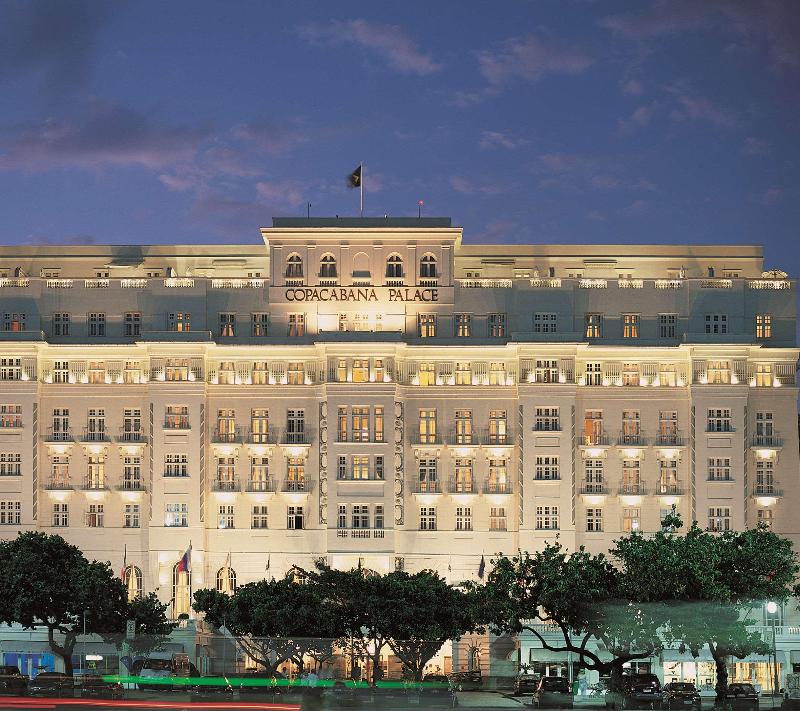
Copacabana
R$19,653 / night

Copacabana
R$2,327 / night

Copacabana
R$1,246 / night

Copacabana
R$650 / night
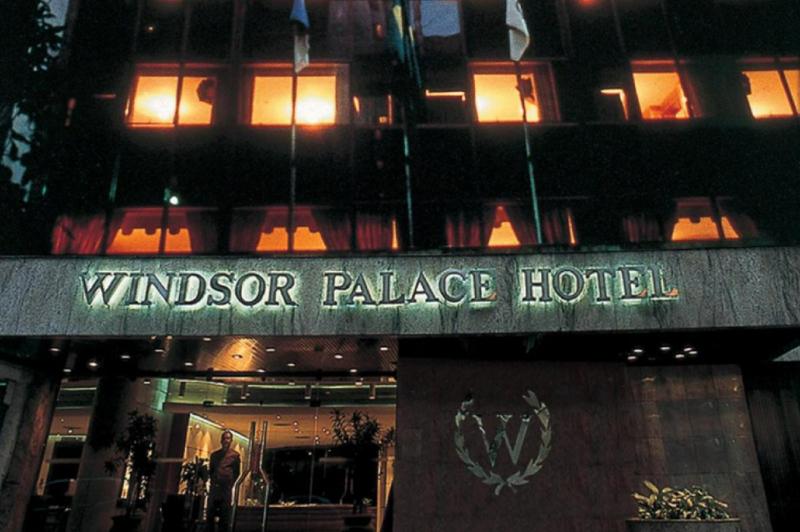
Copacabana
R$1,368 / night

Copacabana
R$787 / night
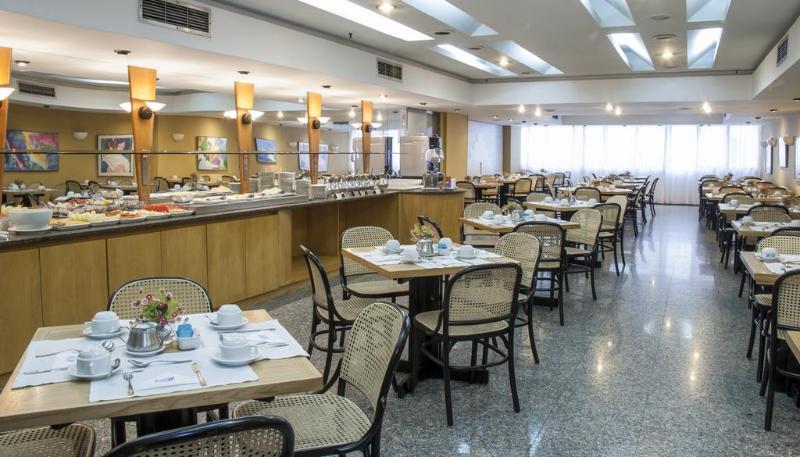
Copacabana
R$505 / night
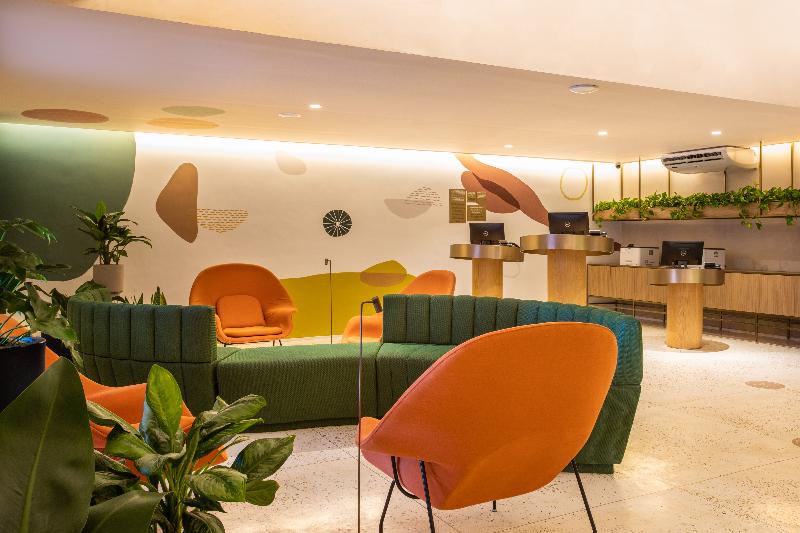
Copacabana
R$1,415 / night

Copacabana
R$1,794 / night
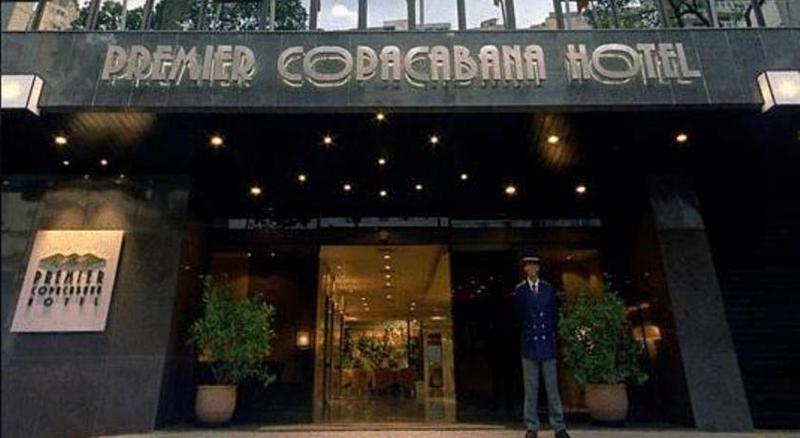
Copacabana
R$748 / night
Must-sees, local secrets, experiences, and hotels — filter layers and tap the pins.
Everything you need to know to plan your trip
Get notified when hotel prices in Copacabana drop. No spam.
We use your email only to send this price alert. Unsubscribe anytime.
Extend your trip to incredible destinations nearby
We personalize every moment of your journey — from iconic landmarks to hidden cultural gems.
Available 24/7 · Personalized consultations · Local expertise
Updated on July 1, 2026 · Methodology · Authors
Sources
Testimonials
Stories from travelers who have already visited. Share your experience — your comment appears in the cards below.
Visiting Copacabana exceeded all expectations. The energy of the place is contagious!
Wagner Lisboa
Traveler from Manaus
We traveled as a family and Copacabana delighted kids and adults alike. Great hotel and attraction picks.
Arthur Klein
Tourist from Germany
I arrived without a fixed itinerary and Copacabana surprised me at every corner. So welcoming.
Cíntia Rodrigues
Family with kids
Stayed near downtown and walked everywhere. Copacabana is even better on foot.
Fabiano Lopes
Food lover