
Baía de Chesapeake, VA
Holiday Inn Express Prince Frederick
R$881 / night
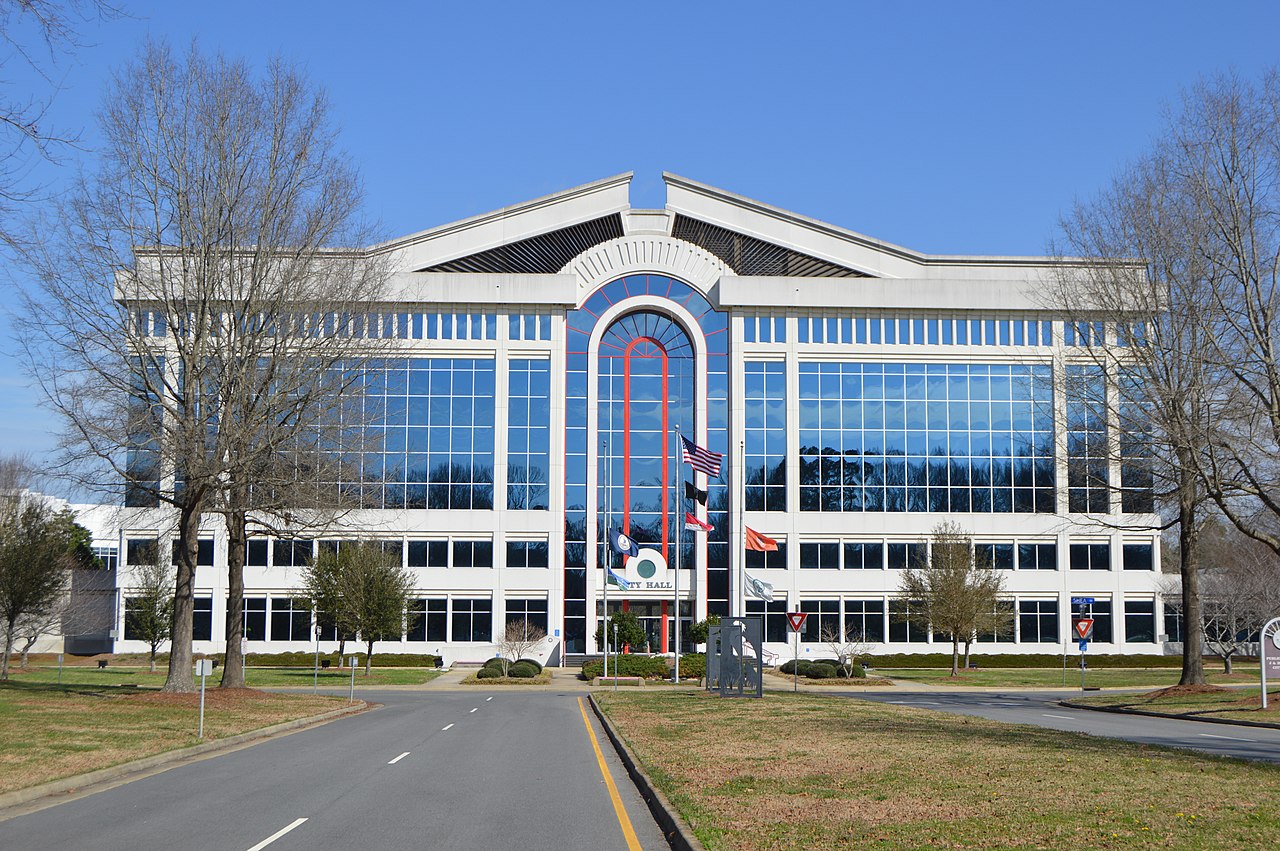
Destination
Discover the charm of Chesapeake! Explore the majestic Bay and iconic coastal US cities. Plan your unforgettable trip with Aeriva.
Chesapeake · Brasil
Photos
Discover the landscapes and culture of Chesapeake


Editorial guide with history, culture, and practical tips to plan your trip.
The term "Chesapeake" evokes a geographical and historical mosaic that stretches across various regions of the United States, making it impossible to define by a single location. For travelers interested in this vast area, it is crucial to understand that Chesapeake is not just a name, but rather a reference prefix for several distinct and fascinating localities.
The central point of this geographical and cultural confluence is, without a doubt, the majestic Chesapeake Bay. This bay represents one of the largest coastal ecosystems in North America and serves as the natural and historical epicenter for many of the cities that bear this name. Beyond the vast waters, there are important land communities, such as Chesapeake (Ohio), Chesapeake (Virginia), Chesapeake Beach, Chesapeake City, and even more specific areas like the Chesapeake Ranch Estates-Drum Point.
In essence, the concept of "Chesapeake" groups places that share a deep connection with water—whether vast rivers, estuaries, or coastal bays. It is this intrinsic relationship between humanity and the aquatic environment that defines much of life in these areas. Whether in the quiet rhythm of inland Ohio communities or the vibrant energy of Virginia's coast, the Chesapeake identity is deeply rooted in its brackish waters and powerful rivers.
The history of the Chesapeake region is a chronicle of human settlement that unfolds along waterways. Originally inhabited by various indigenous cultures, the area went through a period of intense European development and colonization, driven by maritime trade and the strategic importance of its natural ports.
The growth of these communities was directly proportional to the navigability of the surrounding waters. The locations we now call Chesapeake Beach or Chesapeake City did not arise by chance; they flourished as stopping points, exchange centers, and sources of sustenance for early settlers. This historical trajectory gives the cities an air of antiquity and cultural resilience.
Observing the history of Chesapeake is understanding the process of transforming natural landscapes into dynamic population centers. The expansion from initial coastal villages to modern residential neighborhoods, such as the Chesapeake Ranch Estates-Drum Point, tells a rich narrative of adaptation and continuous growth. This historical heritage shapes not only the architecture of the cities but also the slow, contemplative rhythm of life within their communities.
Chesapeake culture is a rich melting pot that blends maritime influences with traditional Southern American customs. The coastal environment dictated a way of life heavily focused on fishing, naval trade, and port activity—elements that permeate local festivals, cuisine, and even daily vocabulary.
It is a culture marked by hospitality and an appreciation for nature. Chesapeake communities celebrate a very strong sense of belonging; communal and family bonds are essential pillars of their way of life. This cohesion is visible in the maintenance of traditions dating back to colonial times.
The local gastronomy reflects this proximity to the sea and rivers. Dishes prepared with fresh seafood, regional sausages, and seasonal ingredients are an essential part of the cultural experience. Furthermore, recreational culture greatly values outdoor activities—boat trips, coastal hikes, and community events that celebrate the natural cycle of the seasons.
The most striking geographical aspect of the "Chesapeake" complex is its extreme diversity. It is not uniform terrain; it encompasses everything from vast coastal plains to inland riverine areas, with the large Chesapeake Bay serving as the main geographical divisor.
Geographically, we can identify distinct sub-regions. On one side is the immensity of the Chesapeake Bay itself, which is a complex ecosystem of estuaries and salt marshes. On the other, we have interior cities, like Chesapeake (Ohio) or Chesapeake (Virginia), developing around smaller rivers or strategic transport convergence points.
The landscape is shaped by water: the constant presence of bays and estuaries means a geomorphology marked by sedimentation, swamps, and low-lying coasts. This characteristic attracts both urban development and extremely rich, fragile natural ecosystems, requiring careful environmental management reflected in the territorial organization of the cities.
Located at a more temperate latitude, the Chesapeake region enjoys a typically continental climate with strong maritime influences. This means that the climate is seasonally variable and quite pleasant for tourism year-round, provided one pays attention to the specific characteristics of each locality.
Summers are generally warm and humid, typical of American coastal regions. This season is ideal for water activities in Chesapeake Bay, when the vibrant colors of marine life and the ocean breeze make the weather perfect for trips.
Autumn is often considered the most magical time, with exuberant color palettes across the riverine landscapes. Winters can be milder compared to continental interiors, but require caution regarding typical low temperatures found in American Atlantic coastal zones.
Chesapeake's tourist potential is vast and diverse, appealing both to the adventure seeker and those looking for historical tranquility. Tourist activities revolve predominantly around water and authentic community experiences.
In Chesapeake Bay, attractions include boat tours (cruises), sport fishing, wildlife observation, and visiting beautiful beaches. Cities like Chesapeake Beach are popular destinations for family coastal relaxation.
For travelers interested in culture and history, locations referencing small towns (like Chesapeake City) offer historical trail walks and museums that tell the saga of regional development. The diversity of points draws tourists to ecotourism, providing experiences immersed in the wild nature of the estuarine areas.
The name "Chesapeake" is a fascinating example of how the same geographical reference can manifest in multiple locations across the United States. This regional polysemy not only enriches the map but also challenges the precise definition of the destination.
It is notable that we can find separate communities under this name, such as Chesapeake (Ohio) and Chesapeake (Virginia), each with its own historical and geographical particularities. This dispersion suggests a unifying factor stronger than mere coincidence—it is the intrinsic relationship with large bodies of water.
The variety of references, from the gigantic Chesapeake Bay to smaller residential niches like the Chesapeake Ranch Estates-Drum Point, demonstrates that the name has become synonymous with a complex coastal and riverine ecosystem. When planning a trip to this area, it is advisable to specify which of the numerous Chesapeake locations is your starting point, ensuring the exact desired experience.
Everything you need to know to plan your trip
Reference figures to help plan your trip
Attractions
9
Selected stays available to book
63 travelers searched Chesapeake this week
6 stays booked in Chesapeake in the last 7 days
Baía de Chesapeake, VA
R$881 / night

Baía de Chesapeake, VA
R$1,061 / night
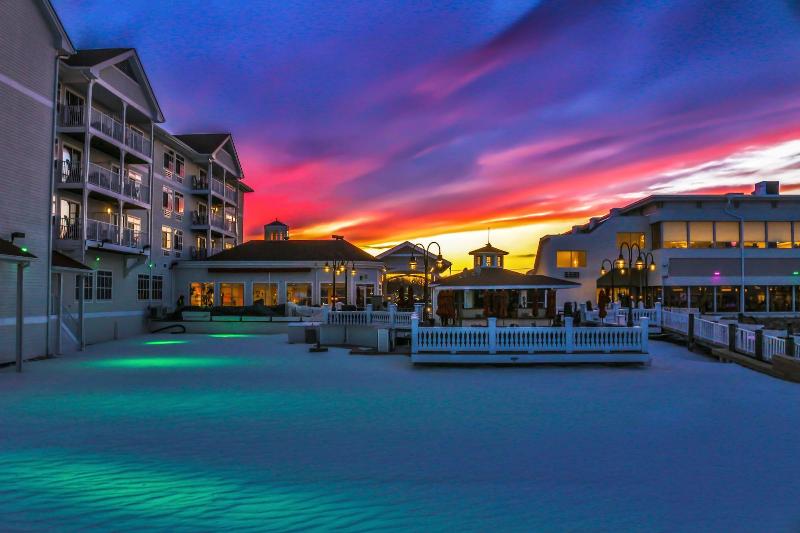
Baía de Chesapeake, VA
R$1,631 / night

Baía de Chesapeake, VA
R$827 / night
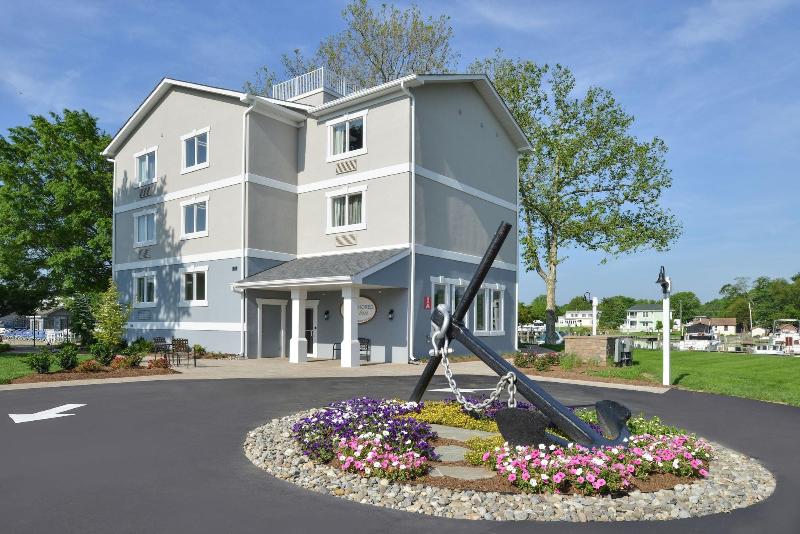
Baía de Chesapeake, VA
R$1,988 / night

Baía de Chesapeake, VA
R$637 / night

Baía de Chesapeake, VA
R$722 / night

Islamorada FL
R$1,764 / night

Newport Notícias
R$879 / night

Newport Notícias
R$783 / night

Norfolk VA
R$1,062 / night

Newport Notícias
R$781 / night
Must-sees, local secrets, experiences, and hotels — filter layers and tap the pins.
Everything you need to know to plan your trip
Get notified when hotel prices in Chesapeake drop. No spam.
We use your email only to send this price alert. Unsubscribe anytime.
Extend your trip to incredible destinations nearby
Still unsure? See side-by-side comparisons to decide.
We personalize every moment of your journey — from iconic landmarks to hidden cultural gems.
Available 24/7 · Personalized consultations · Local expertise
Updated on July 23, 2026 · Methodology · Authors
Sources
Testimonials
Stories from travelers who have already visited. Share your experience — your comment appears in the cards below.
Visiting Chesapeake exceeded all expectations. The energy of the place is contagious!
Yara Bastos
Eco traveler
We traveled as a family and Chesapeake delighted kids and adults alike. Great hotel and attraction picks.
Aline Moura
Traveler from Fortaleza
I arrived without a fixed itinerary and Chesapeake surprised me at every corner. So welcoming.
Daniel Figueiredo
Backpacker
Stayed near downtown and walked everywhere. Chesapeake is even better on foot.
Graziela Pacheco
Repeat visitor


