
Český Krumlov
Krumlov Mill Apartments
R$981 / night

Destination
Discover Český Krumlov! This magical Czech city blends Gothic and Renaissance architecture, a UNESCO World Heritage Site. A tale by the Vltava.
Český Krumlov · Brasil
Photos
Discover the landscapes and culture of Český Krumlov


Editorial guide with history, culture, and practical tips to plan your trip.
Český Krumlov is more than just a destination; it is an immersion into an European fairytale setting, perfectly preserved by time. Located in the Czech Republic, specifically within the administrative district and region of Český Krumlov, this town has established itself as the principal cultural and tourist center of South Bohemia (Jižní Čechy).
With an estimated population of approximately 13,253 residents, the city maintains an intimate charm that contrasts with its international fame. The combination of winding rivers, historical architecture, and natural mountainous scenery gives Český Krumlov a unique profile on the Czech tourist map.
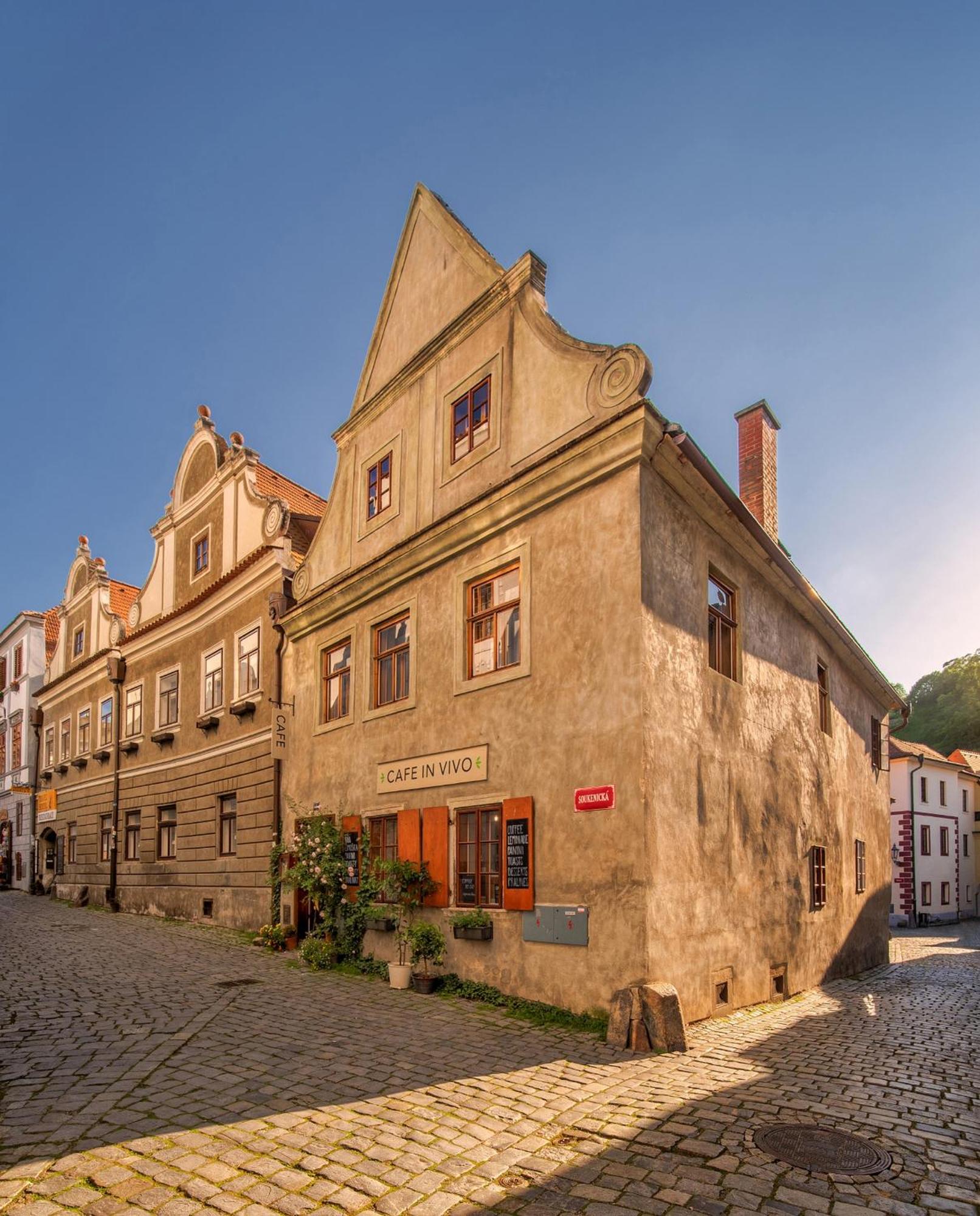
The historic core is world-renowned for the beauty of its edifices, which cover various architectural styles—mainly Gothic and Renaissance. Walking through the medieval streets feels like stepping back in time, living in an environment where every corner tells a story of centuries of tradition.
The rich historical tapestry of Český Krumlov is visible in its monumental structures. The city gained fame over the centuries, with its medieval center declared a Municipal Monument Reserve and recognized by UNESCO as a World Heritage Site. This prestigious title attests to the invaluable worth of the architectural complex that has been carefully preserved.
The architectural features dominating the urban landscape are a living testament to the Renaissance and Gothic eras. The castle, in particular, is not a monolithic construction of a single style; it is a fascinating complex whose various parts were built over time, reflecting the aesthetic and political transformations of the region.
This historical accumulation has not only shaped the urban aesthetics but also cemented Český Krumlov's role as a vital cultural pole for South Bohemia. Local history is intrinsically linked to the human flow that attracted merchants and artisans due to its natural resources and strategic location.
The culture in Český Krumlov is palpable in the air of its alleys and the details of its facades. The city does not merely preserve monuments, but also a way of life deeply connected to traditional arts and the slow rhythm of history. The Vltava River acts as the main cultural artery, shaping both social development and the visual aesthetics of the center.
The historic center is a living showcase of European cultural manifestations. The architecture speaks of master builders and artisans who transformed stone into art, creating an environment rich in Gothic and Renaissance ornamental details. Exploring the city is like visiting an open-air museum.
Beyond the grandeur of its buildings, the regional culture remains alive through local traditions that celebrate both its medieval heritage and its contemporary role as an important meeting point and tourist attraction in the Czech Republic. Local culture is synonymous with preservation, beauty, and memory.
Geographically, Český Krumlov is situated in the administrative municipality bearing its name, within the district of South Bohemia (Jihočeský kraj). Its location positions it approximately 22 km southwest of the larger neighboring city, České Budějovice.
The natural scenery is dramatically influenced by elevation and water courses. The city is nestled beneath the horizon defined by the Blanský forest mountain range. This elevation not only provides a majestic visual backdrop but also contributes to the regional identity of South Bohemia.
The most defining element of its urban geography is the Vltava River. This waterway winds through the center of the city in meandering patterns, drawing and shaping the historic core. The interaction between the constant flow of the river and the structures built around it has created unparalleled urban landscapes, making it an outstanding natural setting.
Due to its location in the heart of South Bohemia, Český Krumlov has a typical temperate continental climate. While specific climatic data is not detailed in factual sources, the region is known for its clearly defined seasons.
Summers tend to be warm and pleasant, ideal for strolling through the streets and enjoying the banks of the Vltava River. However, winters can bring lower temperatures, typical of a continental climate. The climate variations mean that dressing in layers is constant precaution, allowing visitors to enjoy the city year-round.
The tourist appeal of Český Krumlov is vast and multifaceted. The city is not just a historical point of interest; it is recognized as the second most visited destination in the Czech Republic, attracting visitors from all parts of the world.
The main attractions revolve around its preserved medieval center and the imposing castle complex. Tourism here combines cultural exploration—architectural walks through the neighborhoods—with landscape leisure provided by strolling along the Vltava's meanders.
The unique combination of a UNESCO-classified heritage site with well-developed tourist infrastructure ensures that visitors can find everything from charming accommodations to restaurants and shops celebrating local culture. It is the ideal destination for those seeking history, beauty, and a romantic atmosphere.
Several curiosities about Český Krumlov highlight its status as a cultural jewel in the Czech Republic. Firstly, it is notable that the central area of the city was classified as a Municipal Monument Reserve, guaranteeing an extremely high level of protection to its heritage.
Another curious feature is its popularity: the municipality is recognized as the second most frequented tourist center in the country. This fact underlines its cultural and economic importance to the surrounding region.
Daily life in the city, despite the flow of tourists, maintains a rhythm that reflects its historical past. With about 13 thousand inhabitants, the urban core manages to balance the grandeur of the monuments with the intimacy of community life, making Český Krumlov a preserved jewel among European wonders.
Everything you need to know to plan your trip
Reference figures to help plan your trip
Hotels in the area
64
Attractions
7
64 properties · high demand in Český Krumlov this season
156 travelers searched Cesky Krumlov this week
Stays for these dates are among the most sought-after in Cesky Krumlov
Český Krumlov
R$981 / night

Český Krumlov
R$1,790 / night

Český Krumlov
R$1,243 / night

Český Krumlov
R$1,439 / night

Český Krumlov
R$1,175 / night

Český Krumlov
R$999 / night
Český Krumlov
R$1,145 / night

Český Krumlov
R$942 / night

Český Krumlov
R$1,121 / night

Český Krumlov
R$1,590 / night

Český Krumlov
R$935 / night

Český Krumlov
R$1,017 / night
Must-sees, local secrets, experiences, and hotels — filter layers and tap the pins.
Everything you need to know to plan your trip
Get notified when hotel prices in Český Krumlov drop. No spam.
We use your email only to send this price alert. Unsubscribe anytime.
Extend your trip to incredible destinations nearby
Still unsure? See side-by-side comparisons to decide.
We personalize every moment of your journey — from iconic landmarks to hidden cultural gems.
Available 24/7 · Personalized consultations · Local expertise
Updated on July 1, 2026 · Methodology · Authors
Sources
Testimonials
Stories from travelers who have already visited. Share your experience — your comment appears in the cards below.
Visiting Český Krumlov exceeded all expectations. The energy of the place is contagious!
Valéria Nogueira
Family with teens
We traveled as a family and Český Krumlov delighted kids and adults alike. Great hotel and attraction picks.
Zélia Carmo
Traveler from Goiânia
I arrived without a fixed itinerary and Český Krumlov surprised me at every corner. So welcoming.
Bruno Carvalho
Couple from Curitiba
Stayed near downtown and walked everywhere. Český Krumlov is even better on foot.
Elaine Coutinho
Solo traveler


