Buenos Aires
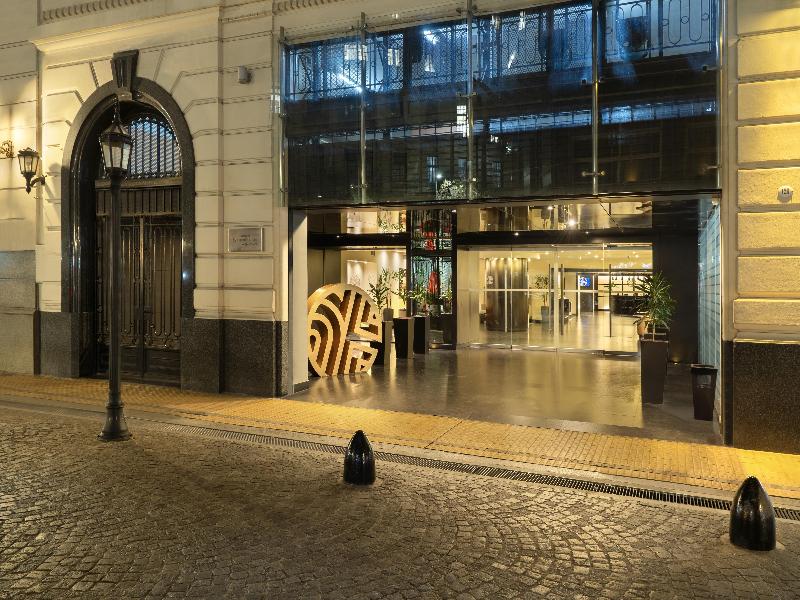
NH Collection Buenos Aires Centro Histórico
R$2,066 / night

Destination
Explore Buenos Aires, the vibrant cultural capital of Argentina. Discover the charm of its historic neighborhoods and the best Latin American experiences.
Buenos Aires · Brasil
Photos
Discover the landscapes and culture of Buenos Aires


Editorial guide with history, culture, and practical tips to plan your trip.
Buenos Aires is much more than just the capital of Argentina; it is a cultural, political, and economic epicenter in Latin America. Officially known as the Autonomous City of Buenos Aires (CABA), this vibrant metropolis stands out for its monumental scale and international relevance. Strategically located in the southwest of the Rio de la Plata region, the city has attracted continuous flows of people, ideas, and cultures from colonial times to the present day.
The title "Autonomous City" underscores its unique status within Argentine territory. Its urban structure is the result of intense development that has shaped one of the largest metropolitan areas, not only in Latin America but globally. The city draws the gaze of travelers and experts for its cultural dynamism and its ability to maintain historical identity while embracing the fast pace of a global metropolis.
While specific historical details are not the focus of this general overview, it is undeniable that Buenos Aires' magnitude and influence speak for themselves. Being recognized as Argentina’s largest city, and one of the most important in Latin America, attests to centuries of development and strategic importance. Its foundation and subsequent growth were catalyzed by its privileged location southwest of the Rio de la Plata.
The trajectory of Buenos Aires reflects a continuous process of urban transformation, adapting to the political and social changes that shaped modern Argentina. This historical depth is not just in its monuments, but in daily life itself—in neighborhoods that hold the slow rhythm of traditions alongside the buzz of modern skyscrapers. It is a living testament to a rich and multifaceted history.
Culturally, Buenos Aires pulses with a unique energy that blends deep European influences—especially Iberian ones—with a vibrant Latin rhythm. Its status as a "global alpha-city," recognized by international rankings like GaWC in 2024, is a direct reflection of this cultural effervescence.
The city offers an extremely rich cultural panorama for visitors. The population, which resides in the metropolitan area of approximately 16.7 million inhabitants, ensures a cultural diversity manifested through its arts, gastronomy, and social traditions. It is a melting pot where colonial charm coexists with contemporary artistic vanguard, making it a must-visit destination for lovers of vibrant culture.
Geographically, Buenos Aires is situated in a privileged location in the southwest of the majestic Rio de la Plata. This fluvial position not only facilitated historical commerce and transport but also defined the urban and commercial structure of the region itself.
In demographic terms, the distinction between the city proper and its metropolitan area is crucial for understanding its impact on the world map. The central area of Buenos Aires has an estimated population of 3.1 million inhabitants. However, when considering the entire metropolitan region—which includes its surroundings and economic activities—the number jumps dramatically to 16.7 million people. This high population index makes it figure as the 21st most populous metropolitan area on the planet, confirming its global demographic and economic magnitude.
Due to the vast amount of factual information available about the city regarding population and classification, the climate focus here is to understand how the environment shapes this large agglomeration. Located southwest of the Rio de la Plata, Buenos Aires enjoys a typically subtropical continental climate.
Climatic variations are part of the city's life cycle and influence its seasonal rhythm. Despite the amplitude of data available regarding population and global development, it is noticeable that the moderate or cooler climate, characteristic of the region, complements the European atmosphere seen in many urban landscapes, becoming a constant backdrop for vibrant social movement.
Buenos Aires' tourist appeal is vast and multifaceted. Its classification as a global alpha-city attracts visitors not only because of its architectural beauties or historic neighborhoods, but also due to its status as a pole of international interest.
Visiting the Argentine capital provides an immersive dive into a complete cultural experience. The combination of strategic location on the Rio de la Plata with the population density reaching 16.7 million in the metropolitan area ensures a constant and diverse tourist flow. Whether for those seeking art museums or traditional dance stages, Buenos Aires delivers a complete travel destination, supported by robust urban infrastructure capable of serving a global audience.
One of the most impressive facts about Buenos Aires is its global ranking of population density and importance. The city not only has 3.1 million inhabitants in its core urban area, but its metropolitan region rivals the largest on the planet, housing 16.7 million people.
This massive scale places it among the 21 most populous metropolitan areas worldwide. Furthermore, recognition as a "global alpha-city" by the GaWC ranking in 2024 is not just a title; it represents Buenos Aires' power and influence on the world stage. It is a nodal point of cultural convergence that few urban centers possess.
Everything you need to know to plan your trip
Reference figures to help plan your trip
Hotels in the area
337
Attractions
9
337 properties · high demand in Buenos Aires this season
236 travelers searched Buenos Aires this week
Stays for these dates are among the most sought-after in Buenos Aires
Buenos Aires
R$2,066 / night

Buenos Aires
R$953 / night

Buenos Aires
R$1,265 / night

Buenos Aires
R$1,331 / night

Buenos Aires
R$1,046 / night

Buenos Aires
R$1,203 / night

Buenos Aires
R$1,069 / night

Buenos Aires
R$945 / night

Buenos Aires
R$1,824 / night

Buenos Aires
R$1,143 / night

Buenos Aires
R$1,178 / night

Buenos Aires
R$1,639 / night
Must-sees, local secrets, experiences, and hotels — filter layers and tap the pins.
Everything you need to know to plan your trip
Get notified when hotel prices in Buenos Aires drop. No spam.
We use your email only to send this price alert. Unsubscribe anytime.
Extend your trip to incredible destinations nearby
Still unsure? See side-by-side comparisons to decide.
We personalize every moment of your journey — from iconic landmarks to hidden cultural gems.
Available 24/7 · Personalized consultations · Local expertise
Updated on July 19, 2026 · Methodology · Authors
Sources
Testimonials
Stories from travelers who have already visited. Share your experience — your comment appears in the cards below.
Visiting Buenos Aires exceeded all expectations. The energy of the place is contagious!
Ingrid Viana
Honeymoon
We traveled as a family and Buenos Aires delighted kids and adults alike. Great hotel and attraction picks.
Leandro Meirelles
Traveler from Porto Alegre
I arrived without a fixed itinerary and Buenos Aires surprised me at every corner. So welcoming.
Olívia Fontes
Traveler from Brasília
Stayed near downtown and walked everywhere. Buenos Aires is even better on foot.
Simone Aragão
Traveler from Salvador


