
Bremen
Boutique Hotel Classico Bremen
R$1,356 / night

Destination
Discover the charming city of Bremen! Dive into German culture, visit historic landmarks, and enjoy a trip through Northwest Germany.
Bremen · Brasil
Photos
Discover the landscapes and culture of Bremen


Editorial guide with history, culture, and practical tips to plan your trip.
Bremen is a historical and cultural gem located in Northwest Germany, presenting a fascinating profile that combines ancient tradition with the dynamism of an important maritime hub. Known as the epicenter of the State of Bremen, this location is not just a geographical point; it is the administrative and civil heart of one of Germany's most unique federal entities.
The most notable aspect of Bremen lies in its intrinsic relationship with the State of Bremen itself. This state alone holds the title of being the smallest of all German federal states. This political and geographical dimension gives the city a central role regarding regional identity and governance.
It is crucial to understand that the State of Bremen consists exclusively of two urban centers: the capital itself, Bremen, where cultural and administrative life pulsates; and Bremerhaven, a distinct port city. The presence of these two cities defines not only the economic geography of the region but also shapes the rhythm of life and commerce throughout the entire area.
The inclusion of Bremerhaven, which functions as an exclave, adds a layer of logistical and historical complexity to the municipality. This physical separation, located at the mouth of the Weser River and on the North Sea, reinforces Bremen's profile as a destination encompassing both established urban life and the dynamism of international port trade.
Bremen's historical narrative is deeply intertwined with its strategic position at the mouth of the Weser River and its direct access to the North Sea. Over the centuries, this location was the engine that drove the city's economic development, transforming it into an important commercial center in Northwest Germany.
Its history is marked by the resilience of a community that adapted to the changing commercial and political landscapes of Northern Europe. Growth was not linear; it was shaped by the relationship between the urban capital and the logistical power of its neighboring port. The administration of this state, being so small compared to other German states, carries a legacy of self-governance and mercantile traditions.
The factor of Bremerhaven is crucial for understanding this historical trajectory. It is not merely an annexed port city; it is an exclave whose maritime existence guaranteed the economic viability of the state. Historically, the port was a nodal point of transnational trade, facilitating the flow of goods and ideas between continental Europe and Atlantic markets.
Thus, the history of Bremen is a tapestry weaving together the life of the capital city—its urban and cultural development—with the pulsating strength of maritime commerce exerted by the port of Bremerhaven. It is a living testament to how sea access defined the destiny and political identity of this small but influential German state.
The culture in Bremen is a rich fusion of mercantile, academic, and maritime influences. Given its historical vocation for international trade and its status as the capital of an autonomous state, the city has developed a cultural environment that values both traditional art and global interaction.
Cultural life is palpable in the historic structures of the eponymous capital. Architectural traditions reflect centuries of wealth generated by river and sea trade. While the focus is not merely on historical display, there is a deep appreciation for maintaining heritage that tells the story of its inhabitants.
Culture also manifests through the unique synergy between the two main urban centers: Bremen and Bremerhaven. While the capital tends to concentrate the more classical cultural core, the port of Bremerhaven contributes with a culture tied to immigration, the sea, and products brought in by global maritime routes. This exchange enriches the local artistic scene.
The concept of the "State of Bremen" is not just administrative; it carries a strong regionalist cultural sentiment. The Bremen identity is linked to the idea of autonomy and the deep bond with its geography in Northwest Germany, making the state a compact and cohesive cultural entity.
Geometrically, Bremen is situated in a privileged position in Northwest Germany. Its location allows for multifaceted access to waterways and sea routes, which was decisive for its prosperity throughout the centuries.
The most distinctive element of its geographical context is the relationship between its two urban centers. The capital, Bremen, is intrinsically linked to the neighboring port dynamics of Bremerhaven. The State of Bremen encompasses these two hubs and a stretch of coast connecting to the mouth of the powerful Weser River.
Bremerhaven is not part of Bremen in a contiguous sense; it functions as an exclave. This unique geographical configuration means that the state is divided by water, but economically integrated by the flow of people and goods. The exact location of this exclave, situated at the mouth of the Weser, places it directly under the influence of the North Sea.
This arrangement—the urban capital (Bremen) on one side and the maritime port center (Bremerhaven) on the other—creates a geographical landscape of contrasts: the more traditional life of the historic city versus the logistical and industrial modernity of the port. This dichotomy defines the spatial identity of Northwest Germany.
Located in the North Sea region, Bremen has a characteristically maritime climate, typical of many northern European port cities. This climate moderates temperature extremes compared to inland or continental regions.
The climate regime usually features mild winters and gentle summers. The constant influence of the North Sea acts as a thermal regulator, mitigating both intense cold and excess heat, resulting in more gradual seasonal variations throughout the year.
Seasons are well-defined: it is common to expect rain distributed throughout various times of the year, without the extreme concentration that can occur in other climate types. The proximity to the sea guarantees frequent winds, an element that has always been part of the life and commerce of Bremerhaven.
In practical terms for the traveler, dressing in layers and being prepared for weather variations is a basic rule. The maritime climate lends the landscape a visual constantly influenced by water—be it the mouth of the Weser or the vast North Sea—painting a picture of colors and elements that reflect this oceanic proximity.
Tourism in Bremen is a multifaceted experience, capable of pleasing everyone from the cultural traveler interested in medieval history to the adventurer seeking the maritime energy of major ports. The tourist attraction lies in the city's ability to blend preserved historical heritage with modern infrastructure.
In the capital of Bremen, visitors are drawn to exploring medieval streets and historic buildings. There is a focus on cultural tourism, allowing immersion in the atmosphere of a city that has maintained its mercantile traditions over the centuries.
A visit to Bremerhaven offers a different type of tourist experience: port and maritime tourism. It is possible to observe the operation of one of the most important logistics points on the North Sea. For lovers of nautical history, the port and its surroundings are a vast field of discoveries regarding trade routes and navigation methods.
The experience in Bremen is therefore a journey between two worlds: the slower, contemplative pace of the historic center evoking tradition, and the frantic dynamism of the modern port representing global trade. By offering this geographical duality—the capital and the port exclave—the State of Bremen guarantees a diversified itinerary extremely rich in contrasts.
One of the most notable curiosities about Bremen is its unique political organization. As the smallest of German federal states, it concentrates a history of autonomy worthy of highlighting in regional studies.
The fact that the State of Bremen consists only of the eponymous capital and the port exclave of Bremerhaven is a fascinating geographical detail. This composition not only simplifies its political administration but also defines its economic focus almost exclusively on two areas: historical urban life and global maritime trade.
Bremerhaven's status as an exclave, situated at the mouth of the powerful Weser River and bathed by the North Sea, gives the region unparalleled logistical dynamism. This strategic location means that Bremen is constantly influenced by sea and river currents, shaping both its commerce and its architecture.
Furthermore, the intrinsic relationship between the two hubs (Bremen and Bremerhaven) is a travel peculiarity: the visitor must be aware that they are exploring two distinct entities, but which are culturally and economically united under the umbrella of the State of Bremen. This unique coexistence elevates Bremen's profile to one of fascinating contrasts.
Everything you need to know to plan your trip
Best time to visit
Spring and Autumn
Currency
Euro
Language
German
Recommended stay
3 days
Timezone
CEST/CET
Reference figures to help plan your trip
Hotels in the area
58
Attractions
9
58 properties · high demand in Bremen this season
56 travelers searched Bremen this week
Stays for these dates are among the most sought-after in Bremen
Bremen
R$1,356 / night

Bremen
R$1,462 / night

Bremen
R$1,567 / night

Bremen
R$1,245 / night
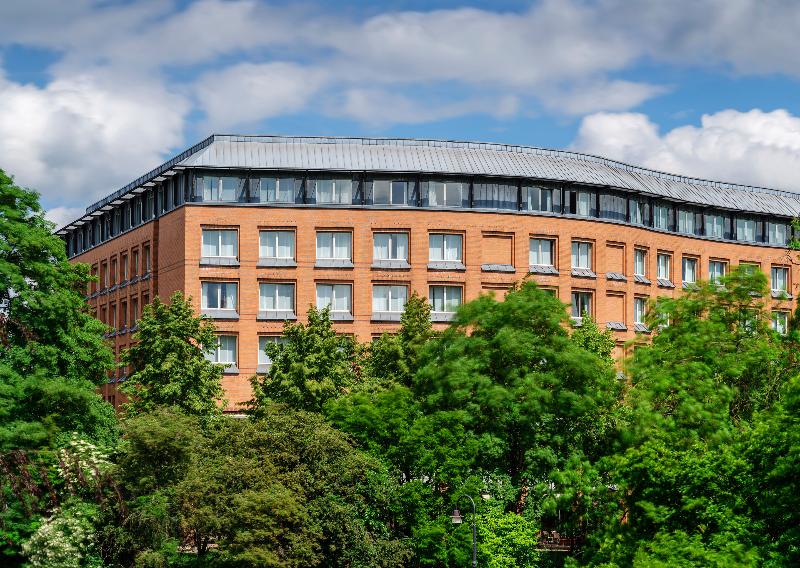
Bremen
R$943 / night

Bremen
R$1,346 / night

Bremen
R$1,008 / night
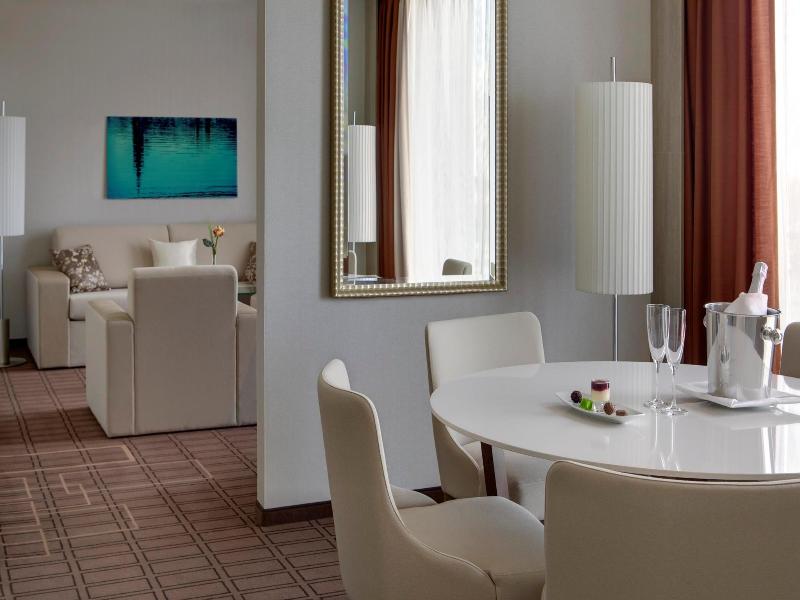
Bremen
R$1,343 / night
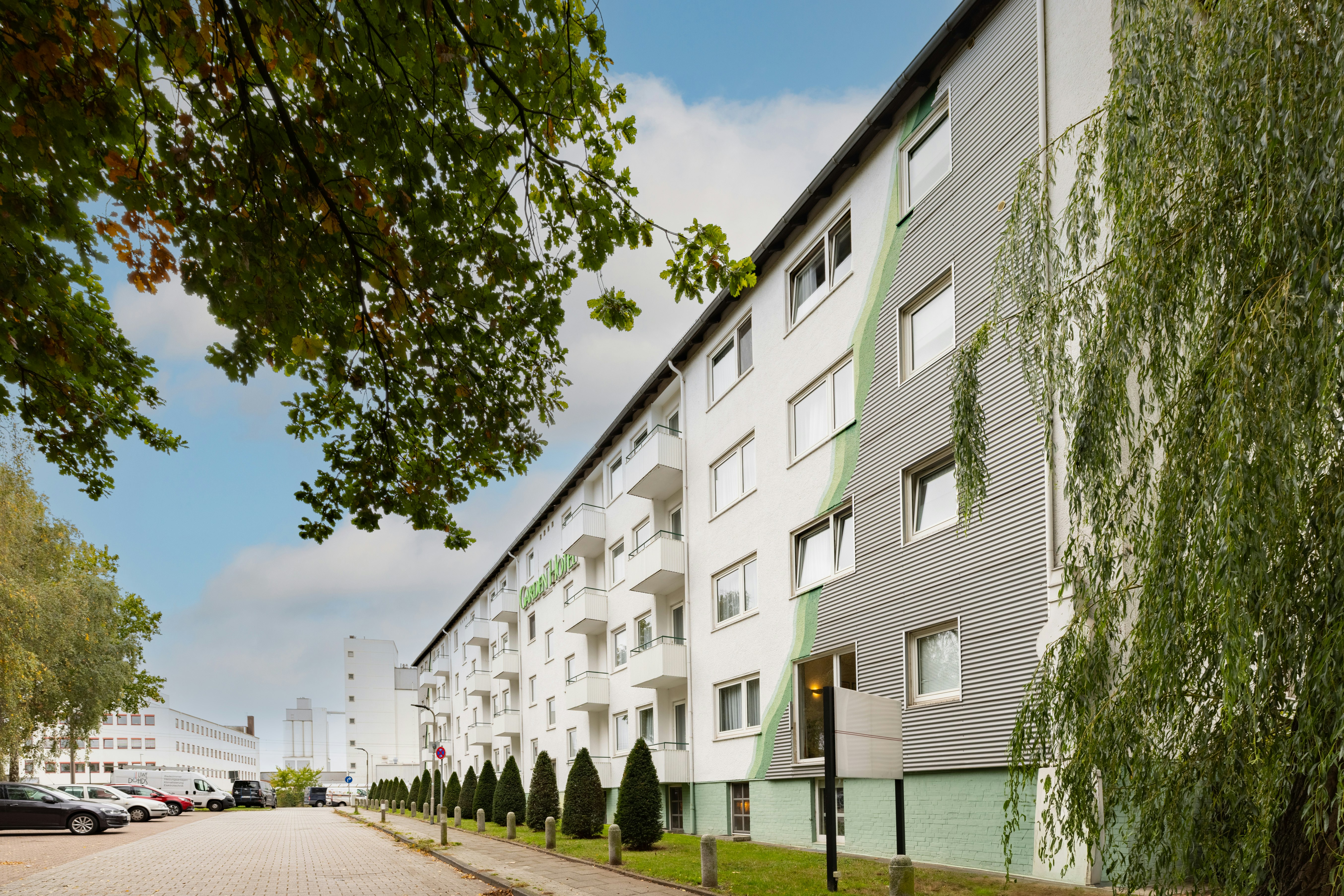
Bremen
R$1,357 / night

Bremen
R$1,565 / night

Bremen
R$1,126 / night
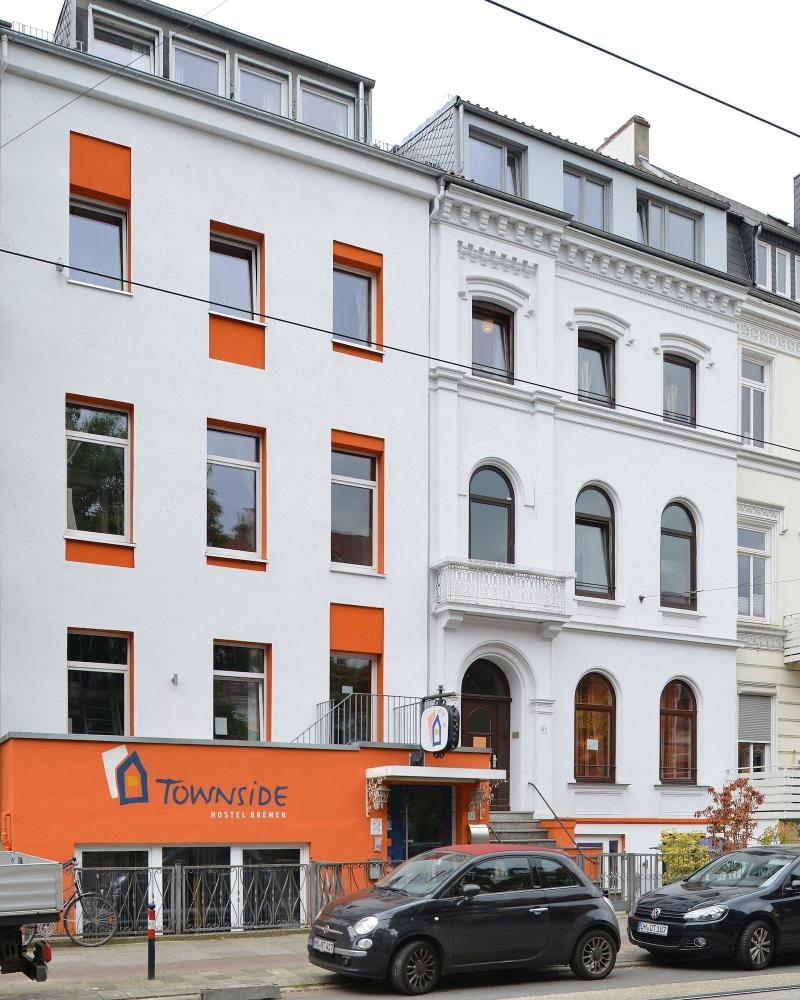
Bremen
R$1,670 / night
Must-sees, local secrets, experiences, and hotels — filter layers and tap the pins.
Everything you need to know to plan your trip
Get notified when hotel prices in Bremen drop. No spam.
We use your email only to send this price alert. Unsubscribe anytime.
Extend your trip to incredible destinations nearby
Still unsure? See side-by-side comparisons to decide.
We personalize every moment of your journey — from iconic landmarks to hidden cultural gems.
Available 24/7 · Personalized consultations · Local expertise
Updated on July 23, 2026 · Methodology · Authors
Sources
Testimonials
Stories from travelers who have already visited. Share your experience — your comment appears in the cards below.
Visiting Bremen exceeded all expectations. The energy of the place is contagious!
Rafael Santoro
Photographer
We traveled as a family and Bremen delighted kids and adults alike. Great hotel and attraction picks.
Valéria Nogueira
Family with teens
I arrived without a fixed itinerary and Bremen surprised me at every corner. So welcoming.
Zélia Carmo
Traveler from Goiânia
Stayed near downtown and walked everywhere. Bremen is even better on foot.
Bruno Carvalho
Couple from Curitiba