
Blackburn
Mercure Blackburn Dunkenhalgh Hotel & Spa
R$927 / night

Destination
Explore Blackburn! Discover the rich cultural history and charm of this English town. Explore attractions, local gastronomy, and sporting legacy.
Blackburn · Brasil
Photos
Discover the landscapes and culture of Blackburn


Editorial guide with history, culture, and practical tips to plan your trip.
Blackburn is a British city whose roots and modern identity are deeply intertwined with the fervor of football. While it offers an experience of life in a traditional English community, above all, it is a sporting epicenter, personified by Blackburn Rovers Football Club. The club is not merely a local institution; it represents an entire chapter of the region's social and cultural history. The club's journey, from its formal founding in 1875, tells the saga of the evolution of English sport and fan devotion.
When visiting the town, one discovers more than just a geographic location; one is immersed in the rich narrative of a pioneering club. The importance of Rovers goes beyond field results. It has shaped community life over decades, from its beginnings as a founding member of the Football League in 1888 to recent titles that have kept the name shining on the national stage. The history of the club is a mirror of the evolution of English football itself, passing through different golden eras and reaffirming its relevance today, competing in the EFL Championship, which is equivalent to the second national division.
The genesis of Blackburn Rovers Football Club dates back to 1875. This period marked the birth of a sporting powerhouse that would quickly establish itself in the British football landscape. The foundation was not an isolated event; it was part of a growing movement towards institutionalization and professionalization of sports in Victorian England.
The club's growth was meteoric, consolidating it as a major force already in 1888, when it became one of the crucial founding members of the Football League. This historical recognition not only secured its place in the pantheon of elite clubs but also spurred the development of local sporting infrastructure. In 1890, history continued to advance with the move to Ewood Park, which would become its own stadium and an architectural landmark in the city's memory.
The period before the 1930s is often cited as the golden age for the team. It was during this interval that Blackburn Rovers achieved numerous notable triumphs, winning important titles in both the League and the FA Cup on several occasions. This golden era established an impressive legacy and a winning tradition that resonates to this day.
More recently, the club's history has also recorded significant peaks. The best contemporary results include the English title achieved in the 1994/1995 season, as well as an impressive runner-up position during the 1993/1994 campaign, and the League Cup win in 2002. Despite the natural fluctuations of any sporting institution, its glorious past and modern achievements continue to solidify its rich historical narrative.
Local culture in Blackburn is inseparable from sport. Football transcends mere pastime; it is rooted in the social fabric of the community, shaping traditions and passions passed down through generations. For local residents, following Blackburn Rovers is not just a recreational interest, but an integral part of their cultural identity.
The culture of supporting the team manifests in festivals, gatherings in the streets before matches, and reverence for the club's history. Narratives of past successes—especially the dominance before 1930—keep alive the collective memory of a time of unmatched glory.
This cultural devotion is maintained, even in a more competitive context, with the team currently competing in the EFL Championship. This ensures that the enthusiasm and passion of the fans remain high, making Blackburn's sporting culture vibrant, passionate, and resilient. The passion for Rovers defines much of the local community spirit.
Located in an emblematic region of England, Blackburn's geography serves as a backdrop to its rich human and sporting history. Although the provided facts do not detail the town's topographical features, it is undeniable that geographic space was fundamental to the development of the club and local traditions.
The very existence of stadiums, such as Ewood Park, in its historical location since 1890, attests to the strategic importance of the site for concentrating sporting life. The population growth and industrial development that sustained the team's birth in 1875 were directly linked to its geographic environment.
The urban structure was shaped by the needs of the sporting community, creating a vibrant center where the events and history of Blackburn Rovers flourish. It is a geography marked by an industrial legacy that allowed for the emergence of such a passionate and loyal fanbase. The physical landscape is a silent witness to the victorious chapters—from the League and FA Cup before the 1930s, to the most recent achievements.
As there is no detailed climate information in the factual data, we can only infer that the local climate follows the rhythm of British seasons. Seasonal changes influence routine and, consequently, the passion for outdoor sporting experiences.
During the match months of the season, whether at the height of ancient triumphs or current EFL Championship struggles, the climate is a factor that complements the intense atmosphere of fandom. Weather conditions are part of the total experience for those seeking to feel the city's pulse around its greatest cultural symbol.
Regardless of climatic variations, the community spirit and memory of sporting moments remain constant. The climate is merely a secondary element compared to the historical resilience of Blackburn Rovers Football Club, which remains relevant through decades of success and dedication to football.
For the tourist interested in a unique cultural experience deeply rooted in sport, Blackburn offers a fascinating itinerary. The main attraction is not just a monument or natural landscape, but the vibrant history of the club itself that defines the city.
Visiting Ewood Park means diving into the atmosphere of over 130 years of sporting history. It is possible to trace the timeline of Blackburn Rovers' greatness, from its beginning in 1875 and its rapid ascent until establishing itself in the Football League in 1888. Tourists are invited to participate in or follow the ritual of a match day in the EFL Championship.
Beyond stadium visits, it is possible to explore the narratives of major historical moments. Memories of the golden era before the 1930s, alongside recent milestones like the 1994/1995 English title and the 2002 League Cup, offer focal points for those who wish to understand the social and sporting impact the club had on the community.
Tourism in Blackburn is therefore a cultural deep dive: a journey through the beating heart of English football. It is an experience that requires an interest in the passion and resilience of a sporting institution that continues to challenge the limits of national competition.
The Blackburn Rovers Football Club is more than just a team; it is a sports time capsule. A notable fact is its start in 1875 and subsequent integration into the Football League, which demonstrates how quickly it established itself as a dominant force in the British football scene.
Curiously, the club's trajectory of success can be divided into distinct eras. There is the initial period, marked by significant achievements until the 1930s, when they were multiple winners of the League and FA Cup. In contrast, there are more recent successes that brought global attention to Blackburn, such as the English title achieved in the 1994/1995 season.
Another interesting detail is the physical milestone of its development: the move to Ewood Park in 1890. This stadium became a symbol of permanence and growth, accompanying generations of players, fans, and successes. Even today, competing in the EFL Championship—a level equivalent to the second national division—the club continues to honor this long and rich history.
In summary, Blackburn is a city where numbers, dates (1875, 1890, 1930s), and trophies (FA Cup, League, 2002 League Cup) tell the most fascinating story: the persistence of passion for football that defines the community.
Everything you need to know to plan your trip
Reference figures to help plan your trip
Hotels in the area
15
Attractions
9
15 properties · high demand in Blackburn this season
185 travelers searched Blackburn this week
Stays for these dates are among the most sought-after in Blackburn
Blackburn
R$927 / night
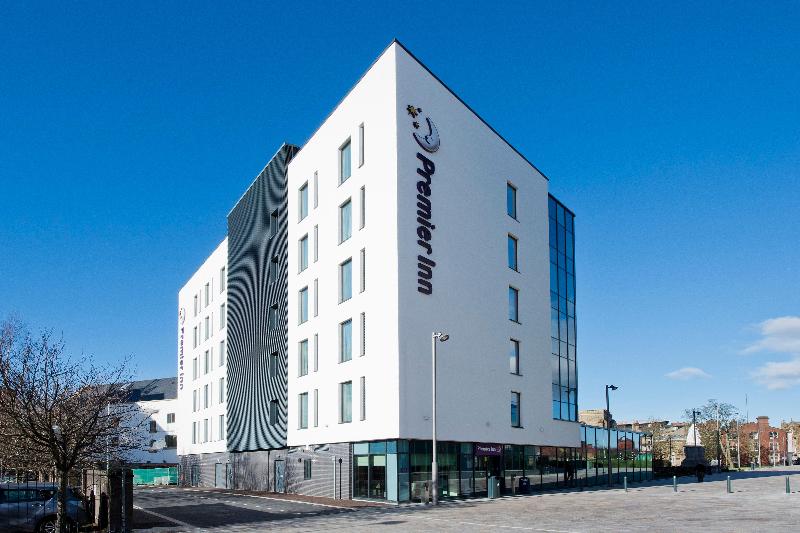
Blackburn
R$1,130 / night
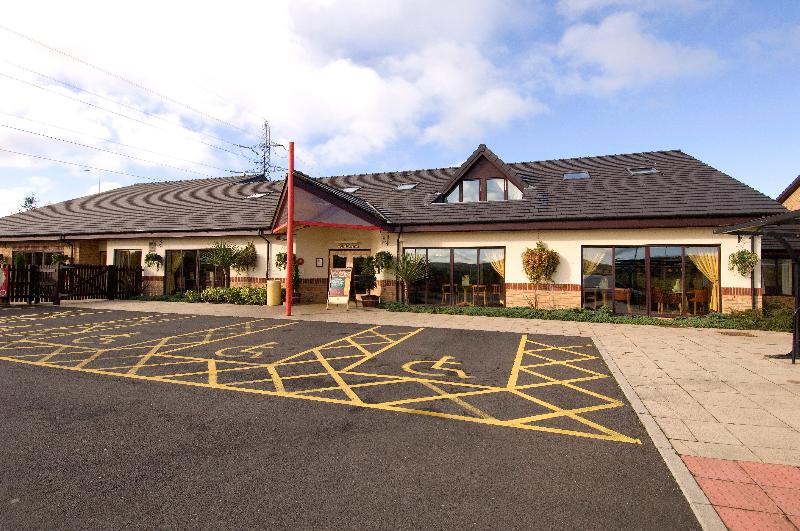
Blackburn
R$830 / night

Blackburn
R$1,210 / night

Blackburn
R$1,334 / night
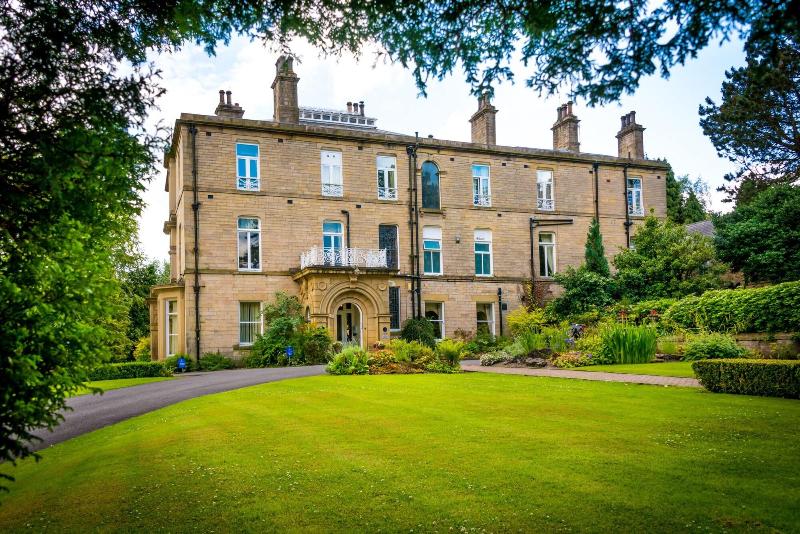
Blackburn
R$638 / night
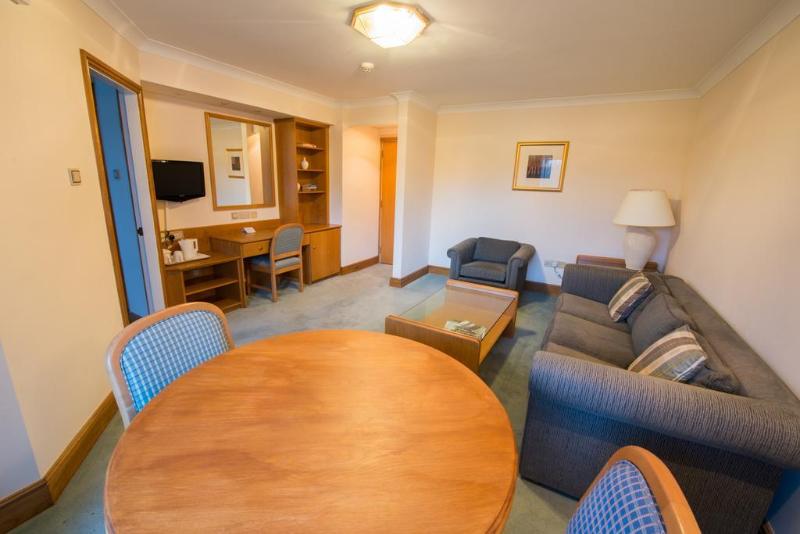
Blackburn
R$947 / night

Blackburn
R$991 / night

Blackburn
R$997 / night
Blackburn
R$619 / night
Must-sees, local secrets, experiences, and hotels — filter layers and tap the pins.
Everything you need to know to plan your trip
Get notified when hotel prices in Blackburn drop. No spam.
We use your email only to send this price alert. Unsubscribe anytime.
Extend your trip to incredible destinations nearby
We personalize every moment of your journey — from iconic landmarks to hidden cultural gems.
Available 24/7 · Personalized consultations · Local expertise
Updated on July 22, 2026 · Methodology · Authors
Sources
Testimonials
Stories from travelers who have already visited. Share your experience — your comment appears in the cards below.
Visiting Blackburn exceeded all expectations. The energy of the place is contagious!
João Victor
Traveler from Recife
We traveled as a family and Blackburn delighted kids and adults alike. Great hotel and attraction picks.
Monique Barbosa
Food enthusiast
I arrived without a fixed itinerary and Blackburn surprised me at every corner. So welcoming.
Priscila Gomes
Friend group
Stayed near downtown and walked everywhere. Blackburn is even better on foot.
Tiago Bueno
Traveler from Campinas


