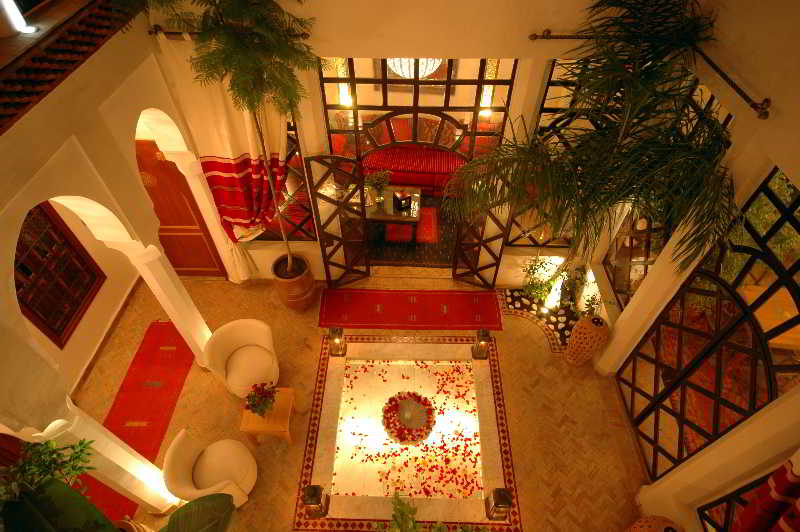
Marrakech
Riad Anais
R$721 / night

Destination
Discover the charm of Atais! Plan your trip and explore incredible attractions. Learn how to get there and fall for this unique Brazilian destination.
Atais · Brasil
Photos
Discover the landscapes and culture of Atais


Editorial guide with history, culture, and practical tips to plan your trip.
Atais is a municipality that stands out due to its location and unexplored potential in the Amazonian region. Although it is a destination constantly being rediscovered, Atais' charm lies precisely in its authenticity and the experience of immersing oneself in the tranquil rhythm of river life (ribeirinho). The city functions as a portal to the rich biodiversity surrounding its urban limits, offering visitors a deep immersion into the traditions and landscapes of inland Brazil.
Local administration is committed to preserving the delicate balance between sustainable development and the maintenance of traditional riverside culture. When visiting Atais, the traveler is not just a tourist, but a participant in the living history of this community. The infrastructure is prepared to receive visitors seeking a more genuine and less rushed experience, valuing direct contact with exuberant nature.
The people of Atais welcome visitors with the characteristic warmth and hospitality typical of Northern Brazil. It is a place where routines pause to the beat of the rivers, creating a perfect setting for those who want to disconnect from urban hustle and reconnect with nature in its purest state.
Historical vestiges of Atais date back to pre-colonial times. The region was inhabited by indigenous groups whose lives were intrinsically linked to the cycles of the rivers, utilizing natural resources and mastering the art of river navigation. These peoples left a deep cultural legacy that still permeates daily life today.
Over time, the presence of colonizers brought new economic dynamics to the area. Development occurred gradually, driven by trade and fluvial routes that cut through the territory. The history of Atais is a mosaic that mixes millennia-old indigenous influences with the cultural heritage brought by subsequent generations of migrants and workers in extraction and agriculture.
Today, the historical narrative of the city emphasizes the resilience of its population. Through its festivals, legends told around campfires, and accounts from elders, it is possible to trace a fascinating panorama of how Atais consolidated itself as an important cultural meeting point in the hydrographic basin that defines it.
Atais' culture is vibrant and multifaceted, being a melting pot of Amazonian traditions. The rhythm of local life is dictated by the sounds of the rivers and popular artistic expressions. Music, in particular, plays a central role in cultural identity, mixing regional rhythms with traditional melodies.
Religious and folklore festivals are unmissable events. They are moments of great communion where families gather to celebrate faith and harvests. The vibrant colors of clothing, local handicrafts depicting riverside daily life, and the unique flavors of regional cuisine compose an authentic cultural spectacle.
The ancestral knowledge of residents regarding medicinal plants and eating habits is passed down from generation to generation. This ancient wisdom not only sustains the community but also enriches the experience of the visitor venturing through its markets and fairs.
Located in a privileged ecological transition region, Atais' geography is marked by the synergy between the urban environment and natural ecosystems. The municipality is embraced by the strong influence of rivers, which are the main lifeblood and transport arteries. This characteristic defines not only its way of life but also its economy.
The terrain is predominantly flat or gently rolling, typical of the Amazonian floodplains (várzeas). This favorable topography facilitates fluvial development, making the rivers the backbone of transport and commerce. The landscape is a spectacle of biodiversity, where dense forests meet calm riverbanks.
The surrounding area offers an impressive geomorphological variety, from small creeks (igarapés) that cross the city to vast stretches of primary forest. This natural wealth not only guarantees the sustenance of the local population through fishing and extraction but also attracts ecotourists seeking pristine landscapes.
Atais' climate is typically equatorial, characterized by being hot and humid for most of the year. This rainy season contributes to the vigor of the forest and ensures an abundant water cycle in the rivers that sustain life in the region.
Temperature variation is usually not drastic, maintaining a high average throughout the months. Nights may feature moments of coolness provided by the constant breeze coming from the waterways. It is essential for visitors to prepare for high humidity, using lightweight and appropriate clothing.
The dry season, although present, is generally marked by river levels that allow access to more remote areas. Regardless of the time of year, Atais offers exuberant landscapes and tropical vivacity. The climatic seasonality dictates the rhythm of riverside activities, making every visit a unique sensory experience.
Tourism in Atais is intrinsically linked to ecotourism and cultural experience tourism. It is not a destination with large resorts, but rather an invitation for those seeking authentic contact with Amazonian nature and its traditional communities.
The main tourist attractions include boat trips along the rivers, allowing observation of wildlife—river dolphins, rare birds, and aquatic mammals. Ecological trails and nearby natural reserves offer opportunities to spot lush flora.
Beyond the landscapes, cultural immersion is a major draw. Visitors can participate in local handicraft workshops, learn about forest medicinal knowledge (ethnobotany), and savor typical dishes prepared with exclusive Amazonian ingredients. Atais is the ideal destination for travelers who value responsible and sustainable tourism.
One of Atais' particularities is its historical connection to past trade routes, making it a strategic vital point in the river basin. This geographical position ensured the permanence of a rich culture adaptable to the liquid environment.
Many visitors are amazed by the savoir-faire of the riverside communities. The artisanal talent in creating useful objects from natural materials, such as vegetal fibers and local seeds, is notable. This craft is not just decoration; it tells stories of survival and Amazonian daily life.
Local gastronomy also deserves mention for its unique culinary curiosities. The intensive use of regional ingredients, such as tucupi (yellow broth extracted from wild cassava), fresh river fish, and native fruits, gives Atais' cuisine a unique profile on the national flavor map. Knowing the local gastronomy is understanding the very soul of the region.
Everything you need to know to plan your trip
Reference figures to help plan your trip
Attractions
9
Selected stays available to book
168 travelers searched Atais this week
Stays for these dates are among the most sought-after in Atais
Must-sees, local secrets, experiences, and hotels — filter layers and tap the pins.
Everything you need to know to plan your trip
Get notified when hotel prices in Atais drop. No spam.
We use your email only to send this price alert. Unsubscribe anytime.
Extend your trip to incredible destinations nearby
We personalize every moment of your journey — from iconic landmarks to hidden cultural gems.
Available 24/7 · Personalized consultations · Local expertise
Updated on July 22, 2026 · Methodology · Authors
Sources
Testimonials
Stories from travelers who have already visited. Share your experience — your comment appears in the cards below.
Visiting Atais exceeded all expectations. The energy of the place is contagious!
Hugo Santana
Local from Belo Horizonte
We traveled as a family and Atais delighted kids and adults alike. Great hotel and attraction picks.
Karen Abreu
Trip planner
I arrived without a fixed itinerary and Atais surprised me at every corner. So welcoming.
Nelson Duarte
Retired couple
Stayed near downtown and walked everywhere. Atais is even better on foot.
Rafael Santoro
Photographer